Duty Free Meaning: Understanding Tax-Free Shopping for Travelers
Have you ever walked through an airport and noticed shops selling goods labeled as ‘duty-free’? The term ‘duty free meaning‘ often pops up in the minds of travelers, but understanding what it truly entails can be quite beneficial. This article aims to provide a comprehensive overview of duty free meaning, its benefits, where you can find it, and some essential considerations for shoppers.
What is Duty Free? Exploring the Duty Free Meaning
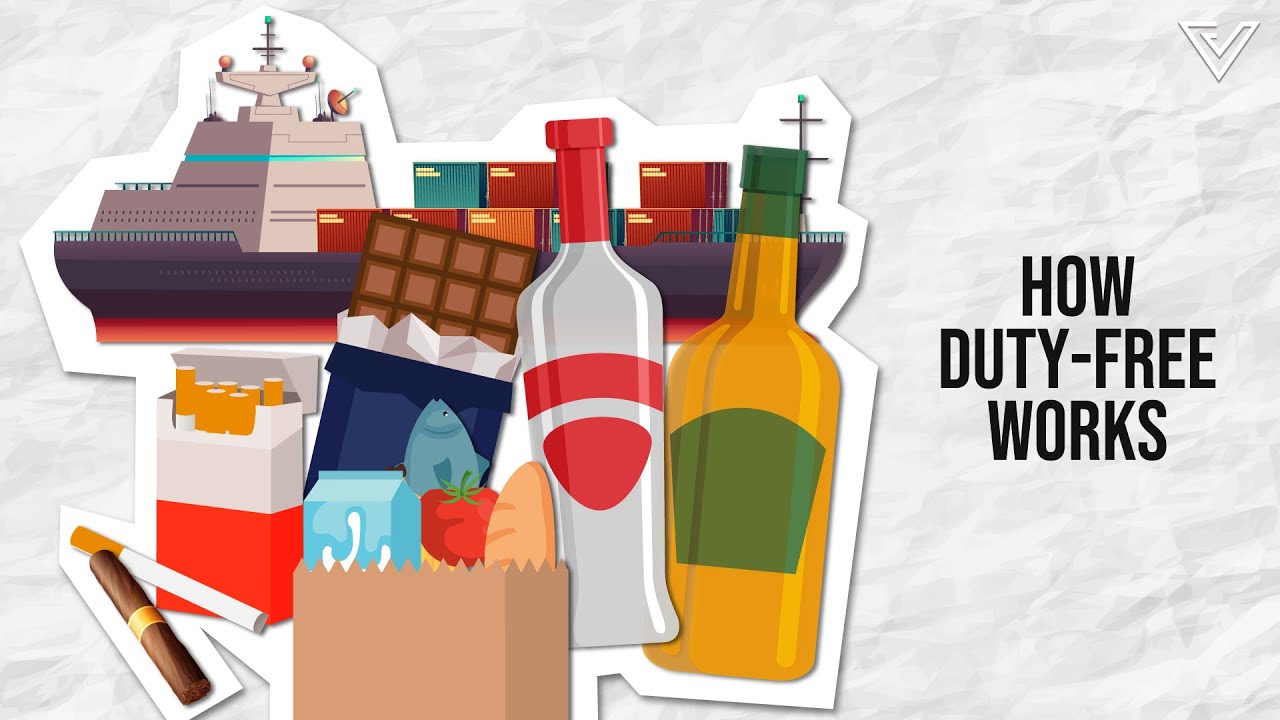
At its core, duty free refers to goods that are exempt from the payment of certain national or local taxes and duties. These taxes can include import duties, excise taxes, and value-added tax (VAT). The duty free meaning becomes clearer when you realize it’s essentially a system designed to allow travelers to purchase items without incurring these taxes, typically when crossing international borders. The rationale behind duty free is to boost international travel and tourism by offering travelers attractive savings on various products.
The concept of duty free is not new. It has been around for decades, evolving from simple shops at ports to sophisticated retail environments in airports and other travel hubs. Understanding the duty free meaning helps travelers make informed decisions and take advantage of potential savings while adhering to customs regulations.
The Benefits of Duty Free Shopping
The primary benefit of duty free shopping is, of course, the potential cost savings. By avoiding taxes and duties, travelers can often purchase items at significantly lower prices than they would pay in their home country. This is especially true for goods that are heavily taxed, such as alcohol, tobacco, and luxury items like perfumes and cosmetics.
- Cost Savings: This is the most obvious advantage. Depending on the tax rates in your home country, you could save a substantial amount on certain items.
- Exclusive Products: Some duty free shops offer products that are not available elsewhere. This could include limited-edition items or products specifically packaged for the travel retail market.
- Convenience: Duty free shops are conveniently located in airports, seaports, and border crossings, making it easy for travelers to make purchases while on the move.
- Quality Assurance: Products sold in duty free shops are generally of high quality, as these establishments are keen to maintain a good reputation and attract repeat customers.
However, it’s essential to remember that the actual savings can vary depending on the specific product, the location of the duty free shop, and the tax rates in your home country. Always compare prices to ensure you’re getting a good deal. [See also: Comparing Duty Free Prices]
Where Can You Find Duty Free Shops?
Duty free shops are most commonly found in international airports. They are typically located in the departure areas, after you have passed through security and immigration. This ensures that only travelers who are leaving the country can make purchases.
You can also find duty free shops at:
- Seaports: Similar to airports, seaports that handle international passenger traffic often have duty free shops.
- Border Crossings: Land border crossings between countries may also feature duty free shops, although these are less common than those at airports and seaports.
- Onboard Ferries and Cruise Ships: Many ferries and cruise ships that operate international routes have duty free shops onboard.
When shopping at a duty free shop, you will typically need to show your boarding pass or passport to prove that you are traveling internationally. This is to ensure that you are eligible to make duty free purchases.
Popular Items to Buy Duty Free
While the specific items available can vary depending on the location and the shop, some of the most popular items to buy duty free include:
- Alcohol: Spirits, wine, and beer are often significantly cheaper in duty free shops due to the high taxes on alcohol in many countries.
- Tobacco: Cigarettes, cigars, and other tobacco products are also popular duty free purchases.
- Perfumes and Cosmetics: Luxury perfumes, makeup, and skincare products are frequently discounted in duty free shops.
- Luxury Goods: Watches, jewelry, and designer accessories can offer substantial savings when purchased duty free.
- Confectionery: Chocolate, sweets, and other confectionery items are often available at lower prices.
Keep in mind that there may be restrictions on the quantity of certain items that you can bring into your destination country. Always check the customs regulations of your destination before making a purchase. [See also: Customs Regulations for Duty Free Purchases]
Things to Consider Before Buying Duty Free
Before you start filling your shopping basket with duty free goodies, there are several important factors to consider:
- Customs Regulations: Each country has its own customs regulations regarding the quantity and value of goods that travelers can bring into the country without paying duty. Exceeding these limits can result in fines or confiscation of the goods.
- Price Comparison: Don’t assume that everything in a duty free shop is cheaper. Compare prices with those at home to ensure you’re actually getting a good deal. Sometimes, special offers and discounts in your home country can make local purchases more attractive.
- Allowance Limits: Be aware of your duty free allowance. This is the maximum value of goods that you can bring into your destination country without paying duty.
- Liquid Restrictions: If you’re purchasing liquids in a duty free shop, be aware of the restrictions on carrying liquids through airport security. Liquids purchased duty free are usually sealed in a special bag with the receipt visible inside. Do not open the bag until you reach your final destination.
- Currency Exchange Rates: Pay attention to the currency exchange rates if you’re paying in a currency other than the local currency. The exchange rate offered by the duty free shop may not be the most favorable.
Duty Free Meaning and the Future of Travel Retail
The duty free meaning continues to evolve alongside the changing landscape of international travel and retail. With the rise of e-commerce and online shopping, duty free shops are facing increasing competition. However, they continue to offer a unique shopping experience that combines convenience, potential savings, and exclusive products.
To remain competitive, duty free operators are investing in improving the customer experience, offering personalized services, and expanding their product ranges. They are also exploring new technologies, such as digital signage and mobile apps, to enhance the shopping experience.
The future of duty free is likely to be shaped by factors such as:
- Changes in Customs Regulations: Any changes to customs regulations or duty free allowances could have a significant impact on the industry.
- Economic Conditions: Economic downturns can lead to a decrease in international travel, which can affect duty free sales.
- Technological Advancements: New technologies could transform the duty free shopping experience, making it more convenient and personalized.
- Competition from Online Retailers: Duty free shops need to find ways to differentiate themselves from online retailers and offer unique value to customers.
Conclusion: Maximizing Your Duty Free Experience
Understanding the duty free meaning is essential for any international traveler looking to make the most of their shopping opportunities. By knowing the benefits, where to find duty free shops, and the factors to consider before making a purchase, you can potentially save money and acquire unique items. Always remember to check customs regulations and compare prices to ensure you’re getting the best possible deal. So, the next time you’re at an airport or seaport, take a stroll through the duty free shops and see what treasures you can find, but do so with informed awareness!
