Duty-Free Meaning: Unveiling the World of Tax-Exempt Shopping
Have you ever walked through an airport and seen those alluring duty-free shops, promising savings on everything from liquor to luxury goods? The allure of discounted prices can be strong, but what exactly does “duty-free” mean? This article will delve into the duty-free meaning, exploring the concept, its benefits, and the intricacies of this unique shopping experience. We’ll uncover the details behind tax-exempt purchases, shedding light on who can benefit and how it all works. Understanding the duty-free meaning is key to making informed decisions when traveling internationally and potentially saving money on your favorite items. This guide aims to provide a clear and comprehensive overview, ensuring you’re well-equipped to navigate the world of duty-free shopping.
Understanding the Core Duty-Free Meaning
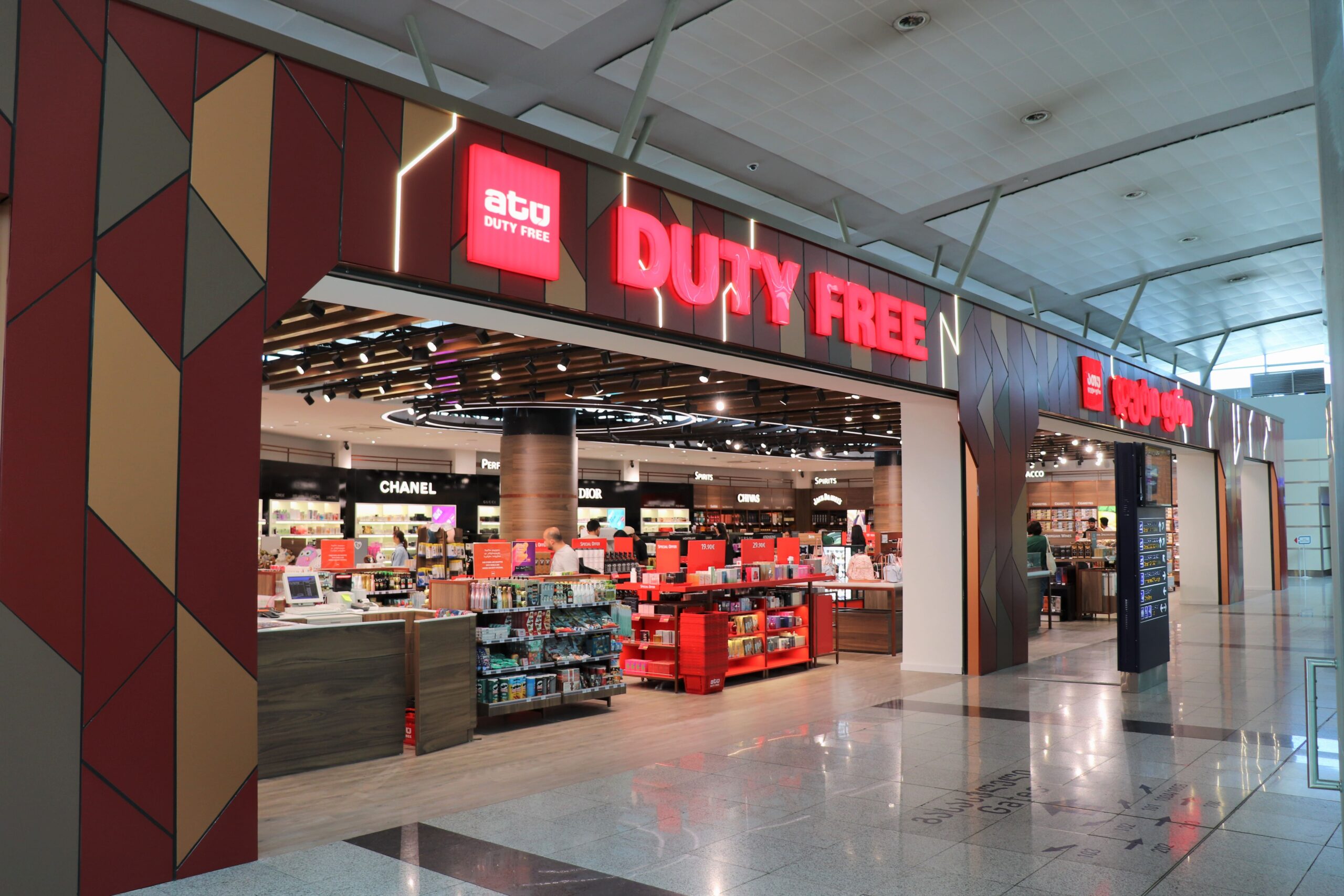
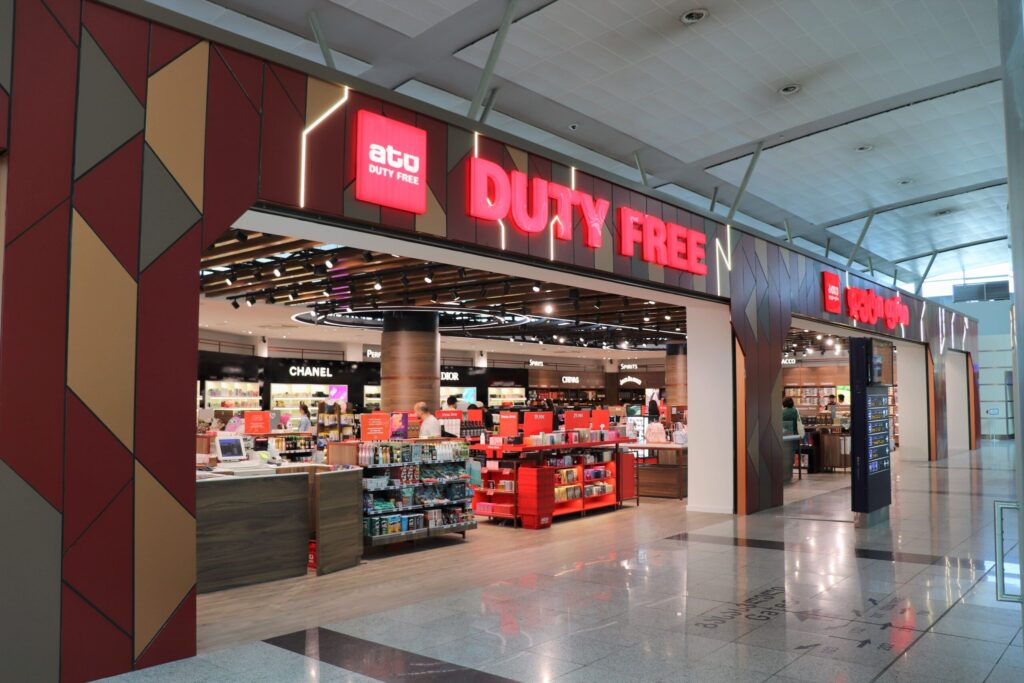
At its core, duty-free refers to the exemption of certain taxes and duties on goods sold in specific zones, typically found in international airports, seaports, and border crossings. These zones are technically outside the customs territory of a country, allowing retailers to sell products without levying the usual import duties, excise taxes, and value-added tax (VAT). The primary duty-free meaning centers around this tax exemption, leading to potentially lower prices for consumers.
The concept originated to facilitate international travel and trade, encouraging travelers to spend money at these designated locations. By removing the tax burden, retailers can offer competitive prices, making duty-free shops an attractive option for travelers looking to purchase souvenirs, gifts, or personal items.
The Mechanics of Duty-Free Shopping
So, how does duty-free shopping actually work? Here’s a breakdown of the key elements:
- Designated Zones: Duty-free shops are located in specific areas, typically within international airports, seaports, and sometimes land border crossings. These zones are considered outside the customs territory of the country.
- Tax Exemption: Goods sold in these zones are exempt from import duties, excise taxes, and VAT. This exemption is the foundation of the duty-free meaning.
- Eligibility: Generally, international travelers are eligible to purchase duty-free goods. You’ll typically need to present your passport and boarding pass as proof of international travel.
- Restrictions: While the prices might be tempting, there are often restrictions on the quantity of goods you can purchase duty-free. These restrictions vary by country and the type of product. Be sure to check the regulations before you buy to avoid potential issues with customs.
- Destination Matters: The rules surrounding duty-free allowances depend on your destination. Some countries have generous allowances, while others are more restrictive. It’s crucial to understand the rules of the country you’re entering to avoid paying duties on arrival.
Who Benefits from Duty-Free Shopping?
Duty-free shopping can benefit several parties:
- Travelers: The most obvious beneficiaries are travelers who can potentially save money on purchases by avoiding taxes. However, it’s important to compare prices with regular retail outlets to ensure you’re actually getting a good deal.
- Retailers: Duty-free shops benefit from increased sales volume due to the tax exemption. The allure of lower prices draws in more customers, boosting revenue.
- Airports and Seaports: These transportation hubs benefit from the revenue generated by duty-free shops. The concession fees paid by retailers contribute to the overall profitability of the airport or seaport.
- Governments: While governments forego tax revenue on duty-free sales, they often benefit from increased tourism and economic activity associated with international travel.
Common Misconceptions About Duty-Free
There are several common misconceptions surrounding duty-free shopping:
- Always Cheaper: Many people assume that duty-free items are always cheaper than those sold in regular retail stores. However, this isn’t always the case. Prices can vary, and it’s essential to compare prices before making a purchase.
- Unlimited Purchases: As mentioned earlier, there are often restrictions on the quantity of duty-free goods you can purchase. Exceeding these limits can result in having to pay duties upon arrival in your destination country.
- No Restrictions on Liquids: Security regulations regarding liquids in carry-on baggage still apply, even if you purchase the liquids duty-free. Be sure to pack liquids in accordance with the rules to avoid having them confiscated.
Tips for Smart Duty-Free Shopping
To make the most of your duty-free shopping experience, consider these tips:
- Compare Prices: Don’t assume that duty-free is always the cheapest option. Compare prices with regular retail stores, both online and offline, to ensure you’re getting a good deal.
- Know Your Allowances: Before you start shopping, familiarize yourself with the duty-free allowances for your destination country. This will help you avoid paying duties upon arrival.
- Check for Promotions: Duty-free shops often run promotions and special offers. Keep an eye out for these deals to maximize your savings.
- Be Aware of Liquid Restrictions: Remember the rules regarding liquids in carry-on baggage. If you’re purchasing liquids, make sure they’re properly packaged to comply with security regulations.
- Consider Exchange Rates: Be mindful of exchange rates when comparing prices. The exchange rate can impact the overall cost of your purchase.
Examples of Duty-Free Goods
While the specific items available can vary depending on the location, some of the most common duty-free goods include:
- Alcohol: Liquor, wine, and beer are popular duty-free purchases.
- Tobacco: Cigarettes, cigars, and other tobacco products are often available at discounted prices.
- Perfumes and Cosmetics: Many duty-free shops offer a wide selection of perfumes, cosmetics, and skincare products.
- Luxury Goods: Designer handbags, watches, and jewelry can often be found in duty-free shops.
- Confectionery: Chocolate, candy, and other sweets are also common duty-free items.
The Future of Duty-Free
The duty-free industry is constantly evolving. With the rise of e-commerce and changing travel patterns, duty-free retailers are adapting to meet the needs of modern travelers. We can expect to see more online duty-free shopping options, personalized shopping experiences, and innovative ways to attract customers.
Conclusion: Making Informed Duty-Free Choices
Understanding the duty-free meaning is essential for making informed purchasing decisions when traveling internationally. While the prospect of tax-exempt shopping is appealing, it’s crucial to compare prices, know your allowances, and be aware of any restrictions. By following the tips outlined in this article, you can navigate the world of duty-free shopping with confidence and potentially save money on your favorite items. Ultimately, the key is to do your research and make smart choices to ensure you’re getting the best possible value. Remember to always check the specific regulations of the country you are visiting to ensure compliance and avoid any unexpected customs fees. The allure of duty-free lies in its potential for savings, but only savvy shoppers can truly reap the benefits. [See also: International Travel Tips] [See also: Understanding Customs Regulations] [See also: Budget Travel Strategies]
