Duty Free: What Does It Mean and How Does It Work?
Traveling internationally often involves navigating a complex web of regulations, taxes, and fees. One term that frequently pops up in airports and border crossings is “duty free.” But what does duty free mean, and how does it benefit travelers? This article provides a comprehensive explanation of duty-free shopping, exploring its mechanics, benefits, limitations, and ethical considerations.
Understanding Duty and Taxes
To grasp the concept of duty free, it’s crucial to understand the underlying principles of customs duties and taxes. Governments impose these charges on imported goods for various reasons, including revenue generation, protection of domestic industries, and regulation of specific products. These duties and taxes can significantly increase the final price of goods.
Customs Duties
Customs duties, also known as tariffs, are taxes levied on goods when they are transported across international borders. The specific rate of duty varies depending on the type of product, its origin, and the trade agreements between the countries involved. For example, luxury items might have higher duty rates than essential goods. The purpose of these duties is often to protect local manufacturers from cheaper imports.
Excise Taxes
Excise taxes are taxes imposed on specific goods produced or sold within a country. These taxes are often applied to items like alcohol, tobacco, and fuel. The rationale behind excise taxes can range from revenue generation to discouraging the consumption of products deemed harmful. When these goods are imported, they are subject to both customs duties and excise taxes.
Value-Added Tax (VAT)
Value-Added Tax (VAT) is a consumption tax applied to the value added at each stage of the supply chain, from production to the final sale. It’s a common form of tax in many countries. VAT is usually included in the retail price of goods and services. When goods are imported, VAT is typically applied on top of the customs duties and excise taxes.
The Essence of Duty-Free Shopping
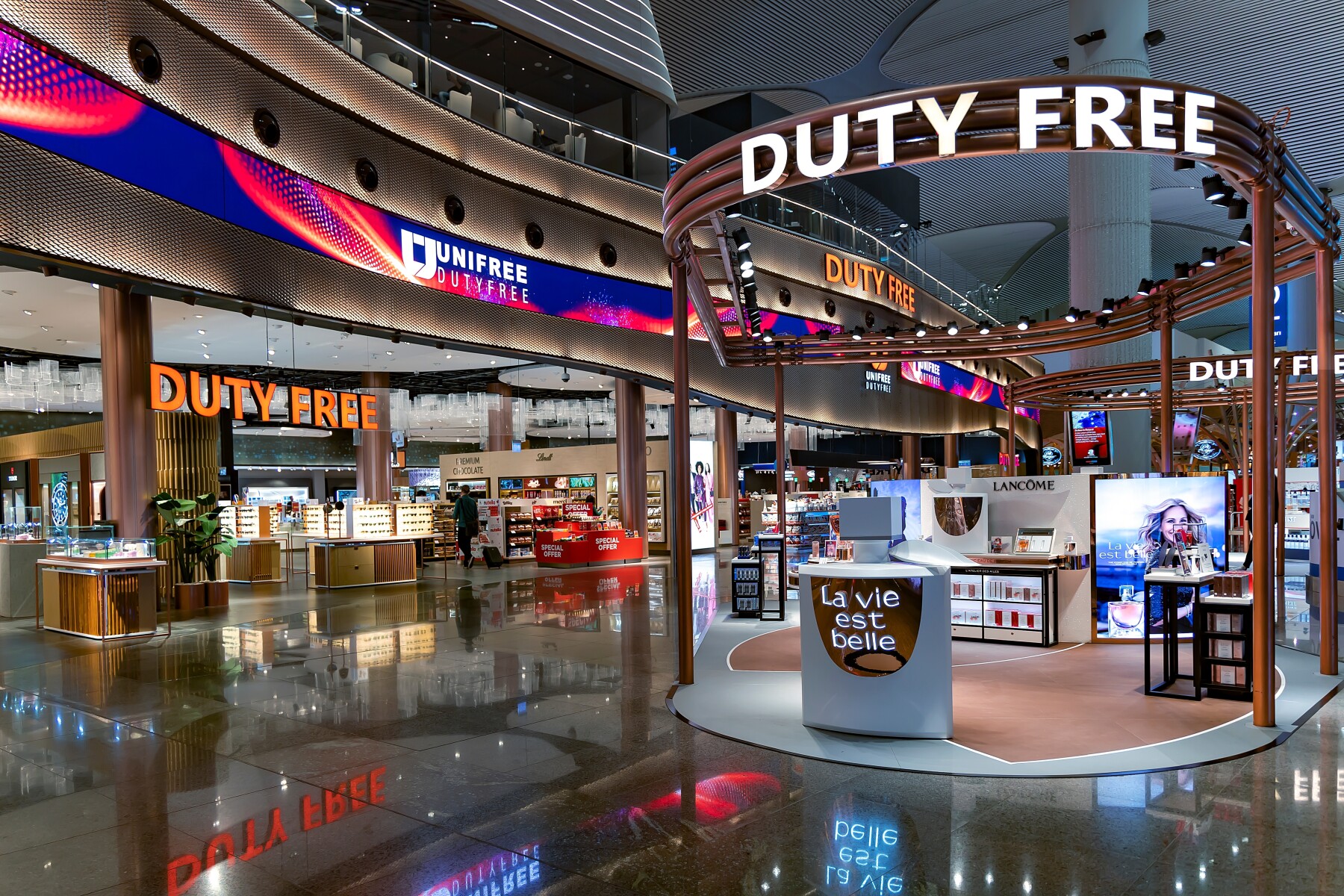
Duty free shopping offers travelers the opportunity to purchase goods without paying these duties and taxes. This exemption applies specifically to items purchased within designated duty free zones, such as airport shops or border stores, and intended for export. The primary aim is to promote international travel and tourism by offering competitive prices on certain goods.
How Duty-Free Works
When you buy an item in a duty free shop, the retailer is exempt from paying the usual duties and taxes. This cost saving is then passed on to the customer in the form of lower prices. However, there are often restrictions on the quantity and type of goods that can be purchased duty free. These restrictions are set by the customs authorities of the countries involved and vary depending on the destination.
Eligible Products
The range of products available in duty free shops typically includes: alcohol, tobacco, perfumes, cosmetics, luxury goods (such as watches and jewelry), electronics, and confectionery. These items are often subject to high duties and taxes, making the savings significant when purchased duty free. However, the specific selection may vary depending on the location and the retailer.
Benefits of Duty-Free Shopping
The most obvious benefit of duty free shopping is the potential cost savings. By avoiding duties and taxes, travelers can often purchase items at significantly lower prices than they would pay in their home country. This can be particularly attractive for high-value items or goods subject to heavy taxation. [See also: How to Save Money While Traveling]
Convenience
Duty free shops are conveniently located in airports and border crossings, making it easy for travelers to make purchases while on the move. This can be particularly useful for last-minute gifts or for stocking up on travel essentials. The shops are often open long hours to cater to travelers arriving and departing at all times of the day and night.
Exclusive Products
Some duty free shops offer exclusive products or limited-edition items that are not available elsewhere. This can be a major draw for collectors or those looking for unique souvenirs. These exclusive items often come with a premium price tag, but the novelty and exclusivity can make them highly desirable.
Limitations and Restrictions
While duty free shopping offers numerous benefits, it’s important to be aware of the limitations and restrictions involved. Customs authorities impose these rules to prevent abuse of the system and to ensure that goods are genuinely intended for export.
Allowance Limits
Each country sets its own allowance limits for duty free goods. These limits specify the maximum quantity and value of goods that travelers can bring into the country without paying duties and taxes. Exceeding these limits can result in the goods being confiscated, or the traveler being required to pay the applicable duties and taxes. It’s crucial to check the allowance limits for your destination before making any duty free purchases.
Destination-Specific Rules
Duty free regulations vary significantly from country to country. What is allowed in one destination may be prohibited in another. For example, some countries have strict restrictions on the import of alcohol or tobacco. It’s essential to familiarize yourself with the specific rules of your destination to avoid any unpleasant surprises at customs. [See also: International Travel Regulations]
Proof of Travel
To make a duty free purchase, you will typically need to provide proof of travel, such as a boarding pass or passport. This is to verify that you are indeed traveling internationally and are eligible for the duty free exemption. The retailer will usually record your travel details to comply with customs regulations.
Ethical Considerations
While duty free shopping is legal and widely practiced, it raises certain ethical considerations. Some argue that it creates an uneven playing field, favoring international travelers over local consumers. Others question the environmental impact of encouraging the consumption of goods, particularly luxury items. It’s important to consider these broader implications when engaging in duty free shopping.
Impact on Local Businesses
The availability of duty free goods can potentially undermine local businesses. If travelers can purchase goods at lower prices in duty free shops, they may be less likely to support local retailers. This can have a negative impact on the local economy, particularly in tourist destinations. [See also: Supporting Local Businesses While Traveling]
Environmental Concerns
The consumption of goods, whether purchased duty free or not, has an environmental impact. The production, transportation, and disposal of goods all contribute to pollution and resource depletion. Engaging in mindful consumption and choosing sustainable products can help mitigate these negative effects.
Tips for Duty-Free Shopping
To make the most of your duty free shopping experience, consider the following tips:
- Plan Ahead: Research the products you want to buy and compare prices with those in your home country.
- Check Allowance Limits: Familiarize yourself with the duty free allowance limits for your destination.
- Be Aware of Restrictions: Understand any restrictions on the type of goods that can be imported into your destination.
- Compare Prices: Don’t assume that duty free prices are always the best. Compare prices with other retailers to ensure you’re getting a good deal.
- Keep Your Receipts: Retain your receipts as proof of purchase in case you need to show them to customs officials.
- Pack Carefully: Pack your duty free purchases carefully to avoid damage during transit.
Duty Free: A Summary
In conclusion, duty free shopping offers travelers the opportunity to purchase goods without paying duties and taxes, potentially leading to significant cost savings. However, it’s important to be aware of the limitations, restrictions, and ethical considerations involved. By planning ahead, checking allowance limits, and comparing prices, you can make the most of your duty free shopping experience and avoid any unpleasant surprises at customs. Understanding what does duty free mean is the first step to smart, international shopping.
