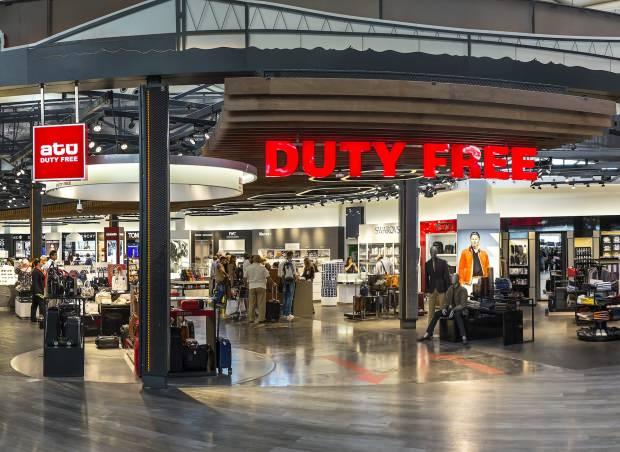
Duty Free: What It Is, How It Works, and Where to Find It
Have you ever strolled through an airport or a border crossing and noticed shops advertising “Duty Free” goods? The promise of tax-free shopping can be enticing, but what exactly does “duty free” mean? This article will break down the concept of duty free shopping, explaining its benefits, limitations, and where you can take advantage of these potential savings. Understanding duty free regulations can help you make informed decisions about your purchases while traveling.
Understanding Duty Free Shopping
Duty free shops are retail outlets that are exempt from the payment of certain local or national taxes and duties, on the requirement that the goods sold will be sold to travelers who will take them out of the country. These shops are commonly found in the international zones of airports, seaports, and border crossings. The idea is that because the goods are being exported, they shouldn’t be subject to the same taxes as goods sold and consumed within the country.
The History of Duty Free
The concept of duty free shopping dates back to the mid-20th century. Shannon Airport in Ireland is often credited with establishing the first duty free shop in 1947. This innovative idea quickly gained popularity, and similar shops began appearing in airports and other travel hubs around the world.
How Duty Free Works
When you purchase items at a duty free shop, you are essentially buying them without paying the taxes that would normally be included in the price. These taxes can include value-added tax (VAT), sales tax, excise duties, and import duties. The specific taxes that are waived vary depending on the country and the type of goods being sold.
To qualify for duty free purchases, you typically need to present proof of international travel, such as a boarding pass or passport. The shop will then record your purchase and ensure that the goods are exported. In some cases, you may need to show your passport again at the gate before boarding your flight to verify that you are indeed leaving the country with the duty free items.
What Can You Buy Duty Free?
The types of products available at duty free shops vary depending on the location, but some of the most common items include:
- Alcohol: Spirits, wine, and beer are popular duty free purchases.
- Tobacco: Cigarettes, cigars, and other tobacco products are often sold at discounted prices.
- Perfume and Cosmetics: Many travelers take advantage of duty free prices to buy their favorite fragrances and beauty products.
- Luxury Goods: Designer handbags, watches, and jewelry can sometimes be found at duty free shops.
- Confectionery: Chocolate, candy, and other sweets are often available.
- Electronics: Some duty free shops sell electronics like headphones, cameras, and mobile phones.
Limitations and Restrictions
While duty free shopping can be a great way to save money, it’s important to be aware of the limitations and restrictions. Each country has its own regulations regarding the amount of alcohol, tobacco, and other goods that you can bring in duty free. Exceeding these allowances can result in taxes and duties being charged upon arrival at your destination. Always check the customs regulations of the country you are visiting before making duty free purchases.
For example, you might be limited to one liter of spirits or 200 cigarettes per person. These limits can vary significantly from country to country, so it’s crucial to do your research.
Is Duty Free Always a Good Deal?
While the allure of tax-free shopping is strong, it’s not always a guarantee that you’re getting the best possible price. Before making a purchase, it’s wise to compare prices with those offered by retailers outside the duty free zone. Sometimes, special promotions or discounts elsewhere can make the duty free price less attractive.
Consider these factors when evaluating a duty free purchase:
- Price Comparison: Check prices online or at other stores to see if the duty free price is truly the best deal.
- Currency Conversion: Be mindful of exchange rates, as these can impact the final price.
- Allowance Limits: Make sure you stay within the allowance limits to avoid paying taxes and duties at your destination.
- Product Availability: Duty free shops may not always have the specific product you are looking for.
Where Can You Find Duty Free Shops?
Duty free shops are primarily located in international travel hubs:
- Airports: Most international airports have a dedicated duty free shopping area.
- Seaports: Cruise terminals and ferry ports often feature duty free shops.
- Border Crossings: Land border crossings between countries may have duty free shops.
- Onboard Ships and Aircraft: Some cruise ships and airlines offer duty free shopping onboard.
The Future of Duty Free
The duty free industry continues to evolve. With the rise of e-commerce and online shopping, duty free retailers are exploring new ways to reach travelers. Some airports are experimenting with online pre-ordering and delivery to the gate, making it even more convenient for passengers to shop duty free.
Furthermore, there’s ongoing debate about the fairness and sustainability of the duty free system. Some argue that it primarily benefits wealthier travelers and that the tax revenue lost could be used to fund public services. However, proponents of duty free shopping emphasize its importance to the travel industry and its contribution to economic growth.
Tips for Duty Free Shopping
To make the most of your duty free shopping experience, consider these tips:
- Plan Ahead: Research the customs regulations of your destination country.
- Compare Prices: Don’t assume that duty free is always the cheapest option.
- Check Allowance Limits: Stay within the limits to avoid paying taxes and duties.
- Be Mindful of Exchange Rates: Factor in currency conversion when calculating the final price.
- Keep Your Receipts: You may need to show your receipts to customs officials.
- Consider Your Luggage Allowance: Be aware of weight and size restrictions for your luggage.
Conclusion
Duty free shopping can be a convenient way to save money on certain items while traveling internationally. However, it’s essential to understand the regulations, limitations, and potential drawbacks. By doing your research and comparing prices, you can make informed decisions and take advantage of the benefits of duty free shopping. Remember to always check the customs regulations of your destination country and stay within the allowance limits to avoid any unexpected charges. Happy travels and happy shopping! [See also: Tax Refund on Purchases Abroad]
