Economic Deflation: Understanding Its Causes, Consequences, and Potential Cures
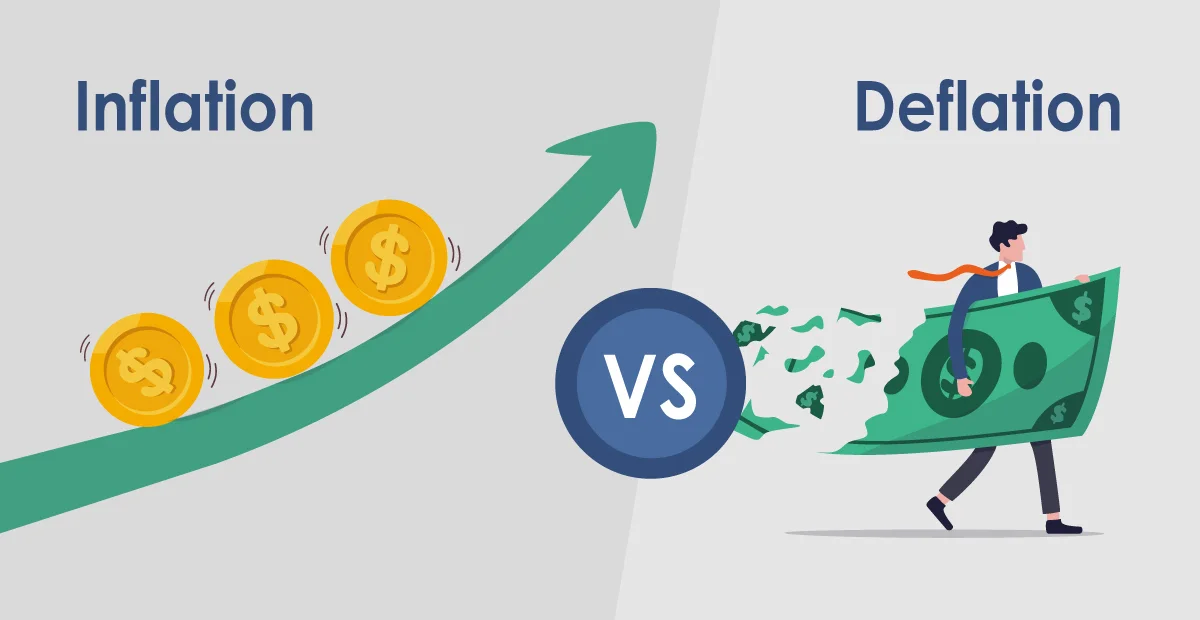
Deflation of economy, a sustained decrease in the general price level of goods and services, is often perceived as the opposite of inflation and, in many ways, just as problematic. While falling prices might seem beneficial at first glance, the underlying economic forces and potential consequences of deflation can be detrimental to economic growth and stability. This article delves into the causes of economic deflation, its potential impacts on various sectors, and the measures that policymakers can take to mitigate its adverse effects.
What is Deflation?
Deflation occurs when the inflation rate falls below 0%, meaning that the purchasing power of money increases over time. This means you can buy more goods and services with the same amount of money. While this might sound appealing, prolonged periods of deflation can signal deeper economic issues.
Causes of Economic Deflation
Several factors can contribute to economic deflation. Understanding these causes is crucial for implementing appropriate policy responses.
Decrease in Aggregate Demand
A significant drop in aggregate demand, the total demand for goods and services in an economy, is a primary driver of deflation. This can stem from various sources, including:
- Recessions: During economic downturns, consumers and businesses tend to reduce spending due to uncertainty about job security and future income.
- Increased Savings: If people choose to save more and spend less, overall demand decreases.
- Reduced Government Spending: Austerity measures or cuts in government expenditure can dampen aggregate demand.
- Global Economic Slowdowns: A slowdown in global trade can reduce demand for a country’s exports, leading to deflationary pressures.
Increase in Aggregate Supply
Conversely, a significant increase in aggregate supply without a corresponding rise in demand can also lead to deflation. This can be caused by:
- Technological Advancements: Innovations that boost productivity can lead to a surplus of goods and services, potentially driving down prices.
- Increased Competition: Greater competition among businesses can force them to lower prices to attract customers.
- Falling Input Costs: Lower prices for raw materials, energy, or labor can reduce production costs, allowing businesses to lower prices.
Monetary Policy
Inadequate monetary policy responses can exacerbate deflationary pressures. For instance:
- Tight Monetary Policy: High interest rates can discourage borrowing and investment, leading to a decrease in the money supply and potentially contributing to deflation.
- Central Bank Credibility: If a central bank lacks credibility, it may struggle to influence inflation expectations, making it harder to combat deflation.
Debt Deflation
Economist Irving Fisher identified debt deflation as a dangerous cycle. It occurs when:
- Falling prices increase the real value of debt.
- Debtors find it harder to repay their loans.
- Defaults increase, leading to bank failures and further economic contraction.
- This further reduces aggregate demand, driving prices even lower.
Consequences of Economic Deflation
While lower prices might seem appealing, the consequences of sustained deflation can be severe.
Decreased Investment
Deflation discourages investment because businesses anticipate that prices will be lower in the future. This expectation reduces their incentive to invest in new projects or expand existing operations. Why invest today if you think you can buy the same asset for less tomorrow?
Increased Real Debt Burden
As mentioned earlier, deflation increases the real value of debt. This makes it more difficult for individuals and businesses to repay their loans, potentially leading to defaults and financial instability. This is a core component of debt deflation.
Postponed Consumption
Consumers may postpone purchases in anticipation of lower prices in the future. This decrease in current consumption further reduces aggregate demand, exacerbating the deflationary spiral.
Wage Cuts and Unemployment
Businesses facing declining revenues may resort to wage cuts or layoffs to reduce costs. This can lead to lower incomes and higher unemployment rates, further dampening aggregate demand. Nominal wages are often “sticky downwards,” meaning employers are reluctant to cut wages. This can lead to layoffs instead, increasing unemployment during deflationary periods.
Bankruptcies and Financial Instability
Deflation can increase the risk of bankruptcies, particularly among businesses with high debt levels. This can lead to financial instability and potentially trigger a banking crisis. The increased real value of debt makes it harder for companies to stay afloat.
Examples of Deflationary Periods
Several historical periods have been marked by significant deflation:
- The Great Depression (1930s): A severe economic downturn characterized by widespread unemployment and falling prices.
- Japan in the 1990s and 2000s: A prolonged period of deflation known as the “Lost Decade,” which hindered economic growth.
- More recently, some sectors have experienced deflation, such as technology goods due to rapid innovation and increasing supply.
Policy Responses to Deflation
Policymakers have several tools at their disposal to combat deflation.
Monetary Policy
- Lowering Interest Rates: Central banks can lower interest rates to encourage borrowing and investment, boosting aggregate demand. However, this may be ineffective if interest rates are already near zero (the “zero lower bound”).
- Quantitative Easing (QE): This involves a central bank injecting liquidity into the economy by purchasing assets, such as government bonds. QE aims to lower long-term interest rates and stimulate lending.
- Negative Interest Rates: Some central banks have experimented with negative interest rates on commercial banks’ reserves held at the central bank. This aims to encourage banks to lend more money.
- Forward Guidance: Communicating the central bank’s intentions and future policy actions can influence inflation expectations.
Fiscal Policy
- Increased Government Spending: Government spending on infrastructure projects, social programs, or tax cuts can boost aggregate demand and help combat deflation.
- Tax Cuts: Reducing taxes can increase disposable income, encouraging consumption and investment.
Structural Reforms
- Deregulation: Reducing regulatory burdens can encourage investment and innovation.
- Labor Market Reforms: Making labor markets more flexible can help businesses adjust to changing economic conditions.
The Role of Expectations
Managing inflation expectations is crucial in combating deflation. If people expect prices to continue falling, they may postpone purchases, exacerbating the problem. Central banks need to convince the public that they are committed to achieving price stability and preventing prolonged deflation.
Challenges in Combating Deflation
Combating deflation can be challenging due to several factors:
- Zero Lower Bound: The effectiveness of monetary policy is limited when interest rates are already near zero.
- Liquidity Trap: Even with low interest rates, businesses and consumers may be reluctant to borrow and spend if they lack confidence in the economic outlook.
- Policy Coordination: Effective deflation requires coordination between monetary and fiscal policies.
- Global Interdependence: Deflation in one country can spread to others through trade and financial linkages.
Conclusion
Deflation of economy, while seemingly beneficial on the surface, poses significant risks to economic stability and growth. Understanding the causes and consequences of deflation is essential for policymakers to implement appropriate measures to mitigate its adverse effects. By employing a combination of monetary and fiscal policies, managing expectations, and implementing structural reforms, economies can effectively combat deflation and foster sustainable economic growth. Addressing deflation requires a multifaceted approach, considering both domestic and global economic conditions. The long-term health of an economy depends on maintaining price stability and avoiding the pitfalls of prolonged deflation. It is essential to remember that economic deflation is more than just falling prices; it’s a complex phenomenon with far-reaching consequences that demand careful attention and proactive policy responses. The goal is to ensure a stable and growing economy for all, and preventing deflation is a key part of achieving that goal. Ignoring the risks of deflation can lead to severe economic hardship, highlighting the importance of vigilance and preparedness.
[See also: Understanding Inflation and Its Impact on the Economy]
[See also: Monetary Policy Tools and Their Effectiveness]
