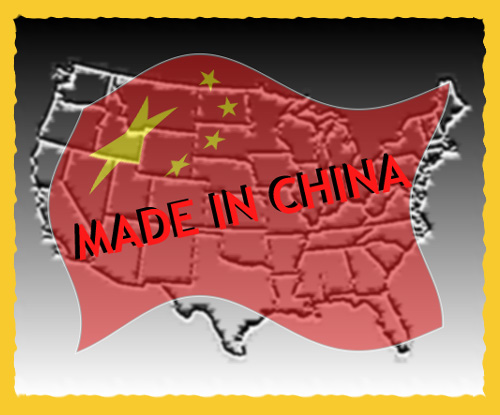
Everything Made in China: A Comprehensive Overview
“Made in China” – three words that adorn countless products worldwide, from the simplest household items to sophisticated technological components. Understanding the scope and impact of products labeled “everything made in China” requires a comprehensive look at the country’s manufacturing prowess, its role in the global economy, and the implications for consumers and businesses alike. This article delves into the multifaceted aspects of everything made in China, exploring its historical context, present-day realities, and future prospects.
The Rise of China as a Manufacturing Powerhouse
China’s ascent to becoming the world’s leading manufacturing hub is a story of strategic planning, economic reforms, and sheer determination. In the late 20th century, under Deng Xiaoping’s leadership, China initiated economic reforms that opened its doors to foreign investment and market-oriented policies. This transformation created a fertile ground for manufacturing growth. The availability of a large, low-cost labor force, coupled with government incentives, attracted multinational corporations seeking to reduce production costs. As a result, factories sprang up across the country, churning out goods for global consumption. The phrase “everything made in China” began to gain prominence as Chinese products flooded international markets.
The Special Economic Zones (SEZs) played a crucial role in this transformation. These zones offered preferential treatment to foreign investors, including tax breaks and streamlined regulations, further incentivizing manufacturing activity. Cities like Shenzhen, Zhuhai, and Xiamen experienced rapid industrialization, becoming centers of innovation and production. These zones became synonymous with everything made in China and the nation’s economic miracle.
The Breadth of Products: From Toys to Technology
The range of products that fall under the umbrella of “everything made in China” is staggering. It encompasses virtually every sector of the economy, from consumer goods to heavy industry. Here are some key categories:
- Electronics: Smartphones, laptops, televisions, and other electronic devices are predominantly manufactured in China. Major tech companies like Apple, Samsung, and Huawei rely heavily on Chinese factories for their production.
- Textiles and Apparel: China is the world’s largest exporter of textiles and clothing. The vast majority of our clothes, shoes, and accessories bear the label “Made in China.”
- Toys and Games: The toy industry is heavily reliant on Chinese manufacturing. From dolls and action figures to board games and puzzles, a significant portion of the world’s toys are everything made in China.
- Machinery and Equipment: China is a major producer of industrial machinery, construction equipment, and agricultural machinery. This sector has seen significant advancements in recent years, with Chinese companies increasingly competing with established Western manufacturers.
- Automotive Components: While complete automobiles are not exclusively made in China for global export, many automotive components, such as engines, transmissions, and electronic systems, are manufactured there.
- Household Goods: From furniture and appliances to kitchenware and décor, a vast array of household goods are everything made in China.
The sheer volume and diversity of everything made in China underscore the country’s dominance in global manufacturing. This dominance has had a profound impact on the world economy, shaping trade patterns, influencing consumer prices, and driving technological innovation.
Quality Concerns and Perceptions
Despite its manufacturing prowess, “everything made in China” has often been associated with concerns about quality. In the past, Chinese products were perceived as being cheap and of inferior quality compared to those manufactured in developed countries. However, this perception is gradually changing as Chinese manufacturers invest in technology, improve quality control, and prioritize innovation. While quality issues still exist, particularly in certain sectors, the overall quality of everything made in China has improved significantly over the years.
Several factors contribute to the persistence of quality concerns:
- Counterfeit Goods: China has a long history of producing counterfeit goods, including fake designer products, pharmaceuticals, and electronics. These counterfeit products often lack the quality and safety standards of genuine products, damaging the reputation of everything made in China.
- Lack of Enforcement: In some cases, lax enforcement of quality control standards and intellectual property rights has allowed substandard products to enter the market.
- Price Pressures: The intense competition in the manufacturing sector can lead to price pressures, which may incentivize manufacturers to cut corners on quality to reduce costs.
However, it’s important to recognize that many Chinese manufacturers are committed to producing high-quality goods. They invest in advanced technology, implement rigorous quality control measures, and obtain international certifications to ensure that their products meet global standards. The perception of “everything made in China” as being synonymous with low quality is increasingly outdated.
The Impact on Global Trade and Economy
China’s role as the world’s leading manufacturing hub has had a profound impact on global trade and the economy. The country’s exports have fueled economic growth in many countries, providing consumers with access to affordable goods and businesses with access to competitive inputs. At the same time, China’s manufacturing dominance has led to trade imbalances and concerns about job displacement in developed countries. The rise of everything made in China has reshaped the global economic landscape.
The United States, in particular, has experienced a significant trade deficit with China. This deficit has been a source of tension between the two countries, leading to trade disputes and tariffs. The Trump administration imposed tariffs on billions of dollars’ worth of Chinese goods in an effort to reduce the trade deficit and protect American jobs. These tariffs have had a mixed impact, raising costs for consumers and businesses while also incentivizing some companies to shift production out of China. The future of trade relations between the United States and China remains uncertain, but the role of everything made in China will undoubtedly be a key factor in shaping that relationship.
China’s economic growth has also lifted millions of people out of poverty. The manufacturing sector has provided employment opportunities for a large segment of the population, contributing to rising living standards and social development. However, this growth has also come at a cost, with environmental degradation and income inequality posing significant challenges. The challenge for China is to sustain its economic growth while addressing these social and environmental concerns.
The Future of Manufacturing in China
The future of manufacturing in China is likely to be shaped by several key trends:
- Technological Innovation: China is investing heavily in research and development, particularly in areas such as artificial intelligence, robotics, and advanced materials. This investment is aimed at transforming China from a low-cost manufacturing hub to a center of technological innovation.
- Automation and Robotics: As labor costs rise, Chinese manufacturers are increasingly adopting automation and robotics to improve efficiency and reduce costs. This trend is likely to accelerate in the coming years, leading to a shift towards more capital-intensive manufacturing.
- Green Manufacturing: China is facing increasing pressure to reduce its environmental footprint. The government is implementing stricter environmental regulations and promoting the adoption of green manufacturing technologies. This is likely to lead to a shift towards more sustainable production practices.
- Supply Chain Diversification: The COVID-19 pandemic exposed the vulnerability of global supply chains, which are heavily reliant on China. Many companies are now considering diversifying their supply chains to reduce their dependence on a single country. This could lead to a shift in manufacturing activity to other countries in Asia and elsewhere.
Despite these challenges, China is likely to remain a major manufacturing hub for the foreseeable future. The country’s vast industrial base, skilled workforce, and strong infrastructure provide a solid foundation for continued growth. However, the nature of manufacturing in China is likely to evolve, with a greater emphasis on technology, innovation, and sustainability. The label “everything made in China” might become associated with higher quality and more technologically advanced products.
Conclusion
“Everything made in China” represents a complex and multifaceted phenomenon that has transformed the global economy. From its humble beginnings as a low-cost manufacturing hub, China has emerged as a dominant force in global trade, producing a vast array of goods that are consumed worldwide. While challenges remain, particularly in terms of quality and environmental sustainability, China is investing in innovation and technology to maintain its competitive edge. Understanding the scope and impact of everything made in China is essential for businesses, consumers, and policymakers alike as they navigate the complexities of the global economy. [See also: The Impact of Chinese Manufacturing on the US Economy] and [See also: Ethical Concerns Regarding Chinese Production]. The future will undoubtedly see further evolution in the nature and quality of everything made in China.
