Everything’s Made in China: Understanding Global Manufacturing’s Dependence
Walk into any store, from a bustling supermarket to a high-end boutique, and you’re almost certain to encounter products bearing the ubiquitous label: “Made in China.” This simple phrase reflects a complex reality: China’s dominance in global manufacturing. From electronics and apparel to toys and machinery, the world’s dependence on Chinese production is profound. But how did this happen, and what are the implications of a global economy where everything’s made in China?
The Rise of China as a Manufacturing Powerhouse
China’s transformation into the world’s factory didn’t happen overnight. It was a gradual process fueled by a combination of factors, including economic reforms, abundant labor, and strategic government policies. In the late 1970s, under the leadership of Deng Xiaoping, China began to open its economy to foreign investment and market-oriented reforms. This shift attracted multinational corporations seeking lower production costs.
One of China’s key advantages was its vast and relatively inexpensive labor force. Companies could significantly reduce their manufacturing expenses by relocating production to China. Furthermore, the Chinese government actively encouraged foreign investment by establishing Special Economic Zones (SEZs) that offered tax incentives, streamlined regulations, and improved infrastructure. These zones became magnets for foreign companies, fostering rapid industrial growth.
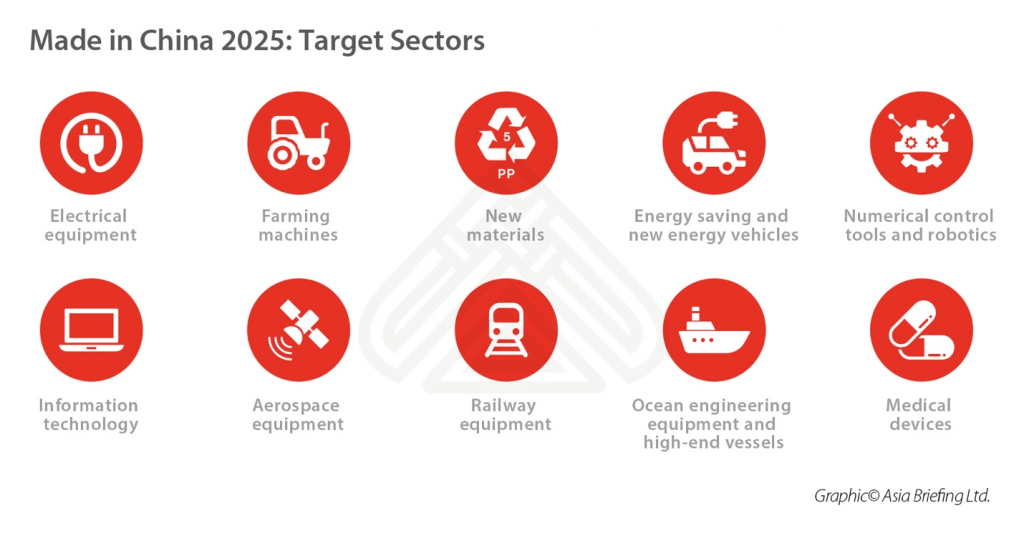
Moreover, China invested heavily in infrastructure development, including ports, highways, and railways, to facilitate the efficient movement of goods. This investment, coupled with a proactive approach to attracting foreign technology and know-how, allowed China to rapidly climb the value chain in manufacturing. Initially focused on low-value-added products, China gradually developed its capabilities to produce more sophisticated goods, including electronics, automobiles, and aerospace components.
The Breadth of Chinese Manufacturing
The scope of everything’s made in China is staggering. Consider the following:
- Electronics: From smartphones and laptops to televisions and home appliances, a significant portion of the world’s electronics are manufactured in China. Companies like Foxconn, which assembles iPhones and other Apple products, have massive factories in China employing hundreds of thousands of workers.
- Apparel and Textiles: China is the world’s largest exporter of textiles and apparel. Many of the clothes we wear, from everyday t-shirts to high-fashion garments, are produced in Chinese factories.
- Toys and Games: The toy industry is heavily reliant on Chinese manufacturing. A vast majority of the toys sold worldwide, including those from major brands, are made in China.
- Machinery and Equipment: China has become a major producer of industrial machinery, construction equipment, and other heavy machinery. Its growing technological capabilities have allowed it to compete with established manufacturers in developed countries.
- Consumer Goods: From household items to personal care products, a wide range of consumer goods are manufactured in China. This includes everything from furniture and kitchenware to cosmetics and toiletries.
The sheer scale of Chinese manufacturing is a testament to its efficiency, competitiveness, and ability to meet the demands of the global market. This widespread production has resulted in lower prices for consumers worldwide, but it has also raised concerns about labor practices, environmental sustainability, and economic dependency.
The Implications of Global Dependence
The reliance on everything’s made in China has several significant implications for the global economy:
Economic Benefits
One of the primary benefits is lower prices for consumers. Chinese manufacturers can produce goods at a lower cost than companies in many other countries, which translates into more affordable products for consumers worldwide. This has helped to raise living standards, particularly in developing countries. [See also: The Impact of Globalization on Developing Nations]
Supply Chain Vulnerabilities
However, the dependence on Chinese manufacturing also creates vulnerabilities in global supply chains. Disruptions in China, such as natural disasters, political instability, or trade disputes, can have a ripple effect across the global economy. The COVID-19 pandemic, which originated in China, highlighted this vulnerability, as factory closures and supply chain disruptions led to shortages of goods and higher prices. Companies are now re-evaluating their supply chains and considering diversifying their production sources to reduce their reliance on a single country.
Labor and Environmental Concerns
The focus on low-cost manufacturing in China has also raised concerns about labor practices and environmental sustainability. While China has made progress in improving labor standards and environmental regulations, challenges remain. Some factories have been criticized for poor working conditions, low wages, and long hours. Additionally, the rapid industrialization in China has contributed to air and water pollution, raising concerns about the environmental impact of everything’s made in China. [See also: Ethical Sourcing and Supply Chain Management]
Geopolitical Considerations
The economic dependence on China also has geopolitical implications. As China’s economic power has grown, so has its political influence. Some countries worry about China’s growing assertiveness on the global stage and its potential to use its economic leverage to advance its political interests. This has led to calls for greater economic diversification and a reduction in reliance on Chinese manufacturing.
The Future of Manufacturing: Beyond China?
While everything’s made in China remains a dominant reality, there are signs that the global manufacturing landscape is beginning to shift. Several factors are driving this shift:
Rising Labor Costs in China
As China’s economy has developed, labor costs have risen, making it less attractive as a low-cost manufacturing destination. This has led some companies to relocate production to other countries with lower labor costs, such as Vietnam, India, and Bangladesh. [See also: The Rise of Southeast Asia as a Manufacturing Hub]
Reshoring and Nearshoring
Some companies are also considering reshoring or nearshoring production, bringing manufacturing back to their home countries or to neighboring countries. This is driven by a desire to reduce supply chain vulnerabilities, improve quality control, and respond more quickly to changing customer demands. Technological advancements, such as automation and robotics, are making reshoring and nearshoring more economically viable.
Technological Advancements
Advancements in manufacturing technology, such as 3D printing, artificial intelligence, and the Internet of Things, are also transforming the manufacturing landscape. These technologies are enabling companies to produce goods more efficiently, customize products to meet individual customer needs, and reduce their reliance on low-cost labor. This could lead to a more decentralized and localized manufacturing model.
Diversification of Supply Chains
The COVID-19 pandemic highlighted the importance of diversifying supply chains to reduce reliance on a single country. Companies are now actively seeking alternative sources of supply and investing in building more resilient and diversified supply chains. This includes exploring new manufacturing locations, developing partnerships with multiple suppliers, and investing in technology to improve supply chain visibility and management.
Conclusion
The phrase everything’s made in China encapsulates the profound impact of China on the global economy. While China’s dominance in manufacturing has brought economic benefits, it has also created vulnerabilities and raised concerns about labor practices, environmental sustainability, and geopolitical risks. As the global manufacturing landscape evolves, companies are exploring new strategies to diversify their supply chains, reduce their reliance on China, and embrace technological advancements that can transform the way goods are produced. The future of manufacturing is likely to be more decentralized, localized, and technologically driven, but China will undoubtedly continue to play a significant role in the global economy for years to come.
