Forecasting Stock Performance: Strategies, Models, and Market Realities
In the dynamic world of finance, the ability to accurately forecast stock performance is a holy grail for investors, analysts, and portfolio managers alike. While predicting the future with absolute certainty remains an elusive goal, various strategies, models, and analytical techniques offer valuable insights into potential market trends and individual stock movements. This article delves into the complexities of forecasting stock prices, examining the methodologies employed, the challenges encountered, and the realities that shape investment decisions.
Understanding the Fundamentals of Stock Forecasting
Forecasting stock prices involves analyzing a vast array of data points and market indicators to project future performance. These indicators can be broadly categorized into fundamental analysis and technical analysis.
Fundamental Analysis
Fundamental analysis focuses on evaluating a company’s intrinsic value by examining its financial statements, industry position, and macroeconomic environment. Key metrics considered include revenue growth, profitability margins, debt levels, and competitive landscape. By assessing these factors, analysts aim to determine whether a stock is undervalued or overvalued relative to its underlying fundamentals. The goal is to forecast stock prices based on the company’s true worth.
- Financial Statements: Analyzing balance sheets, income statements, and cash flow statements to assess a company’s financial health.
- Industry Analysis: Understanding the dynamics of the industry in which the company operates, including growth prospects, competitive pressures, and regulatory environment.
- Economic Analysis: Evaluating macroeconomic factors such as interest rates, inflation, and GDP growth that can impact a company’s performance.
Technical Analysis
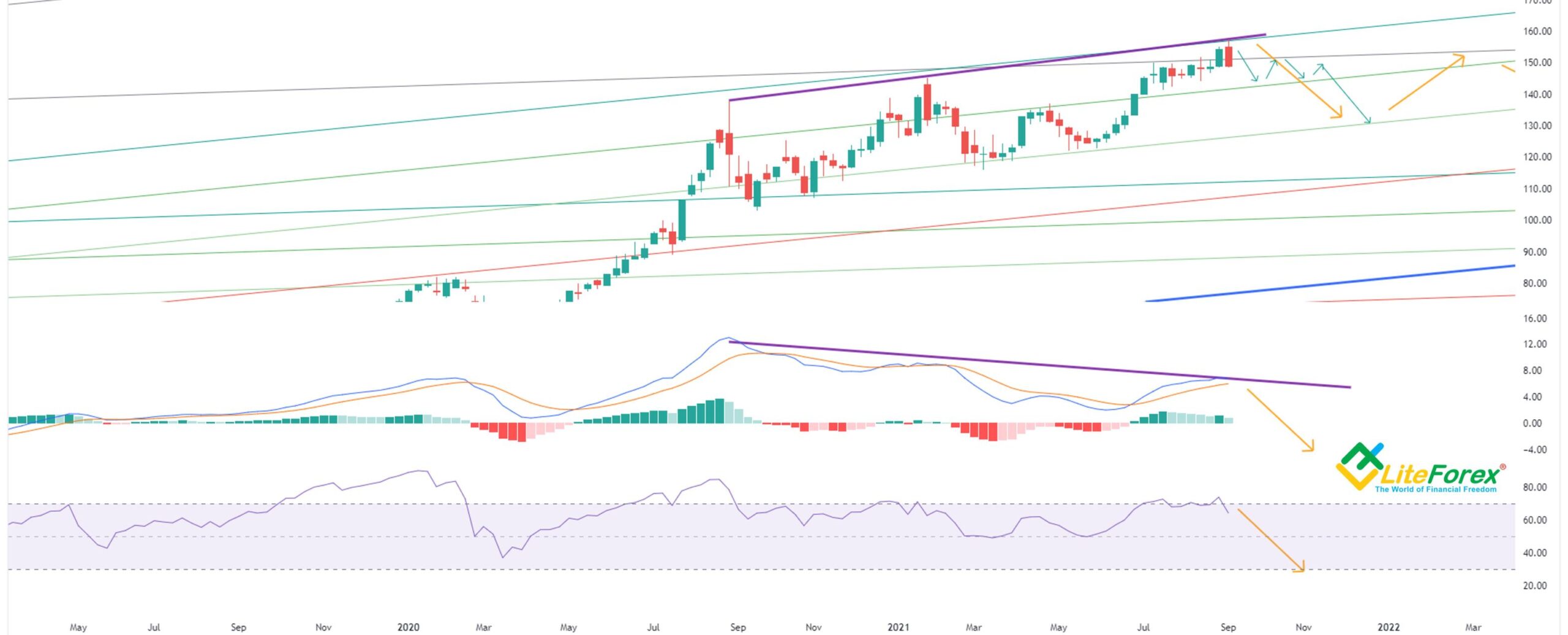
Technical analysis, on the other hand, relies on studying historical price and volume data to identify patterns and trends that can be used to predict future price movements. Technical analysts use various charts, indicators, and oscillators to identify potential buying and selling opportunities. While fundamental analysis focuses on intrinsic value, technical analysis is more concerned with market sentiment and investor behavior. To effectively forecast stock behavior using technical analysis, one needs to understand market psychology.
- Chart Patterns: Identifying formations such as head and shoulders, double tops, and triangles that can signal potential trend reversals.
- Technical Indicators: Using tools like moving averages, MACD, and RSI to gauge momentum and overbought/oversold conditions.
- Volume Analysis: Monitoring trading volume to confirm price trends and identify potential breakouts or breakdowns.
Common Stock Forecasting Models
Several models are used to forecast stock prices, each with its own strengths and limitations.
Time Series Analysis
Time series analysis involves analyzing historical data points collected over time to identify patterns and trends. This approach is often used to forecast stock prices based on past performance. Common time series models include ARIMA (Autoregressive Integrated Moving Average) and exponential smoothing. These models can be effective in capturing short-term trends, but they may struggle to predict sudden market shifts or unexpected events.
Regression Analysis
Regression analysis is a statistical technique used to identify the relationship between a dependent variable (e.g., stock price) and one or more independent variables (e.g., economic indicators, company financials). By building a regression model, analysts can forecast stock prices based on the values of the independent variables. Regression models can be useful in capturing the impact of various factors on stock performance, but they require careful selection of relevant variables and assumptions.
Machine Learning Algorithms
Machine learning algorithms are increasingly being used to forecast stock prices. These algorithms can analyze vast amounts of data and identify complex patterns that may be difficult for humans to detect. Common machine learning models used in stock forecasting include neural networks, support vector machines, and random forests. While machine learning models can be powerful tools, they require significant computational resources and expertise to develop and implement effectively. These models help to forecast stock prices with greater accuracy.
Challenges in Stock Forecasting
Forecasting stock prices is inherently challenging due to the numerous factors that can influence market movements. Some of the key challenges include:
Market Volatility
Stock markets are subject to significant volatility, which can make it difficult to predict future price movements. Unexpected events, such as geopolitical tensions, economic shocks, or company-specific news, can trigger sudden market swings that are difficult to anticipate. Market volatility can significantly impact the accuracy of stock forecasts.
Data Limitations
The availability and quality of data can also pose a challenge to stock forecasting. Historical data may not always be a reliable indicator of future performance, especially in rapidly changing markets. Additionally, data may be incomplete, inaccurate, or subject to biases, which can affect the accuracy of forecasting models.
Behavioral Factors
Investor behavior can also play a significant role in stock price movements. Market sentiment, herd behavior, and emotional biases can drive prices away from their intrinsic values, making it difficult to predict rational market outcomes. Understanding behavioral factors is crucial for forecasting stock market trends.
The Role of Technology in Stock Forecasting
Technology plays a critical role in modern stock forecasting. Advanced computing power, sophisticated algorithms, and access to vast amounts of data have transformed the way analysts approach market predictions.
Algorithmic Trading
Algorithmic trading involves using computer programs to execute trades based on predefined rules and parameters. These algorithms can analyze market data in real-time and identify trading opportunities that humans may miss. Algorithmic trading can be used to implement stock forecasting strategies and automate the trading process.
Big Data Analytics
Big data analytics involves analyzing large and complex datasets to extract meaningful insights. In the context of stock forecasting, big data analytics can be used to identify patterns and trends in market data that may not be apparent through traditional analysis techniques. This can lead to more accurate and sophisticated stock forecasts.
Artificial Intelligence (AI)
Artificial intelligence (AI) is increasingly being used in stock forecasting to develop more advanced and adaptive models. AI algorithms can learn from data and improve their accuracy over time, making them well-suited for predicting complex market dynamics. AI-powered stock forecasting tools can provide investors with valuable insights and decision support.
Ethical Considerations in Stock Forecasting
While stock forecasting can provide valuable insights, it is important to consider the ethical implications of using these predictions. Misleading or inaccurate forecasts can lead to poor investment decisions and financial losses. It is essential to ensure that stock forecasts are based on sound methodologies, transparent assumptions, and realistic expectations. Also, it’s important to understand that the ability to forecast stock prices does not guarantee profit.
Transparency and Disclosure
Transparency and disclosure are crucial in stock forecasting. Analysts should clearly disclose the methodologies, assumptions, and limitations of their forecasts. This allows investors to make informed decisions and understand the potential risks involved. Accurate forecast stock predictions rely on transparency.
Avoiding Conflicts of Interest
Conflicts of interest can arise when analysts have a vested interest in the stocks they are forecasting. It is important to avoid these conflicts by maintaining independence and objectivity in the forecasting process. Analysts should disclose any potential conflicts of interest to ensure that their forecasts are not biased.
Responsible Use of Information
Stock forecasts should be used responsibly and ethically. It is important to avoid using forecasts to manipulate the market or mislead investors. Analysts should provide accurate and unbiased information to help investors make informed decisions.
The Future of Stock Forecasting
The future of stock forecasting is likely to be shaped by continued advancements in technology and data analytics. As AI and machine learning become more sophisticated, we can expect to see more accurate and adaptive forecasting models. Additionally, the increasing availability of data will provide analysts with more information to work with, potentially leading to more reliable predictions. The ability to forecast stock trends will continue to be a valuable tool for investors. [See also: Algorithmic Trading Strategies]
Conclusion
Forecasting stock performance is a complex and challenging endeavor that requires a deep understanding of financial markets, analytical techniques, and technological advancements. While predicting the future with certainty is impossible, the strategies, models, and insights discussed in this article can help investors make more informed decisions and navigate the dynamic world of finance. By combining fundamental analysis, technical analysis, and advanced forecasting models, investors can improve their chances of success in the stock market. Ultimately, while forecast stock prices is not an exact science, it is a valuable skill for anyone involved in investing.
