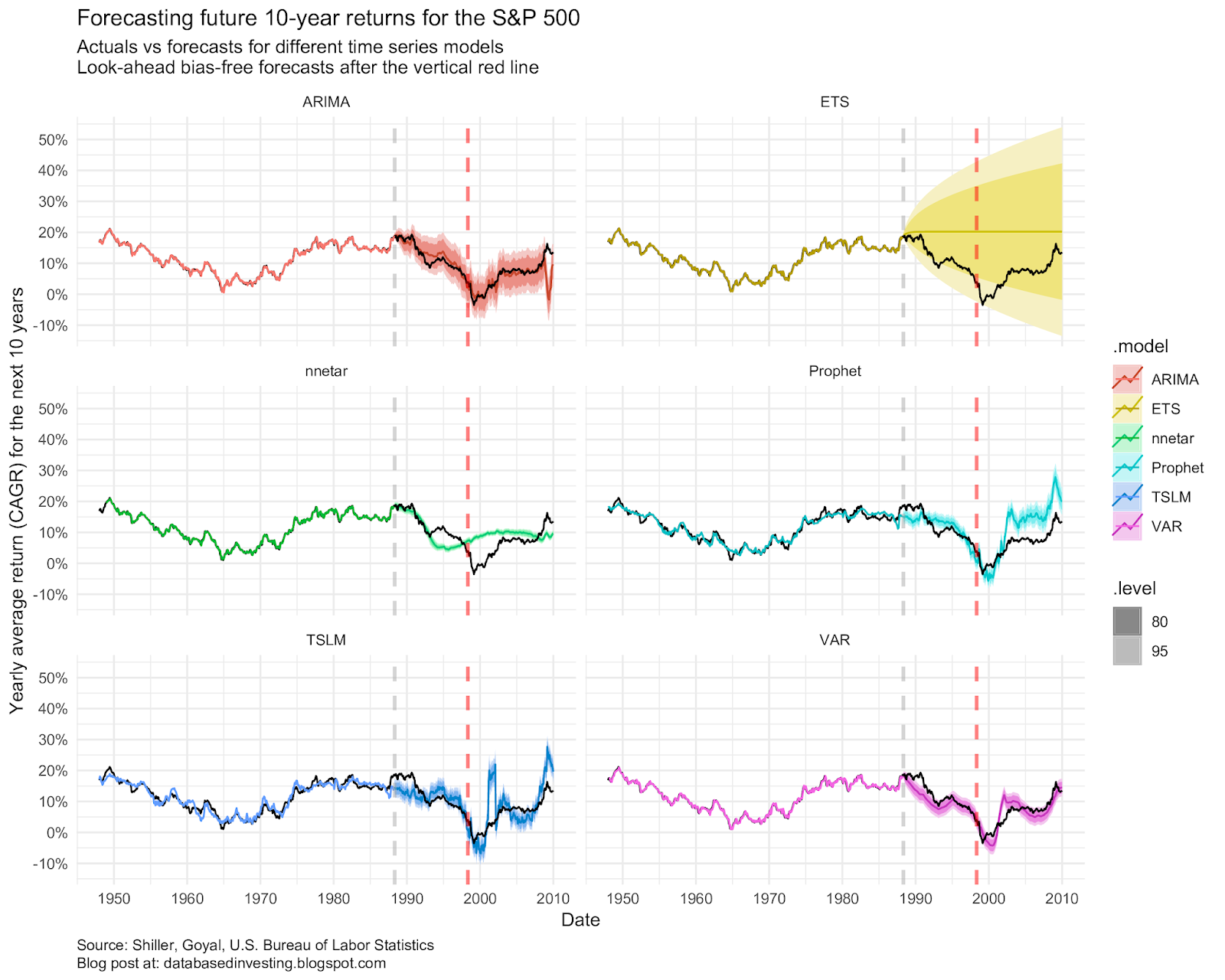
Forecasting Stocks: Navigating the Market with Predictions and Analysis
The stock market, a complex and dynamic arena, attracts investors of all levels, from seasoned professionals to newcomers. A crucial aspect of participating in this market is understanding and utilizing stock forecasting. Forecasting stocks involves predicting the future value of a company’s stock, allowing investors to make informed decisions about buying, selling, or holding shares. This article will delve into the methodologies, challenges, and importance of forecasting stocks in today’s financial landscape.
Understanding the Basics of Stock Forecasting
Forecasting stocks is not an exact science. It’s more of an art that combines data analysis, market knowledge, and a bit of intuition. Several approaches can be used, each with its strengths and weaknesses. The goal is to estimate future stock prices, enabling investors to maximize returns and minimize risks. Effective stock forecasting can provide a competitive edge in the market.
Technical Analysis
Technical analysis focuses on historical price and volume data to identify patterns and trends. Analysts use charts and indicators like moving averages, Relative Strength Index (RSI), and Fibonacci retracements to predict future price movements. These indicators help in identifying potential buy and sell signals. Technical analysis is particularly useful for short-term forecasting stocks.
- Moving Averages: Smoothing out price data to identify trends.
- Relative Strength Index (RSI): Measuring the magnitude of recent price changes to evaluate overbought or oversold conditions.
- Fibonacci Retracements: Identifying potential support and resistance levels based on Fibonacci ratios.
Fundamental Analysis
Fundamental analysis involves evaluating a company’s financial health and intrinsic value by examining its financial statements, industry trends, and economic conditions. Analysts consider factors like revenue, earnings, debt levels, and management quality to determine if a stock is undervalued or overvalued. Fundamental analysis is often used for long-term forecasting stocks. [See also: Investing in Value Stocks]
- Financial Statements: Analyzing balance sheets, income statements, and cash flow statements.
- Industry Trends: Evaluating the competitive landscape and growth potential of the industry.
- Economic Conditions: Assessing the impact of macroeconomic factors like interest rates and inflation.
Quantitative Analysis
Quantitative analysis uses mathematical and statistical models to identify patterns and predict stock prices. This approach often involves complex algorithms and data mining techniques. Quantitative analysts, or “quants,” develop models based on various factors, including market data, economic indicators, and alternative data sources. This method is becoming increasingly popular for forecasting stocks due to the availability of large datasets and advanced computing power.
The rise of artificial intelligence (AI) and machine learning (ML) has significantly impacted quantitative analysis. AI algorithms can analyze vast amounts of data and identify patterns that humans might miss, improving the accuracy of stock forecasting models. [See also: The Impact of AI on Stock Trading]
Challenges in Forecasting Stocks
Despite the sophistication of modern forecasting methods, predicting stock prices remains a challenging task. The stock market is influenced by numerous factors, many of which are unpredictable. Unexpected events, such as geopolitical crises, natural disasters, and regulatory changes, can significantly impact stock prices. Market sentiment, driven by investor psychology and news events, can also lead to irrational price movements.
Market Volatility
High market volatility makes forecasting stocks even more difficult. Sudden and sharp price swings can invalidate even the most sophisticated models. Volatility is often driven by uncertainty and fear, leading to panic selling or speculative buying. Investors need to be aware of the potential for volatility and adjust their strategies accordingly. [See also: Understanding Market Volatility]
Data Limitations
The accuracy of stock forecasting depends on the quality and availability of data. However, data can be incomplete, inaccurate, or biased. Moreover, historical data may not always be a reliable predictor of future performance, especially in rapidly changing markets. Analysts need to be critical of the data they use and consider potential limitations.
Behavioral Biases
Investor behavior is often influenced by cognitive biases, such as confirmation bias, anchoring bias, and herd mentality. These biases can lead to irrational decision-making and distort market prices. Analysts need to be aware of their own biases and those of other investors to make more objective forecasts.
The Role of News and Information in Forecasting Stocks
News and information play a crucial role in shaping investor sentiment and influencing stock prices. Positive news about a company, such as strong earnings reports or new product launches, can drive up demand for its stock. Conversely, negative news, such as regulatory investigations or product recalls, can lead to a sell-off. Analysts closely monitor news sources and social media to gauge market sentiment and identify potential opportunities or risks.
The speed at which information spreads in today’s digital age can amplify market reactions. Social media platforms, in particular, can quickly disseminate news and opinions, influencing investor behavior and driving short-term price movements. Analysts need to be able to filter out noise and focus on credible sources of information to make informed forecasts. Forecasting stocks requires constant vigilance and adaptation to the ever-changing information landscape.
Tools and Technologies for Forecasting Stocks
Advancements in technology have provided analysts with powerful tools to improve their stock forecasting capabilities. Sophisticated software platforms offer real-time data analysis, charting tools, and access to a wide range of indicators. Machine learning algorithms can analyze vast amounts of data and identify patterns that humans might miss. Cloud computing provides the scalability and processing power needed to run complex forecasting models.
- Trading Platforms: Offering real-time data, charting tools, and order execution capabilities.
- Data Analytics Software: Providing advanced statistical analysis and data visualization tools.
- Machine Learning Algorithms: Identifying patterns and predicting stock prices based on historical data.
The use of alternative data, such as satellite imagery, social media sentiment, and credit card transaction data, is also becoming increasingly popular. This data can provide insights into consumer behavior, supply chain dynamics, and other factors that can influence stock prices. Integrating alternative data into forecasting stocks models can improve their accuracy and predictive power.
Tips for Investors Using Stock Forecasts
While forecasting stocks can be a valuable tool for investors, it’s important to use forecasts with caution. No forecast is perfect, and relying solely on predictions can lead to poor investment decisions. Investors should consider the following tips when using stock forecasts:
- Diversify Your Portfolio: Don’t put all your eggs in one basket. Diversifying your investments can reduce the risk of losses.
- Conduct Your Own Research: Don’t rely solely on forecasts. Do your own due diligence and understand the companies you invest in.
- Consider Your Risk Tolerance: Choose investments that align with your risk tolerance and financial goals.
- Stay Informed: Keep up-to-date with market news and economic trends.
- Be Patient: Investing is a long-term game. Don’t expect to get rich quick.
Conclusion: The Future of Stock Forecasting
Forecasting stocks is an evolving field, driven by advancements in technology and the increasing availability of data. While predicting stock prices remains a challenging task, the use of sophisticated models and tools can improve accuracy and provide valuable insights for investors. As AI and machine learning continue to advance, we can expect to see even more sophisticated stock forecasting models emerge. However, it’s important to remember that no forecast is perfect, and investors should always use forecasts with caution and conduct their own research. Successful investing requires a combination of data analysis, market knowledge, and sound judgment. Ultimately, effective forecasting stocks contributes to informed decision-making and potentially enhanced investment outcomes. [See also: The Future of Investing]
