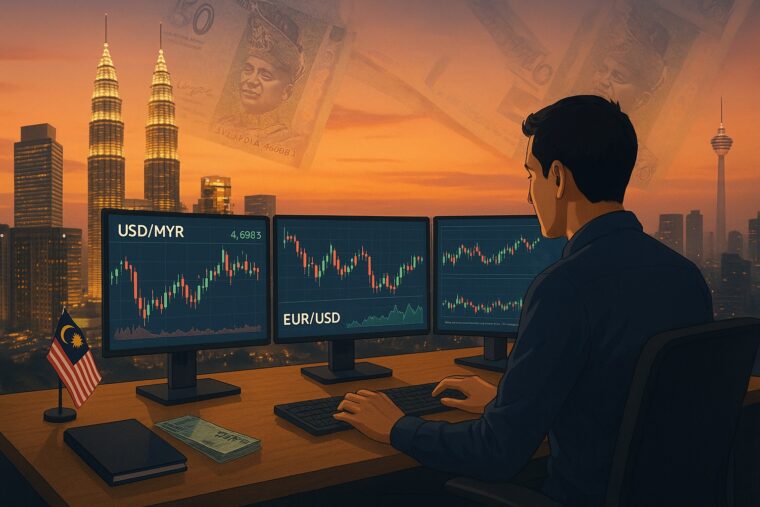
Forex Trading in Malaysia: A Comprehensive Guide for 2024
Forex trading in Malaysia has gained significant traction in recent years, attracting both seasoned investors and newcomers eager to explore the potential of the foreign exchange market. This comprehensive guide aims to provide a clear and objective overview of forex trading in Malaysia, covering essential aspects such as regulatory frameworks, popular trading platforms, strategies, and risk management techniques. Whether you’re a beginner or an experienced trader, understanding the nuances of the Malaysian forex market is crucial for making informed decisions and achieving your financial goals. The appeal of forex trading in Malaysia lies in its accessibility and potential for high returns, but it’s essential to approach it with a well-informed and cautious mindset. This article will delve into the specifics of forex trading in Malaysia, ensuring you have a solid foundation to navigate this dynamic market.
Understanding the Forex Market in Malaysia
The foreign exchange market, or forex, is a global decentralized marketplace where currencies are traded. In Malaysia, the forex market operates under the regulatory oversight of Bank Negara Malaysia (BNM), the country’s central bank. BNM’s role is to maintain financial stability and ensure that forex transactions comply with national regulations. Understanding the regulatory environment is paramount for anyone involved in forex trading in Malaysia.
The Role of Bank Negara Malaysia (BNM)
Bank Negara Malaysia plays a crucial role in regulating forex activities. While BNM doesn’t directly license forex brokers in the same way as some other countries, it does monitor and enforce regulations related to foreign exchange transactions. This includes ensuring compliance with the Exchange Control Act and other relevant laws. Traders in Malaysia should be aware of these regulations to avoid legal issues. The guidelines help to ensure that all forex trading in Malaysia is conducted legally and ethically.
Key Regulations for Forex Trading in Malaysia
Several key regulations govern forex trading in Malaysia. These include rules regarding capital controls, reporting requirements, and the types of transactions that are permitted. For instance, Malaysian residents are generally allowed to trade forex, but they may be subject to certain limitations on the amount of money they can transfer abroad for trading purposes. It’s always a good idea to keep abreast of any changes to these regulations. Staying updated on these rules is vital for anyone engaging in forex trading in Malaysia.
Choosing a Forex Broker in Malaysia
Selecting the right forex broker is a critical step for anyone looking to trade forex in Malaysia. While there are no locally licensed forex brokers due to BNM’s regulations, Malaysian traders can still access international brokers. However, it’s essential to choose a reputable and reliable broker that complies with international regulatory standards.
Factors to Consider When Selecting a Broker
When choosing a forex broker, consider factors such as regulatory compliance, trading platform, spreads and commissions, account types, and customer support. A reputable broker should be regulated by a recognized financial authority, such as the Financial Conduct Authority (FCA) in the UK or the Australian Securities and Investments Commission (ASIC). The trading platform should be user-friendly and offer the tools and features you need to trade effectively. Compare spreads and commissions to find a broker that offers competitive pricing. Also, consider the account types available and choose one that suits your trading style and capital. Reliable customer support is essential in case you encounter any issues.
Popular Forex Trading Platforms in Malaysia
Several popular forex trading platforms are accessible to traders in Malaysia. These include MetaTrader 4 (MT4), MetaTrader 5 (MT5), and cTrader. MT4 is a widely used platform known for its user-friendly interface and extensive charting tools. MT5 is the successor to MT4 and offers additional features and capabilities. cTrader is another popular platform that is known for its advanced trading tools and direct market access. Each platform has its own advantages, so it’s important to choose one that meets your specific needs and preferences. Many brokers offer demo accounts, allowing you to test the platform before committing real money. The best platform for forex trading in Malaysia depends on individual needs.
Strategies for Successful Forex Trading in Malaysia
Successful forex trading requires a well-defined strategy and a disciplined approach. There are various trading strategies that traders in Malaysia can employ, depending on their risk tolerance, trading style, and market knowledge.
Common Forex Trading Strategies
Some common forex trading strategies include day trading, swing trading, scalping, and position trading. Day trading involves opening and closing trades within the same day, aiming to profit from small price movements. Swing trading involves holding trades for several days or weeks, aiming to profit from larger price swings. Scalping involves making numerous small trades throughout the day, aiming to profit from tiny price movements. Position trading involves holding trades for several weeks or months, aiming to profit from long-term trends. Each strategy has its own advantages and disadvantages, so it’s important to choose one that suits your trading style and goals. Understanding these different methods for forex trading in Malaysia is key to success.
Developing a Trading Plan
A well-structured trading plan is essential for successful forex trading. Your trading plan should outline your trading goals, risk tolerance, trading strategy, entry and exit rules, and money management techniques. It should also include a system for tracking your trades and evaluating your performance. A trading plan helps you stay disciplined and avoid making impulsive decisions based on emotions. By sticking to your plan, you can increase your chances of achieving your trading goals. A solid trading plan is an integral part of forex trading in Malaysia.
Risk Management in Forex Trading
Risk management is a crucial aspect of forex trading. The forex market can be highly volatile, and it’s important to manage your risk effectively to protect your capital. Effective risk management is paramount for sustainable forex trading in Malaysia.
Key Risk Management Techniques
Some key risk management techniques include setting stop-loss orders, using leverage cautiously, diversifying your trades, and avoiding emotional trading. Stop-loss orders automatically close your trades when the price reaches a certain level, limiting your potential losses. Leverage can magnify your profits, but it can also magnify your losses, so it’s important to use it cautiously. Diversifying your trades across different currency pairs can help reduce your overall risk. Avoiding emotional trading and sticking to your trading plan is crucial for making rational decisions. Practicing good risk management is essential for long-term success in forex trading in Malaysia.
Understanding Leverage and Margin
Leverage allows you to control a larger position with a smaller amount of capital. While leverage can increase your potential profits, it can also increase your potential losses. Margin is the amount of capital required to open and maintain a leveraged position. It’s important to understand how leverage and margin work and to use them cautiously. Overleveraging can lead to significant losses, so it’s important to manage your leverage effectively. Understanding the intricacies of margin and leverage is crucial for forex trading in Malaysia.
The Future of Forex Trading in Malaysia
The future of forex trading in Malaysia looks promising, with increasing interest from both retail and institutional investors. As technology continues to advance, forex trading is becoming more accessible and convenient. The rise of mobile trading platforms and automated trading systems is making it easier for traders to participate in the market. However, it’s important to stay informed about regulatory changes and market developments to navigate the evolving landscape. The future of forex trading in Malaysia hinges on adaptability and informed decision-making.
Emerging Trends in Forex Trading
Several emerging trends are shaping the future of forex trading. These include the increasing use of artificial intelligence (AI) and machine learning (ML) in trading algorithms, the growing popularity of social trading platforms, and the rise of cryptocurrencies as alternative trading instruments. AI and ML can help traders analyze market data and identify trading opportunities more efficiently. Social trading platforms allow traders to copy the trades of successful traders, making it easier for beginners to learn and profit from the market. Cryptocurrencies are becoming increasingly popular as alternative trading instruments, offering new opportunities for traders to diversify their portfolios. Staying abreast of these trends is important for anyone involved in forex trading in Malaysia.
Conclusion
Forex trading in Malaysia offers significant opportunities for those who approach it with knowledge, discipline, and a well-defined strategy. Understanding the regulatory environment, choosing the right broker, developing a trading plan, and managing risk effectively are crucial for success. While the market can be volatile, with careful planning and execution, traders in Malaysia can potentially achieve their financial goals through forex trading. Remember to stay informed, continuously learn, and adapt to the evolving market conditions. The key to successful forex trading in Malaysia lies in a combination of knowledge, strategy, and risk management. [See also: Forex Trading Strategies for Beginners] [See also: Risk Management in Forex Trading] [See also: Choosing the Right Forex Broker]
