How Does Duty-Free Shopping Work? A Comprehensive Guide
Ever walked through an airport and been enticed by the seemingly incredible deals at the duty-free shops? The allure of luxury goods, alcohol, and tobacco at prices lower than you’d typically find can be hard to resist. But how does duty-free shopping work, and are you really getting a bargain? This comprehensive guide will break down the intricacies of duty-free shopping, explaining the regulations, benefits, and potential pitfalls.
Understanding Duty and Taxes
To understand how does duty-free shopping work, you first need to grasp the concept of duty and taxes. These are essentially taxes imposed by governments on imported goods. These taxes can take several forms, including:
- Customs Duty: A tax levied on goods when they cross international borders.
- Excise Duty: A tax on specific goods produced or sold within a country, often applied to alcohol, tobacco, and fuel.
- Value Added Tax (VAT) or Goods and Services Tax (GST): A consumption tax applied to the value added at each stage of the supply chain.
When you purchase goods in a regular retail setting, the price you pay typically includes these duties and taxes. Duty-free shops, however, are exempt from these charges, allowing them to offer lower prices.
The Mechanics of Duty-Free
So, how does duty-free shopping work in practice? Here’s a step-by-step breakdown:
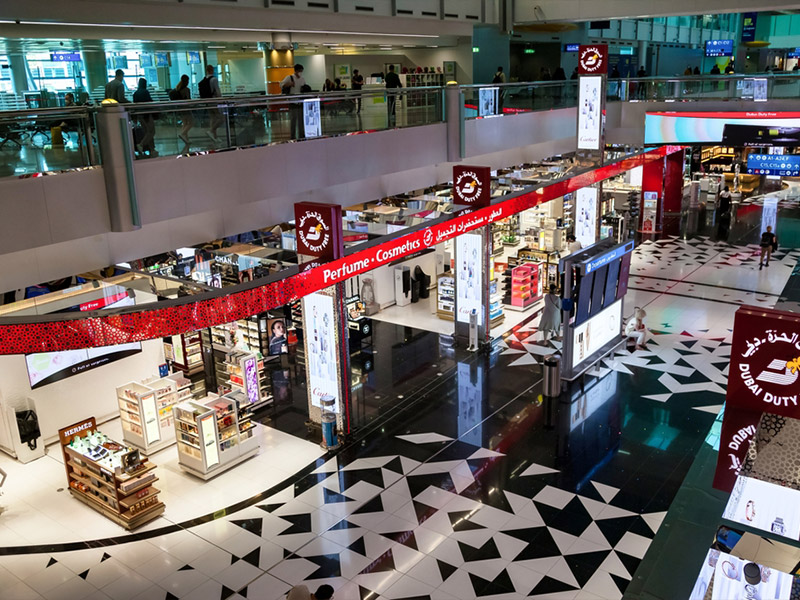
- Location, Location, Location: Duty-free shops are typically located in international airports, seaports, and border crossings. These are designated areas where goods can be sold without the usual duties and taxes.
- Exemption Status: These shops operate under a special license that allows them to import and sell goods without paying duties and taxes. This exemption is granted on the condition that the goods are sold to travelers who are taking them out of the country or region.
- Proof of Travel: To make a purchase at a duty-free shop, you’ll usually need to present your boarding pass or passport as proof that you are traveling internationally. This verifies that you are eligible to buy duty-free items.
- Restrictions and Allowances: While you can buy goods without paying duties and taxes, there are usually limits on the quantity and value of items you can purchase. These limits are set by the customs authorities of the country you are entering.
- Destination Matters: The duty-free allowance you are entitled to depends on your destination. Different countries have different regulations regarding the amount of alcohol, tobacco, and other goods you can bring in without paying duty.
Who Benefits from Duty-Free Shopping?
How does duty-free shopping work to benefit different parties? It’s not just travelers who gain from this system. Here’s a look at who benefits:
- Travelers: The most obvious beneficiaries are travelers who can purchase goods at lower prices than they would find in regular retail stores. This is especially appealing for luxury items, alcohol, and tobacco.
- Retailers: Duty-free shops benefit from increased sales volume. The lower prices attract more customers, and the strategic placement in high-traffic areas like airports ensures a steady stream of potential buyers.
- Airports and Ports: Airports and ports often receive a percentage of the revenue generated by duty-free shops. This revenue can be used to fund infrastructure improvements and other airport-related projects.
- Governments: While governments forgo duty and tax revenue on the goods sold in duty-free shops, they can benefit from increased tourism and economic activity.
What Can You Buy Duty-Free?
The selection of goods available at duty-free shops varies depending on the location and the retailer. However, some of the most common items you can find include:
- Alcohol: Liquor, wine, and beer are popular duty-free purchases.
- Tobacco: Cigarettes, cigars, and other tobacco products are often available at discounted prices.
- Perfumes and Cosmetics: Luxury perfumes, skincare products, and cosmetics are commonly sold duty-free.
- Fashion and Accessories: Some duty-free shops offer clothing, handbags, sunglasses, and other fashion accessories.
- Electronics: You might find electronics like headphones, cameras, and mobile phones, although the savings might not always be significant.
- Confectionery: Chocolates and other sweets are often popular impulse buys.
The Potential Downsides of Duty-Free Shopping
While duty-free shopping can offer significant savings, it’s important to be aware of the potential drawbacks. Understanding how does duty-free shopping work includes being aware of the cons:
- Not Always the Best Deal: Just because an item is sold duty-free doesn’t automatically mean it’s the cheapest option. It’s always a good idea to compare prices with online retailers or local stores to ensure you’re getting a genuine bargain. Currency exchange rates can also impact the final price.
- Allowance Limits: Exceeding your duty-free allowance can result in hefty fines and the confiscation of goods. Be sure to check the customs regulations of your destination country before you shop.
- Impulse Buys: The allure of duty-free shopping can lead to impulse purchases. It’s easy to get carried away and buy things you don’t really need.
- Fake or Counterfeit Goods: While rare, there is a risk of encountering fake or counterfeit goods in duty-free shops, particularly in certain regions. Always purchase from reputable retailers.
- Convenience vs. Price: Sometimes, the convenience of buying at the airport comes at a premium. You might find the same items cheaper elsewhere if you take the time to shop around.
Tips for Smart Duty-Free Shopping
To make the most of your duty-free shopping experience, consider these tips:
- Do Your Research: Before you travel, research the duty-free allowances for your destination country.
- Compare Prices: Don’t assume that duty-free is always the cheapest option. Compare prices with online retailers and local stores.
- Plan Your Purchases: Make a list of the items you want to buy and stick to it. Avoid impulse purchases.
- Check Expiry Dates: Pay attention to expiry dates, especially for cosmetics and food items.
- Keep Your Receipts: Keep your receipts as proof of purchase, in case you need to declare your goods to customs officials.
- Be Aware of Restrictions: Some countries have restrictions on the import of certain goods, such as agricultural products or certain types of medicine.
Duty-Free vs. Tax-Free: What’s the Difference?
It’s important to distinguish between duty-free and tax-free shopping. While both offer savings, they operate differently. Duty-free shopping, as discussed, involves exemption from import duties and taxes. Tax-free shopping, on the other hand, typically involves claiming a refund on the VAT or GST you paid on goods purchased in a country. This refund is usually processed at the airport or another designated location when you leave the country. [See also: VAT Refund for Tourists]
The Future of Duty-Free
The duty-free industry is constantly evolving. With the rise of e-commerce and changing consumer preferences, duty-free retailers are adapting to stay relevant. Many are offering online pre-order services, allowing travelers to browse and purchase goods before they arrive at the airport. Others are focusing on creating more experiential shopping environments to attract customers. The core principle of how does duty-free shopping work remains the same, but the way it is delivered is constantly changing.
Conclusion
Understanding how does duty-free shopping work empowers you to make informed decisions and potentially save money on your travels. While it can be a great way to purchase luxury goods, alcohol, and tobacco at lower prices, it’s essential to do your research, compare prices, and be aware of your allowance limits. By following these tips, you can enjoy a rewarding and cost-effective duty-free shopping experience. Remember to always check the latest regulations and guidelines from the customs authorities of your destination country. Happy travels and happy shopping!
