How to Cash In Bearer Bonds: A Comprehensive Guide
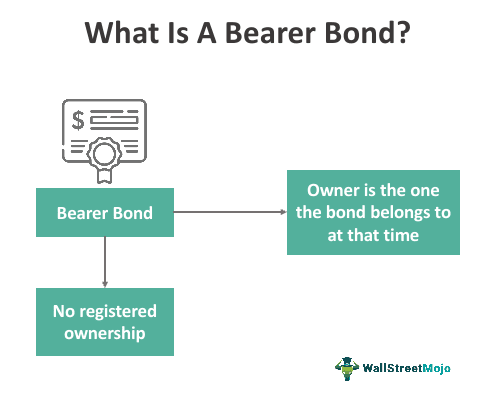
Bearer bonds, once a popular investment vehicle, are now relatively rare. These bonds, unlike registered bonds, are not recorded in an owner’s name. Ownership is determined solely by possession of the physical certificate. This anonymity made them attractive to some, but also raised concerns about their use in illicit activities. If you’ve inherited or otherwise acquired a bearer bond, understanding how to cash in bearer bonds safely and legally is crucial. This guide provides a comprehensive overview of the process, potential challenges, and important considerations.
Understanding Bearer Bonds
Before diving into the process of cashing them in, it’s important to understand what bearer bonds are and why they are less common today.
What are Bearer Bonds?
Bearer bonds are debt securities issued by corporations or governments. The key characteristic is that they are unregistered. The holder of the physical bond certificate is presumed to be the owner. Interest payments are typically collected by detaching coupons from the bond and presenting them to a bank or financial institution. The principal is redeemed when the bond matures, again by presenting the physical certificate.
Why are Bearer Bonds Less Common?
Bearer bonds have fallen out of favor due to concerns about money laundering, tax evasion, and other illegal activities. The anonymity they provide makes it difficult to track ownership and transactions, making them attractive to those seeking to avoid detection. Many countries have phased out or severely restricted the issuance of bearer bonds to combat these issues.
Steps to Cash In Bearer Bonds
Cashing in a bearer bond requires careful planning and documentation. Here’s a step-by-step guide:
Verify the Bond’s Authenticity
The first step is to verify that the bond is genuine. Counterfeit bearer bonds do exist, so it’s essential to confirm its authenticity before proceeding. Contact a reputable financial institution or bond expert to examine the bond. They can check for security features, such as watermarks and special printing techniques, and verify the bond’s details against official records (if any exist).
Determine the Bond’s Value
Once you’ve confirmed the bond’s authenticity, determine its current value. This involves several factors:
- Face Value: The amount printed on the bond certificate.
- Maturity Date: The date on which the principal is repaid.
- Interest Rate: The rate at which interest is paid (if any outstanding coupons remain).
- Market Conditions: The current market value of similar bonds.
A financial advisor or bond broker can help you assess these factors and determine the bond’s fair market value.
Locate the Issuer
Identifying the issuer of the bond is crucial for redemption. The issuer could be a corporation, a government agency, or a municipality. The issuer’s name should be printed on the bond certificate. Contact the issuer directly to inquire about the redemption process. If the issuer no longer exists (e.g., due to bankruptcy or merger), you may need to consult with a legal professional to determine the appropriate course of action.
Gather Required Documentation
When contacting the issuer, inquire about the documentation required for redemption. Typically, you will need to provide the following:
- The Original Bond Certificate: The physical bond certificate is essential.
- Proof of Identity: Government-issued identification, such as a passport or driver’s license.
- Proof of Ownership: This can be challenging with bearer bonds since ownership is presumed by possession. However, any documentation that supports your claim of ownership (e.g., inheritance documents, purchase records) can be helpful.
- Tax Identification Number (TIN): Your Social Security number or Employer Identification Number (EIN).
Be prepared to provide notarized copies of these documents, as the issuer may require them.
Redeem the Bond
Once you have gathered the necessary documentation, submit it to the issuer according to their instructions. The issuer will review your submission and, if approved, will redeem the bond. The redemption process may involve surrendering the physical bond certificate and receiving payment in the form of a check, wire transfer, or other agreed-upon method.
Challenges and Considerations
Cashing in bearer bonds can present several challenges. Here are some key considerations:
Proof of Ownership
As mentioned earlier, proving ownership can be difficult with bearer bonds. The issuer may require additional documentation or assurances to verify that you are the rightful owner. If you acquired the bond through inheritance, providing a copy of the will or estate documents can be helpful. If you purchased the bond, any records of the transaction can support your claim.
Tax Implications
The redemption of a bearer bond is subject to taxes. The interest earned on the bond is taxable income, and the difference between the bond’s face value and the amount you receive upon redemption may be subject to capital gains taxes. Consult with a tax advisor to understand the tax implications and ensure you comply with all applicable tax laws. [See also: Understanding Capital Gains Taxes]
Lost or Stolen Bonds
If the bearer bond has been lost or stolen, the redemption process becomes significantly more complicated. You will need to report the loss or theft to the issuer and provide documentation to support your claim. The issuer may require you to obtain a surety bond to protect them against potential claims from other parties who may assert ownership of the bond. Obtaining a surety bond can be costly and time-consuming.
Escheatment
If a bearer bond remains unclaimed for an extended period, it may be subject to escheatment, meaning it is turned over to the state government. Each state has its own escheatment laws, which dictate the process for claiming abandoned property. If you believe a bearer bond has been escheated, you will need to contact the relevant state agency to inquire about the claim process.
Due Diligence
Financial institutions and other entities involved in redeeming bearer bonds are required to conduct due diligence to comply with anti-money laundering (AML) regulations. This may involve scrutinizing your identity, source of funds, and the circumstances under which you acquired the bond. Be prepared to answer questions and provide documentation to satisfy these requirements.
Alternatives to Cashing In
While cashing in the bond is the most direct approach, consider these alternatives:
Selling the Bond
In some cases, you may be able to sell the bearer bond to a private investor or bond dealer. However, finding a buyer can be challenging due to the risks associated with bearer bonds. If you do find a buyer, be prepared to accept a discount to the bond’s face value.
Donating the Bond
You could donate the bearer bond to a charitable organization. This may provide you with a tax deduction, but the charity may face the same challenges in redeeming the bond. Consult with a tax advisor to determine the potential tax benefits of donating the bond.
Seeking Professional Advice
Navigating the process of cashing in bearer bonds can be complex and challenging. It is highly recommended to seek professional advice from a financial advisor, attorney, or tax advisor. These professionals can provide guidance on the legal, financial, and tax implications of redeeming the bond and help you navigate the process effectively. They can also assist in gathering the necessary documentation, communicating with the issuer, and resolving any disputes that may arise. [See also: Finding a Qualified Financial Advisor]
The Future of Bearer Bonds
Bearer bonds are unlikely to make a comeback in the financial landscape. The global trend is towards greater transparency and regulation in financial markets. The anonymity provided by bearer bonds conflicts with these trends and makes them vulnerable to misuse. While existing bearer bonds may still be redeemed, it is unlikely that new ones will be issued in the future.
Conclusion
Cashing in bearer bonds requires careful planning, thorough documentation, and potentially professional assistance. Understanding the challenges, tax implications, and alternative options is crucial for a successful outcome. While the process may be complex, with the right approach, you can redeem your bearer bond and unlock its value. Always prioritize compliance with applicable laws and regulations to avoid potential legal or financial issues. Remember to verify the bond’s authenticity, locate the issuer, gather required documentation, and seek professional advice when needed. By following these steps, you can navigate the process of cashing in bearer bonds effectively and efficiently.
