Is Everything Made in China? Unpacking Global Manufacturing Realities
It’s a common refrain, often uttered with a mix of exasperation and curiosity: “Is everything made in China?” The sheer ubiquity of Chinese-manufactured goods in our homes, stores, and even industries makes it seem like a rhetorical question. From electronics and clothing to toys and automotive parts, the “Made in China” label is seemingly everywhere. But is this perception entirely accurate? This article delves into the reality of global manufacturing, exploring the extent of China’s dominance, the factors that contributed to its rise, and the diversification trends that are reshaping the landscape.
The Rise of China as a Manufacturing Powerhouse
China’s ascent to becoming the world’s leading manufacturing hub is a story decades in the making. Several key factors converged to create this economic phenomenon.
- Economic Reforms: Deng Xiaoping’s economic reforms in the late 1970s opened China to foreign investment and market-oriented policies. This shift unleashed the country’s vast potential.
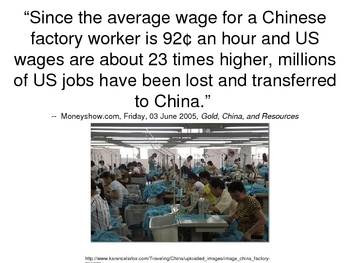
- Abundant and Low-Cost Labor: China possessed a massive labor force, willing to work for lower wages than their counterparts in developed nations. This provided a significant cost advantage.
- Infrastructure Development: The Chinese government invested heavily in infrastructure, including ports, roads, and railways, facilitating the efficient movement of goods.
- Special Economic Zones (SEZs): The creation of SEZs attracted foreign investment by offering tax incentives and streamlined regulations.
- Global Supply Chains: As multinational corporations sought to reduce costs, they increasingly outsourced manufacturing to China, integrating the country into global supply chains.
These factors combined to create a perfect storm, propelling China to the forefront of global manufacturing. The phrase “Made in China” became synonymous with affordability and mass production.
What is Actually ‘Made in China’? Exploring the Scope
While it’s true that a vast array of products are manufactured in China, the term “made” can be misleading. Often, China is the final assembly point in a complex global supply chain. Components may be sourced from various countries, with China handling the final stages of production. Consider a smartphone, for example. The display might be manufactured in South Korea, the processor in Taiwan, and the memory chips in Japan. China then assembles these components and packages the final product.
Furthermore, it’s important to distinguish between products entirely manufactured in China and those that are simply assembled there. The value added in China may vary significantly depending on the product. For some goods, China contributes a substantial portion of the manufacturing process, while for others, its role is limited to final assembly.
Therefore, while a label might say “Made in China,” it doesn’t necessarily mean that all the components or the entire manufacturing process originated there. It signifies the country where the product underwent its final transformation.
Beyond China: The Diversification of Global Manufacturing
While China remains a dominant player in global manufacturing, the landscape is evolving. Rising labor costs in China, geopolitical tensions, and the desire for supply chain resilience are driving companies to diversify their manufacturing operations. Several countries are emerging as alternative manufacturing hubs.
- Vietnam: Vietnam has become an attractive destination for manufacturers due to its relatively low labor costs, stable political environment, and strategic location.
- India: India boasts a large and growing domestic market, as well as a skilled workforce. The government is actively promoting manufacturing through initiatives like “Make in India.”
- Mexico: Mexico benefits from its proximity to the United States, offering shorter lead times and lower transportation costs for companies serving the North American market.
- Other Southeast Asian Nations: Countries like Thailand, Indonesia, and Malaysia are also attracting manufacturing investment.
This diversification is not about replacing China entirely but rather about creating more resilient and geographically diverse supply chains. Companies are adopting a “China plus one” strategy, maintaining a presence in China while also establishing manufacturing operations in other countries. This approach reduces reliance on a single source and mitigates risks associated with geopolitical events or disruptions.
The Impact of “Made in China” on Global Economies
The rise of “Made in China” has had a profound impact on global economies, both positive and negative. On the one hand, it has provided consumers with access to affordable goods, boosting living standards. It has also fueled economic growth in China, lifting millions of people out of poverty. Furthermore, it has fostered innovation and competition, as companies strive to develop new and improved products at competitive prices.
On the other hand, the shift of manufacturing to China has led to job losses in developed countries, particularly in industries that were unable to compete with China’s low labor costs. It has also raised concerns about labor practices, environmental standards, and intellectual property rights in China. The dependence on “Made in China” has also exposed vulnerabilities in global supply chains, as highlighted by the COVID-19 pandemic.
The Future of Manufacturing: Technology and Reshoring
The future of manufacturing is likely to be shaped by two key trends: technological advancements and reshoring initiatives. Automation, robotics, and artificial intelligence are transforming manufacturing processes, reducing the reliance on manual labor and enabling companies to produce goods more efficiently. This is making it more attractive for companies to reshore manufacturing operations to developed countries, where they can leverage advanced technologies and skilled workforces.
Reshoring refers to the process of bringing manufacturing back to a company’s home country. While it is unlikely to completely reverse the trend of globalization, it could lead to a more balanced distribution of manufacturing activity across the globe. Governments are also playing a role by offering incentives and tax breaks to encourage companies to reshore.
So, is everything “Made in China?” The answer is a nuanced no. While China remains a dominant force in global manufacturing, the world is not entirely dependent on it. Diversification, technological advancements, and reshoring initiatives are reshaping the landscape, creating a more complex and resilient global manufacturing ecosystem. The ubiquitous label “Made in China” is a testament to China’s past dominance, but the future of manufacturing will be more diverse and technologically driven.
The reality is that global manufacturing is a complex web of interconnected economies. While “Made in China” is a common sight, it’s essential to understand the nuances of global supply chains and the evolving dynamics that are shaping the future of manufacturing. [See also: Global Supply Chain Disruptions] The question isn’t just about where things are made, but how they are made, and the impact that production has on economies and societies worldwide.
The phrase “Made in China” has become a shorthand for globalization and the interconnectedness of the modern economy. Understanding the factors that led to China’s manufacturing dominance, as well as the forces that are driving diversification, is crucial for navigating the complexities of the global marketplace. [See also: The Impact of Globalization on Local Economies] The future of manufacturing will likely involve a more balanced distribution of production across different regions, driven by technological advancements and strategic considerations.
Ultimately, the question of whether everything is “Made in China” prompts us to consider the broader implications of global manufacturing. From the sourcing of raw materials to the final assembly of products, the manufacturing process has a far-reaching impact on economies, societies, and the environment. As consumers, businesses, and policymakers, it’s important to understand these impacts and to make informed decisions that promote sustainable and equitable manufacturing practices.
The phrase “Made in China” is not just a label; it’s a symbol of a complex and evolving global economic system. As the world continues to change, the manufacturing landscape will also adapt, driven by technological innovation, geopolitical shifts, and the pursuit of more sustainable and resilient supply chains. [See also: Sustainable Manufacturing Practices] The future of manufacturing will be shaped by our collective choices and our commitment to creating a more equitable and sustainable world.
“Is everything made in China?” is a question that reflects a deeper curiosity about the complexities of the global economy. The answer, as we have seen, is multifaceted and constantly evolving. As consumers and citizens, it’s important to stay informed and engaged in the conversations about manufacturing, trade, and the future of the global economy.
