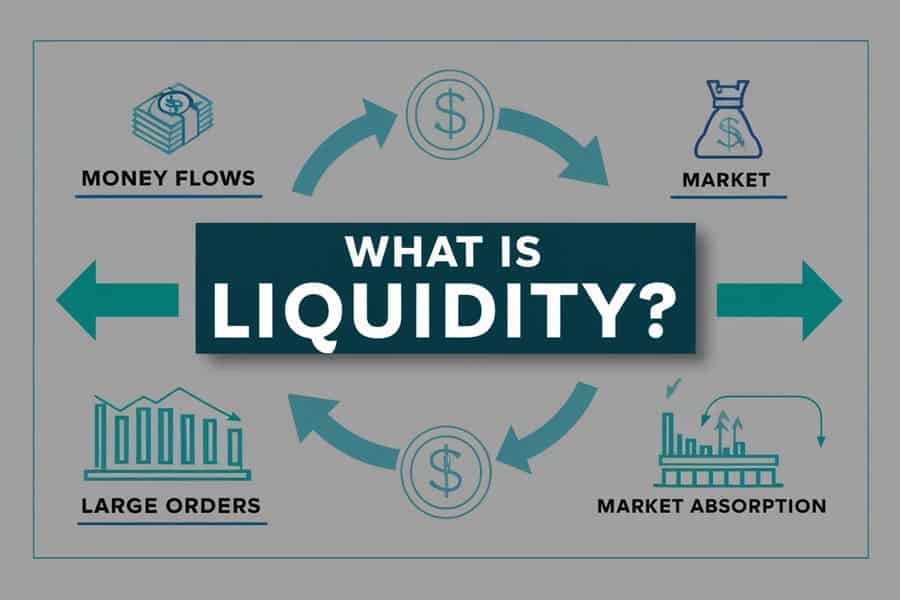
Liquidity Sweep Examples: Understanding Cash Management Strategies
In corporate finance, efficient cash management is paramount. One key strategy employed by businesses of all sizes is the liquidity sweep. Understanding liquidity sweep examples and how they function is critical for optimizing returns and minimizing idle cash. This article delves into the intricacies of liquidity sweeps, providing concrete liquidity sweep examples, explaining their benefits, and outlining different types of sweep arrangements.
What is a Liquidity Sweep?
A liquidity sweep is an automated process used by businesses to consolidate excess cash from various subsidiary accounts into a master account, often a high-yield investment account or a debt repayment account. This process is designed to maximize returns on surplus funds and reduce borrowing costs. Instead of leaving cash idle in multiple accounts, a liquidity sweep ensures that these funds are put to work, generating income or reducing interest expenses.
The primary goal of a liquidity sweep is to optimize cash flow and enhance financial performance. By centralizing cash management, companies can gain better visibility into their overall financial position, improve forecasting accuracy, and make more informed investment decisions. Furthermore, liquidity sweeps can streamline accounting processes and reduce the administrative burden associated with managing multiple bank accounts.
Benefits of Liquidity Sweeps
Implementing a liquidity sweep strategy offers several significant advantages:
- Enhanced Returns: By consolidating excess cash into a high-yield account, businesses can earn more interest than they would if the funds were scattered across multiple low-interest accounts.
- Reduced Borrowing Costs: Sweeping excess cash into a debt repayment account can lower outstanding debt balances and, consequently, reduce interest expenses.
- Improved Cash Flow Management: Centralized cash management provides a clearer picture of a company’s overall financial position, facilitating better forecasting and decision-making.
- Streamlined Accounting: Consolidating funds simplifies accounting processes and reduces the administrative burden associated with managing numerous bank accounts.
- Optimized Investment Opportunities: Having a centralized pool of funds allows businesses to take advantage of investment opportunities that might not be feasible with smaller, dispersed cash balances.
Types of Liquidity Sweep Arrangements
Several types of liquidity sweep arrangements are available, each tailored to specific business needs and financial goals. Here are some common types:
Zero-Balance Accounts (ZBAs)
ZBAs are a popular type of liquidity sweep arrangement where subsidiary accounts are maintained at a zero balance. At the end of each business day, any excess cash in the subsidiary accounts is automatically swept into a master account. Conversely, if a subsidiary account has a deficit, funds are automatically transferred from the master account to cover the shortfall. This ensures that subsidiary accounts maintain a zero balance, simplifying reconciliation and maximizing cash utilization.
Target Balance Sweeps
In a target balance sweep, subsidiary accounts are maintained at a predetermined target balance. At the end of each day, if the balance exceeds the target, the excess cash is swept into the master account. If the balance falls below the target, funds are transferred from the master account to bring the subsidiary account up to the target level. This type of liquidity sweep provides more flexibility than ZBAs, allowing businesses to maintain a buffer in their subsidiary accounts.
Threshold Sweeps
Threshold sweeps involve setting a minimum threshold for the master account. When the balance in the master account exceeds this threshold, the excess funds are automatically invested in short-term investments or used to pay down debt. This strategy helps businesses maximize returns on excess cash while ensuring that sufficient funds are available for operational needs. It’s another example of effective liquidity sweep management.
Concentration Accounts
Concentration accounts are used to consolidate funds from multiple sources into a single account. These accounts are often used by businesses with decentralized operations or multiple revenue streams. Funds are regularly swept from the various source accounts into the concentration account, providing a centralized pool of funds for investment or debt repayment. Think of it as a funnel, directing funds into a single point through a liquidity sweep.
Liquidity Sweep Examples in Practice
To illustrate how liquidity sweeps work in practice, let’s consider a few liquidity sweep examples:
Example 1: Retail Chain with Multiple Stores
A retail chain operates multiple stores across a region. Each store has its own bank account for daily sales and expenses. At the end of each day, a ZBA arrangement sweeps all excess cash from each store’s account into a central corporate account. This centralized cash is then used to pay down debt, invest in short-term securities, or fund other corporate initiatives. This liquidity sweep example demonstrates how a ZBA can streamline cash management for businesses with decentralized operations.
Example 2: Manufacturing Company with Subsidiaries
A manufacturing company has several subsidiaries, each responsible for different aspects of the production process. Each subsidiary maintains its own bank account for operational expenses. A target balance sweep is implemented, with each subsidiary maintaining a target balance of $50,000. At the end of each day, any excess cash above $50,000 is swept into the company’s master account. If a subsidiary’s balance falls below $50,000, funds are transferred from the master account to replenish the balance. This ensures that each subsidiary has sufficient funds for its operations while maximizing returns on excess cash. This is another practical liquidity sweep example that highlights the flexibility of target balance sweeps.
Example 3: Service Provider with Variable Revenue
A service provider experiences fluctuating revenue throughout the month. To optimize cash management, the company implements a threshold sweep. A minimum threshold of $100,000 is set for the company’s master account. When the balance in the master account exceeds $100,000, the excess funds are automatically invested in a short-term money market fund. This strategy allows the company to earn interest on excess cash while ensuring that sufficient funds are available for upcoming expenses. This liquidity sweep example shows how threshold sweeps can be used to manage cash flow for businesses with variable revenue streams.
Example 4: E-commerce Business with High Transaction Volume
An e-commerce business processes a high volume of transactions daily. To efficiently manage its cash flow, the company uses concentration accounts. Funds from various payment gateways and sales channels are swept into a single concentration account on a daily basis. This centralized account provides a clear view of the company’s cash position and allows for efficient allocation of funds to cover expenses and investments. The liquidity sweep in this example streamlines the process of managing high transaction volumes.
Implementing a Liquidity Sweep Strategy
Implementing a liquidity sweep strategy requires careful planning and execution. Here are some key steps to consider:
- Assess Your Cash Management Needs: Determine your company’s specific cash management goals and identify areas where a liquidity sweep could be beneficial.
- Choose the Right Type of Sweep Arrangement: Select the type of sweep arrangement that best aligns with your company’s needs and financial goals. Consider factors such as the level of control you want to maintain over subsidiary accounts and the frequency of sweeps.
- Establish Clear Policies and Procedures: Develop clear policies and procedures for managing the liquidity sweep process, including guidelines for setting target balances, thresholds, and investment strategies.
- Automate the Process: Work with your bank or financial institution to automate the liquidity sweep process, ensuring that funds are swept efficiently and accurately.
- Monitor and Review Performance: Regularly monitor the performance of your liquidity sweep strategy and make adjustments as needed to optimize results.
Potential Challenges and Considerations
While liquidity sweeps offer numerous benefits, it’s important to be aware of potential challenges and considerations:
- Bank Fees: Some banks may charge fees for liquidity sweep services. Be sure to compare fees from different providers to find the most cost-effective solution.
- Tax Implications: Sweeping funds across different legal entities may have tax implications. Consult with a tax advisor to ensure compliance with all applicable regulations.
- System Integration: Integrating liquidity sweep arrangements with your existing accounting and treasury management systems can be complex. Ensure that your systems are compatible and that data flows seamlessly between them.
- Regulatory Compliance: Be aware of any regulatory requirements that may apply to liquidity sweep arrangements, such as those related to intercompany lending and transfer pricing.
Conclusion
Liquidity sweeps are a powerful tool for optimizing cash management and enhancing financial performance. By understanding the different types of sweep arrangements and implementing a well-designed strategy, businesses can maximize returns on excess cash, reduce borrowing costs, and improve overall cash flow management. The liquidity sweep examples provided illustrate the versatility and effectiveness of this strategy in various business contexts. Whether you operate a small business or a large corporation, a liquidity sweep can help you unlock the full potential of your cash resources. By carefully considering your company’s specific needs and working with experienced financial professionals, you can implement a liquidity sweep strategy that drives tangible results.
[See also: Cash Flow Management Best Practices]
[See also: Treasury Management Strategies]
[See also: Understanding Zero Balance Accounts]
