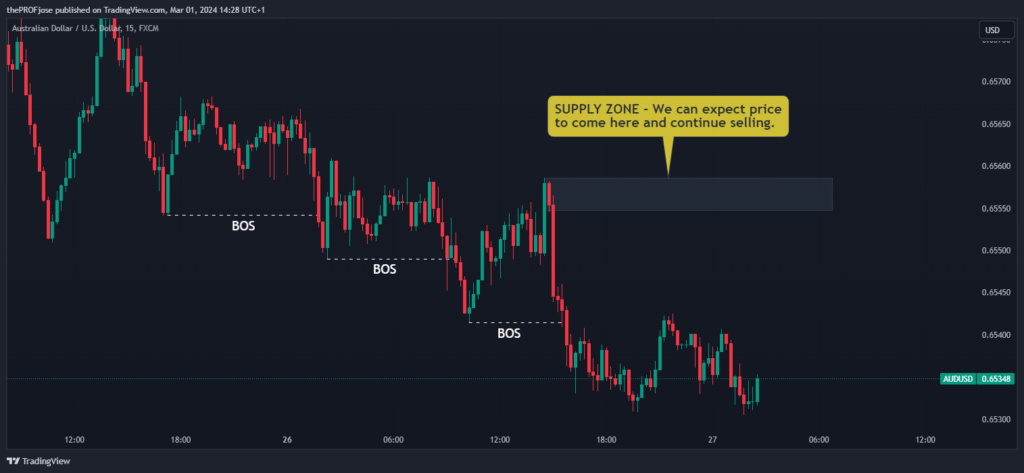
Liquidity Sweep: Understanding Market Dynamics and Strategic Implications
In the fast-paced world of financial markets, understanding the nuances of different trading strategies is crucial for both novice and seasoned investors. One such strategy that frequently surfaces in discussions is the liquidity sweep. This article delves into what a liquidity sweep is, how it works, its implications, and why it matters for anyone involved in trading or investing.
What is a Liquidity Sweep?
A liquidity sweep is a trading strategy employed to quickly fill a large order by executing trades across multiple exchanges and order books. The primary goal is to find the best available prices and sufficient volume to complete the order efficiently. Unlike traditional orders that might sit on an exchange waiting to be filled, a liquidity sweep aggressively seeks out liquidity wherever it exists.
In essence, a liquidity sweep is an aggressive market order that aims to execute a trade as quickly as possible, regardless of the price impact. This contrasts with limit orders, which specify a maximum or minimum price and may not be filled if the market doesn’t reach that level.
How Does a Liquidity Sweep Work?
The mechanics of a liquidity sweep are relatively straightforward but rely on sophisticated technology and market access. Here’s a breakdown of how it typically works:
- Order Initiation: A trader or institution initiates a large order to buy or sell a specific asset.
- Automated Execution: The order is routed through a sophisticated trading system that has access to multiple exchanges and dark pools.
- Price Discovery: The system scans the order books of various exchanges to identify the best available prices and the corresponding quantities.
- Aggressive Execution: The system executes trades across multiple venues simultaneously to fill the entire order at the best possible aggregate price. This often involves “sweeping” through the available liquidity at different price levels.
- Order Completion: Once the entire order is filled, the liquidity sweep is complete.
The speed and efficiency of a liquidity sweep depend heavily on the technology used. High-frequency trading (HFT) firms are particularly adept at using this strategy due to their advanced algorithms and low-latency connections to exchanges.
Why Use a Liquidity Sweep?
There are several reasons why traders and institutions might choose to use a liquidity sweep:
- Speed of Execution: A liquidity sweep ensures that a large order is filled quickly, minimizing the risk of adverse price movements.
- Guaranteed Fill: Unlike limit orders, a liquidity sweep is almost guaranteed to be filled, albeit potentially at varying prices.
- Market Impact: While it might seem counterintuitive, using a liquidity sweep can sometimes reduce the overall market impact of a large order by distributing the trades across multiple venues.
Implications of Liquidity Sweeps
Liquidity sweeps have several important implications for market participants:
Price Volatility
Liquidity sweeps can contribute to short-term price volatility. The aggressive nature of these orders can cause rapid price movements as the system sweeps through available liquidity. Traders need to be aware of this potential volatility and factor it into their trading strategies.
Market Efficiency
On the one hand, liquidity sweeps can enhance market efficiency by ensuring that large orders are executed quickly and at the best available prices. On the other hand, the use of liquidity sweeps by high-frequency traders can sometimes lead to concerns about fairness and market manipulation.
Order Book Dynamics
Liquidity sweeps can significantly impact order book dynamics. By quickly removing large chunks of liquidity, they can create temporary imbalances between buyers and sellers, leading to further price adjustments. Understanding how liquidity sweeps affect order books is crucial for traders who rely on order book data for their decision-making.
Liquidity Sweep vs. Other Order Types
To fully understand the role of a liquidity sweep, it’s helpful to compare it to other common order types:
Market Order
A market order is an order to buy or sell an asset at the best available price. Like a liquidity sweep, a market order aims for immediate execution. However, a market order typically executes on a single exchange, whereas a liquidity sweep seeks liquidity across multiple venues.
Limit Order
A limit order is an order to buy or sell an asset at a specific price or better. Unlike a liquidity sweep, a limit order is not guaranteed to be filled if the market doesn’t reach the specified price. Limit orders are often used by traders who want to control the price at which they buy or sell.
Stop Order
A stop order is an order to buy or sell an asset once the price reaches a specific level (the stop price). Once the stop price is reached, the stop order becomes a market order and is executed at the best available price. Stop orders are often used to limit potential losses or to protect profits.
Examples of Liquidity Sweeps in Action
To illustrate how liquidity sweeps work in practice, consider the following examples:
Example 1: Institutional Investor
An institutional investor needs to buy a large block of shares in a publicly traded company. Instead of placing a single large order on one exchange, they use a liquidity sweep to execute the order across multiple exchanges and dark pools. This allows them to fill the order quickly and with minimal price impact.
Example 2: High-Frequency Trader
A high-frequency trader detects a temporary price discrepancy between two exchanges. They use a liquidity sweep to quickly buy the asset on the exchange where it is undervalued and sell it on the exchange where it is overvalued, profiting from the arbitrage opportunity.
Example 3: News Event
A major news event triggers a sudden surge in trading volume. A trader uses a liquidity sweep to quickly exit a large position before the price moves against them. This allows them to minimize their losses and protect their capital.
Risks and Challenges
While liquidity sweeps can be beneficial, they also come with certain risks and challenges:
- Price Impact: Despite efforts to minimize it, a liquidity sweep can still have a significant impact on the price of an asset, especially if the order is very large or the market is illiquid.
- Slippage: Slippage refers to the difference between the expected price of a trade and the actual price at which it is executed. Liquidity sweeps can be subject to slippage, especially in volatile markets.
- Complexity: Implementing a liquidity sweep requires sophisticated technology and market access. It is not a strategy that is easily accessible to all traders.
The Future of Liquidity Sweeps
As financial markets continue to evolve, the role of liquidity sweeps is likely to become even more important. The increasing use of algorithmic trading and high-frequency trading will likely drive further innovation in this area. Additionally, the rise of new asset classes, such as cryptocurrencies, may create new opportunities for liquidity sweeps.
However, regulatory scrutiny of high-frequency trading practices may also increase, potentially leading to new rules and restrictions on the use of liquidity sweeps. It is important for market participants to stay informed about these developments and adapt their strategies accordingly.
Conclusion
A liquidity sweep is a powerful trading strategy that allows traders and institutions to quickly execute large orders across multiple exchanges. While it offers benefits such as speed of execution and guaranteed fill, it also comes with risks such as price impact and slippage. Understanding how liquidity sweeps work and their implications is essential for anyone involved in trading or investing in today’s dynamic financial markets.
Whether you’re an institutional investor, a high-frequency trader, or a retail investor, understanding the mechanics and implications of a liquidity sweep is crucial for navigating the complexities of modern financial markets. By staying informed and adapting your strategies accordingly, you can make more informed trading decisions and achieve your financial goals. The concept of a liquidity sweep is essential in comprehending market movements and dynamics.
[See also: Algorithmic Trading Strategies] [See also: Understanding Market Volatility] [See also: High-Frequency Trading Explained]
