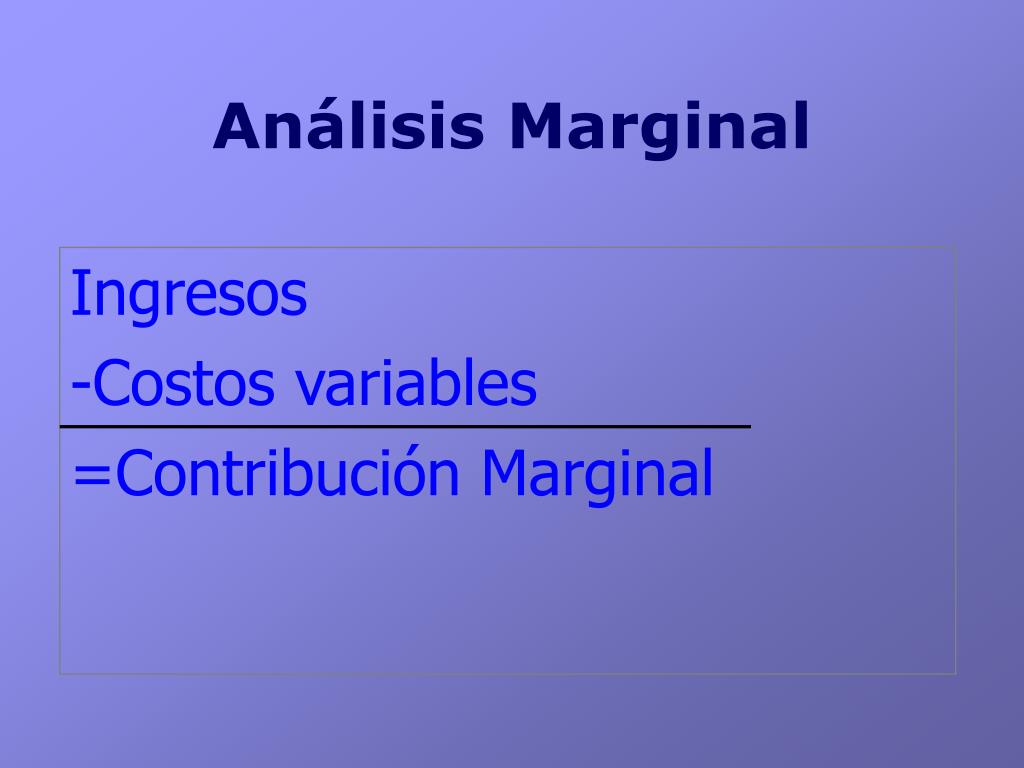
Marginal Analysis: What It Is, How It Works, and Why It Matters
In the world of economics and business, understanding the nuances of decision-making is crucial for success. One powerful tool that helps businesses and individuals make informed choices is marginal analysis. But what is marginal analysis, and why is it so important? This article will delve into the concept of marginal analysis, exploring its definition, applications, and significance in various contexts. We will also examine how this technique can be used to optimize decisions and improve overall outcomes.
Understanding the Basics of Marginal Analysis
Marginal analysis is an examination of the additional benefits of an activity compared to the additional costs incurred by that same activity. In simpler terms, it focuses on the incremental impact of a decision. The core principle revolves around comparing the marginal benefit (the additional gain) with the marginal cost (the additional expense) of a specific action. If the marginal benefit exceeds the marginal cost, the action is generally considered worthwhile. Conversely, if the marginal cost outweighs the marginal benefit, it is often wiser to forgo the action.
Defining Marginal Cost and Marginal Benefit
To fully grasp marginal analysis, it’s essential to define its two key components:
- Marginal Cost: This refers to the increase in total cost that arises from producing one additional unit of a good or service. It’s not the average cost; rather, it’s the specific cost associated with the next unit produced.
- Marginal Benefit: This represents the additional satisfaction or utility a consumer receives from consuming one additional unit of a good or service. It’s the perceived value of the next unit consumed.
How Marginal Analysis Works: A Practical Approach
The application of marginal analysis involves a systematic comparison of marginal costs and marginal benefits. Businesses and individuals can use this approach to determine the optimal level of production, consumption, or investment. Here’s a step-by-step breakdown of how it works:
- Identify the Decision: Clearly define the decision you need to make. For example, a business might be deciding whether to increase production of a particular product.
- Determine Marginal Costs: Calculate the additional costs associated with taking the action. This might include the cost of raw materials, labor, and other resources.
- Determine Marginal Benefits: Estimate the additional benefits that will result from taking the action. This could include increased revenue, improved customer satisfaction, or enhanced brand reputation.
- Compare Marginal Costs and Benefits: Compare the marginal costs and benefits to determine whether the benefits outweigh the costs.
- Make a Decision: If the marginal benefits exceed the marginal costs, proceed with the action. If the marginal costs exceed the marginal benefits, reconsider the action.
Examples of Marginal Analysis in Action
Let’s consider a few examples to illustrate how marginal analysis can be applied in different scenarios:
Example 1: Production Decisions
A manufacturing company is considering increasing its production of widgets. The marginal cost of producing each additional widget is $10. The company estimates that it can sell each additional widget for $15, resulting in a marginal benefit of $15. In this case, the marginal benefit ($15) exceeds the marginal cost ($10), so the company should increase production.
Example 2: Hiring Decisions
A small business is considering hiring an additional employee. The marginal cost of hiring the employee, including salary and benefits, is $50,000 per year. The business estimates that the employee will generate an additional $60,000 in revenue per year, resulting in a marginal benefit of $60,000. Since the marginal benefit ($60,000) exceeds the marginal cost ($50,000), the business should hire the employee.
Example 3: Investment Decisions
An individual is considering investing in a stock. The marginal cost of the investment is the amount of money required to purchase the stock. The marginal benefit is the expected return on the investment. If the expected return is higher than the cost of the investment, the individual should invest in the stock.
[See also: Cost-Benefit Analysis]
The Importance of Marginal Analysis in Business
Marginal analysis plays a vital role in various business decisions, helping companies optimize their operations and maximize profits. Here are some key areas where marginal analysis proves invaluable:
- Pricing Strategies: By understanding the marginal cost of producing each unit, businesses can set optimal prices that maximize revenue.
- Production Planning: Marginal analysis helps determine the optimal level of production by comparing the marginal cost of production with the marginal revenue generated.
- Investment Decisions: Businesses can use marginal analysis to evaluate the potential returns on investment projects and allocate resources effectively.
- Marketing Campaigns: By analyzing the marginal cost and benefit of different marketing strategies, companies can optimize their marketing spend and reach their target audience more effectively.
Limitations of Marginal Analysis
While marginal analysis is a powerful tool, it’s important to be aware of its limitations:
- Difficulty in Quantifying Benefits: In some cases, it can be challenging to accurately quantify the marginal benefits of a decision, especially when dealing with intangible factors like brand reputation or customer satisfaction.
- Assumptions of Rationality: Marginal analysis assumes that decision-makers are rational and will always choose the option that maximizes their benefit. However, in reality, people may be influenced by emotions, biases, or incomplete information.
- Ignoring Long-Term Effects: Marginal analysis typically focuses on short-term costs and benefits, and may not adequately consider the long-term implications of a decision.
- External Factors: The marginal cost and benefit can be influenced by external factors, such as changes in market conditions, technological advancements, or government regulations.
[See also: Opportunity Cost]
Marginal Analysis vs. Other Decision-Making Tools
Marginal analysis is often used in conjunction with other decision-making tools, such as cost-benefit analysis and break-even analysis. While these tools share some similarities, they also have distinct differences.
Marginal Analysis vs. Cost-Benefit Analysis
Cost-benefit analysis is a broader framework that compares the total costs and total benefits of a project or decision. Marginal analysis, on the other hand, focuses on the incremental costs and benefits of each additional unit or action.
Marginal Analysis vs. Break-Even Analysis
Break-even analysis determines the point at which total revenue equals total costs, indicating the level of sales needed to avoid losses. Marginal analysis focuses on the profitability of each additional unit sold, rather than the overall profitability of the business.
Real-World Applications Beyond Business
The principles of marginal analysis extend far beyond the realm of business. Individuals can use it in everyday decision-making:
- Time Management: Deciding whether to spend an extra hour working versus relaxing by weighing the marginal benefit of increased productivity against the marginal cost of reduced leisure time.
- Education: Evaluating whether to take an additional course by comparing the marginal benefit of increased knowledge and skills against the marginal cost of tuition and time commitment.
- Health: Determining whether to engage in an extra workout session by assessing the marginal benefit of improved fitness against the marginal cost of time and effort.
[See also: Sunk Cost Fallacy]
Conclusion: Mastering Marginal Analysis for Better Decisions
Marginal analysis is a powerful and versatile tool that can help businesses and individuals make more informed decisions. By carefully comparing the marginal costs and benefits of each action, you can optimize your choices and achieve better outcomes. While it has its limitations, understanding and applying marginal analysis can significantly improve your decision-making skills in a wide range of contexts. So, the next time you face a decision, remember to ask yourself: what are the marginal costs and benefits? The answer may surprise you and lead you to a more profitable or fulfilling outcome.
