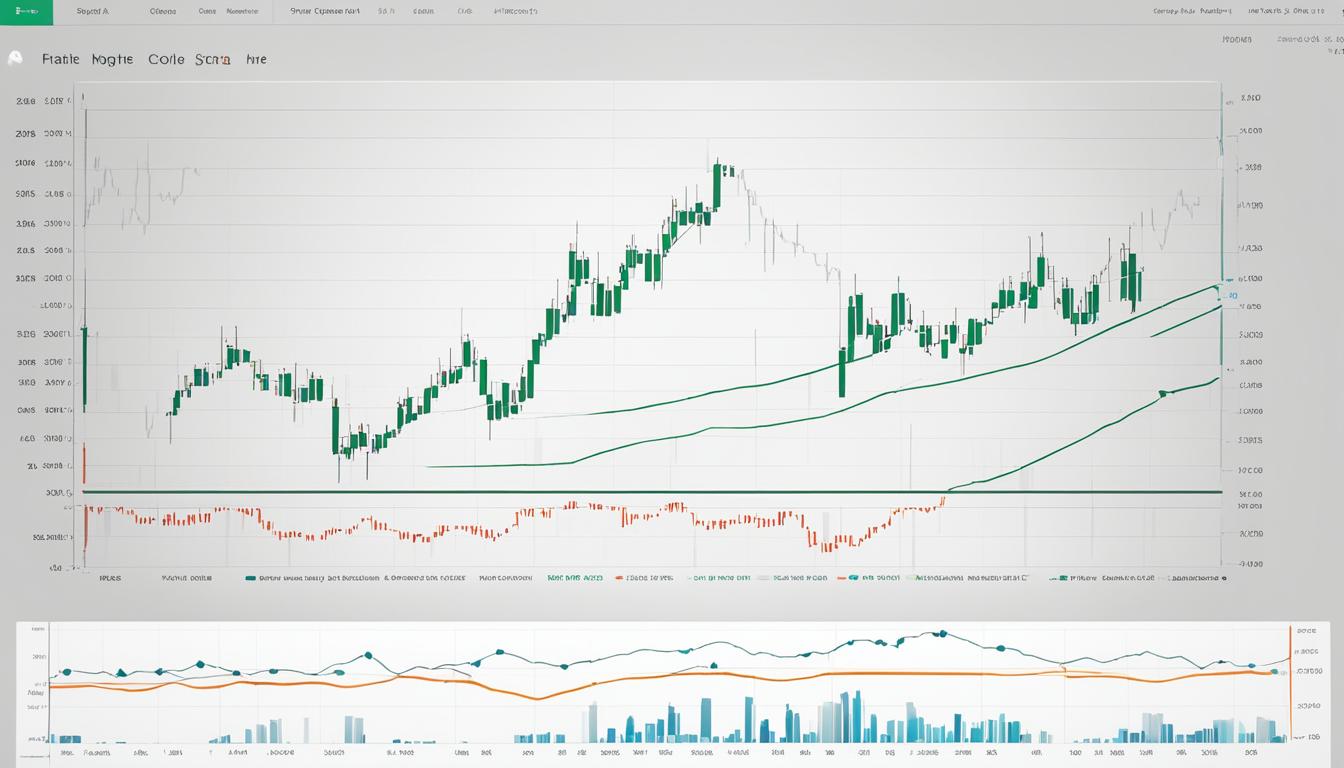
Market Forecast for Today: Navigating Economic Tides
Understanding the market forecast for today is crucial for investors, businesses, and individuals alike. Economic landscapes are constantly shifting, influenced by a complex interplay of factors ranging from geopolitical events to technological advancements. This article provides an in-depth analysis of the current market conditions, offering insights into potential trends and strategies for navigating the economic tides. The market forecast for today considers a multitude of variables to provide a comprehensive outlook.
Global Economic Overview
The global economy is currently facing a mixed bag of signals. While some regions are experiencing robust growth, others are grappling with inflationary pressures and supply chain disruptions. The International Monetary Fund (IMF) recently revised its global growth forecast, citing concerns over rising interest rates and geopolitical instability. This revision underscores the importance of staying informed about the market forecast for today.
- Inflation: Persistent inflation remains a major concern for central banks worldwide. The Federal Reserve, the European Central Bank, and other monetary authorities are closely monitoring inflation data and adjusting their policies accordingly.
- Supply Chain Disruptions: While some supply chain bottlenecks have eased, others persist, particularly in sectors reliant on raw materials and semiconductors. These disruptions continue to impact production costs and delivery times.
- Geopolitical Risks: The ongoing geopolitical tensions, including the war in Ukraine and rising tensions in other regions, are creating uncertainty and volatility in global markets.
Key Market Sectors: A Detailed Look
To provide a more granular market forecast for today, it’s essential to examine key market sectors individually. Each sector faces unique challenges and opportunities, influenced by specific factors and trends.
Technology Sector
The technology sector remains a dynamic and rapidly evolving landscape. Despite recent market corrections, the long-term outlook for technology remains positive, driven by trends such as artificial intelligence (AI), cloud computing, and the Internet of Things (IoT). Investors should pay close attention to companies with strong innovation pipelines and sustainable business models. The market forecast for today suggests selective opportunities within the tech sector.
Energy Sector
The energy sector is heavily influenced by geopolitical events and supply-demand dynamics. Rising oil prices and increasing demand for renewable energy sources are creating both challenges and opportunities for energy companies. The transition to a low-carbon economy is driving innovation in areas such as solar, wind, and hydrogen. Understanding the market forecast for today in the energy sector requires considering these complex factors.
Financial Sector
The financial sector is closely tied to interest rates and economic growth. Rising interest rates can impact bank profitability and loan demand, while economic slowdowns can lead to increased credit risk. However, the financial sector also benefits from increased trading activity and investment flows. The market forecast for today in the financial sector depends on the overall macroeconomic outlook and regulatory environment.
Real Estate Sector
The real estate sector is sensitive to interest rates, inflation, and demographic trends. Rising interest rates can dampen housing demand and put downward pressure on property prices. However, strong population growth and limited housing supply in certain areas can support prices. Commercial real estate is also facing challenges due to the shift towards remote work. The market forecast for today in real estate requires careful analysis of local market conditions.
Factors Influencing Today’s Market
Several key factors are influencing the market forecast for today. These include:
- Interest Rate Hikes: Central banks are raising interest rates to combat inflation. This can impact borrowing costs, investment decisions, and economic growth.
- Inflation Data: Inflation data releases are closely watched by investors and policymakers. Higher-than-expected inflation can lead to further interest rate hikes and market volatility.
- Geopolitical Events: Geopolitical events, such as wars, political instability, and trade disputes, can create uncertainty and disrupt global markets.
- Economic Indicators: Economic indicators, such as GDP growth, unemployment rates, and consumer confidence, provide insights into the health of the economy and can influence market sentiment.
- Corporate Earnings: Corporate earnings reports provide information about the financial performance of companies and can impact stock prices and investor confidence.
Strategies for Navigating Market Volatility
Given the current market volatility, it’s essential to have a well-defined investment strategy. Here are some strategies for navigating the economic tides:
- Diversification: Diversifying your portfolio across different asset classes, sectors, and geographies can help reduce risk.
- Long-Term Perspective: Focus on long-term investment goals and avoid making emotional decisions based on short-term market fluctuations.
- Risk Management: Assess your risk tolerance and adjust your portfolio accordingly. Consider using hedging strategies to protect against potential losses.
- Stay Informed: Stay informed about market trends, economic indicators, and geopolitical events. Read reputable financial news sources and consult with financial advisors.
- Rebalancing: Periodically rebalance your portfolio to maintain your desired asset allocation.
Expert Opinions and Predictions
Many experts offer their insights into the market forecast for today. While their opinions may vary, there are some common themes:
- Cautious Optimism: Many experts remain cautiously optimistic about the long-term outlook for the global economy, but acknowledge the near-term challenges.
- Selective Opportunities: Experts are emphasizing the importance of being selective in investment decisions, focusing on companies with strong fundamentals and sustainable business models.
- Active Management: In a volatile market, active portfolio management can be beneficial, allowing investors to adjust their positions based on changing market conditions.
Conclusion: Preparing for the Future
The market forecast for today presents a complex and evolving picture. By understanding the key factors influencing the market, developing a well-defined investment strategy, and staying informed about market trends, investors can navigate the economic tides and achieve their financial goals. It’s crucial to remember that market forecasts are not guarantees, and past performance is not indicative of future results. However, by carefully analyzing the available information and seeking expert advice, investors can make informed decisions and prepare for the future. The market forecast for today is only a snapshot in time; continuous monitoring and adaptation are key. Remember to consult with a financial advisor before making any investment decisions. The market forecast for today suggests both challenges and opportunities, requiring a balanced and informed approach. The market forecast for today highlights the importance of diversification and risk management. The market forecast for today underscores the need for staying informed and adaptable. Ultimately, understanding the market forecast for today empowers individuals and businesses to make strategic decisions that align with their long-term objectives. [See also: Understanding Economic Indicators] [See also: Investment Strategies for Beginners] [See also: Managing Risk in a Volatile Market]
