Mastering Softball Defensive Situations: A Comprehensive Guide (PDF)
Softball is a game of strategy, precision, and quick decision-making, especially when it comes to defensive plays. Understanding and executing defensive strategies effectively can be the difference between winning and losing. This comprehensive guide explores various softball defensive situations, offering insights and techniques that can be further enhanced through resources like a softball defensive situations PDF. Whether you’re a coach, player, or simply a fan of the game, this article aims to provide a thorough understanding of how to handle different scenarios on the field.
The Importance of Understanding Softball Defensive Situations
In softball, every play presents a unique challenge. Unlike some sports with more predictable patterns, softball’s dynamic nature requires players to react instantly and intelligently to a variety of situations. A team’s ability to anticipate, communicate, and execute defensive plays effectively can significantly impact the outcome of a game. This is why understanding and practicing various softball defensive situations is crucial.
Furthermore, a strong defensive strategy minimizes errors and maximizes opportunities to get outs. It also boosts team morale and fosters a sense of confidence on the field. From routine ground balls to complex rundown plays, knowing what to do in any given situation is paramount.
Basic Defensive Positions and Responsibilities
Before diving into specific softball defensive situations, it’s essential to understand the roles and responsibilities of each defensive position:
- Pitcher: Controls the game’s tempo, fields bunts, covers first base on certain plays, and backs up home plate.
- Catcher: Directs the defense, fields bunts, throws out runners attempting to steal, and catches pop-ups around home plate.
- First Baseman: Covers first base, fields ground balls, takes throws from other infielders, and handles pick-off attempts.
- Second Baseman: Covers second base, fields ground balls, turns double plays, and backs up first base on certain plays.
- Shortstop: Covers second and third base, fields ground balls, turns double plays, and is often the defensive captain.
- Third Baseman: Covers third base, fields ground balls, makes long throws to first base, and defends against bunts.
- Outfielders (Left, Center, Right): Catch fly balls, back up infielders, and throw runners out at bases. Each outfielder has specific responsibilities depending on the game situation.
Understanding these basic responsibilities is the foundation for mastering more complex softball defensive situations.
Common Softball Defensive Situations and How to Handle Them
Let’s explore some common softball defensive situations and outline the best strategies for handling them:
Runner on First Base, No Outs
This is a common scenario. The defense needs to prevent the runner from advancing into scoring position. Key strategies include:
- Pitcher: Focus on getting ahead in the count to induce a ground ball. Be prepared to field a bunt.
- Catcher: Be ready to throw out a runner attempting to steal second base.
- Infielders: Be in a good position to field a ground ball and turn a double play. The shortstop typically covers second base on a steal attempt, while the second baseman covers the base on a bunt.
- Outfielders: Be aware of the possibility of a hit-and-run play.
A softball defensive situations PDF often includes diagrams and drills to practice these scenarios. Communication is key; infielders must communicate who is covering which base.
Runner on Second Base, Less Than Two Outs
With a runner in scoring position, the focus shifts to preventing them from scoring. Strategies include:
- Pitcher: Work the corners of the plate and avoid throwing pitches over the middle.
- Catcher: Call pitches strategically to minimize the chance of a passed ball or wild pitch.
- Infielders: Play closer to the infield and be ready to field a ground ball. The first baseman needs to be aware of the possibility of a squeeze play.
- Outfielders: Play shallower and be ready to throw the runner out at home plate.
The softball defensive situations PDF might detail specific cutoff plays in this situation, ensuring the defense can prevent the runner from advancing further on a hit.
Runners on First and Second, No Outs
This is a high-pressure situation where preventing a big inning is crucial. Strategies include:
- Pitcher: Focus on throwing strikes and inducing a ground ball.
- Catcher: Be prepared for a potential double steal.
- Infielders: Be in a good position to field a ground ball and force out the lead runner at third base or turn a double play.
- Outfielders: Play deep and be ready to make a long throw to home plate.
A well-executed rundown play can be essential in this scenario. The softball defensive situations PDF should outline the proper techniques for executing rundown plays effectively.
Runner on Third Base, Less Than Two Outs
With a runner on third, the defense must prevent the run from scoring. Strategies include:
- Pitcher: Avoid throwing pitches that are easily bunted.
- Catcher: Be alert for a squeeze play or a passed ball.
- Infielders: Play in and be ready to field a ground ball. The first baseman needs to be particularly aware of the squeeze play.
- Outfielders: Play shallow and be ready to throw the runner out at home plate.
[See also: Coaching Youth Softball: Effective Drills and Strategies] A key element is communication between the pitcher and catcher to anticipate possible plays.
Two Outs, Any Runners on Base
With two outs, the focus shifts to getting the final out and ending the inning. Strategies include:
- Pitcher: Attack the strike zone and try to get the batter to swing.
- Catcher: Focus on catching the ball cleanly.
- Infielders: Play at normal depth and be ready to field a ground ball.
- Outfielders: Play at normal depth and be ready to catch a fly ball.
The defensive approach becomes more straightforward, emphasizing solid fielding and pitching to secure the final out. The softball defensive situations PDF may include examples of how to adjust fielding positions slightly depending on the batter’s tendencies.
Specific Defensive Plays and Techniques
Beyond general situations, certain defensive plays require specific techniques and practice:
Rundown Plays
A rundown occurs when a runner is caught between bases. The key to a successful rundown is quick, accurate throws and clear communication. Players should run the runner back towards the base they came from, forcing them to commit before making the tag. The softball defensive situations PDF usually includes detailed diagrams of proper rundown positioning and technique.
Cutoff Plays
Cutoff plays involve an outfielder throwing the ball to an infielder who then throws to another base. This prevents runners from advancing unnecessarily. Clear communication and accurate throws are essential. The cutoff player must be positioned correctly to intercept the throw and make a quick decision. Learning cutoff plays is a vital part of understanding softball defensive situations.
Bunt Defenses
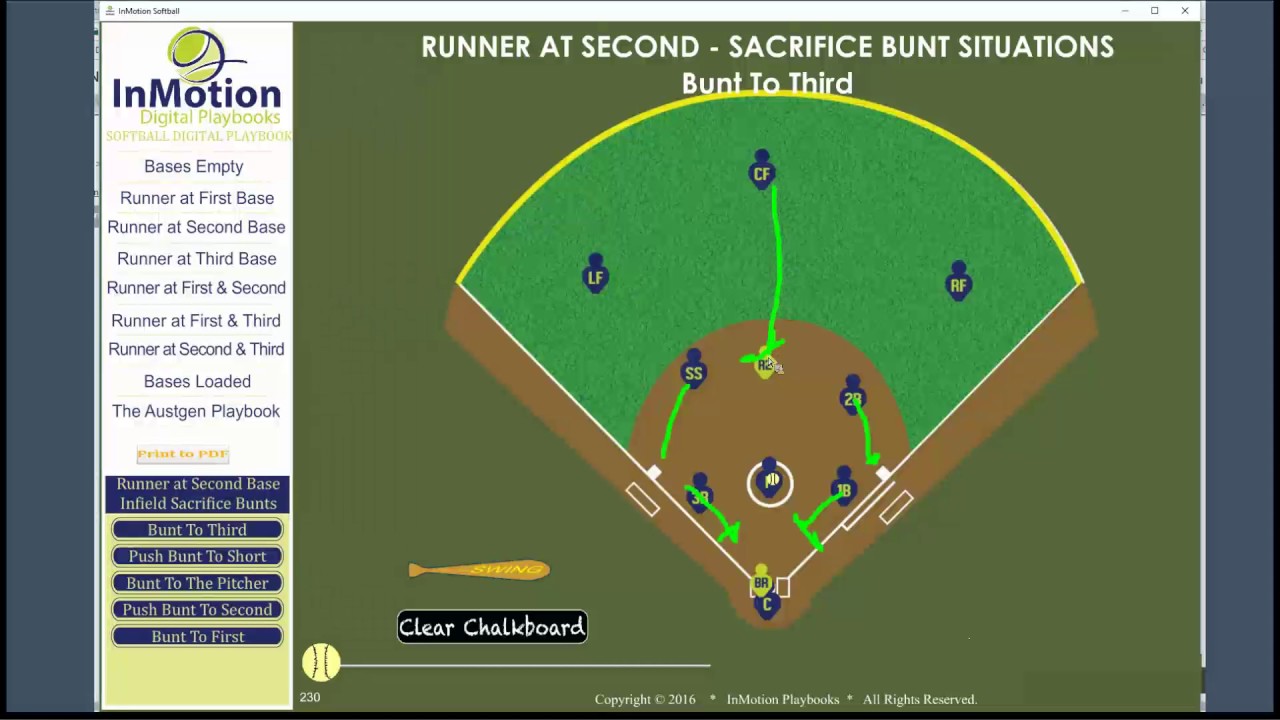
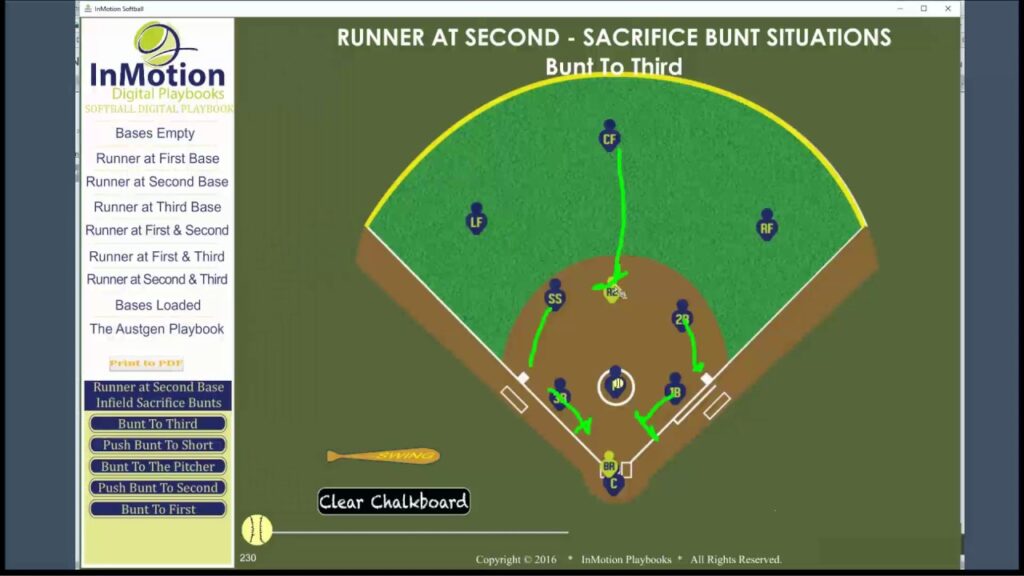
Defending against bunts requires quick reactions and precise fielding. The pitcher and catcher must react quickly to field the bunt, while the first and third basemen charge towards the plate. Infielders must communicate effectively to determine who will cover which base. Drills focusing on bunt defense are often included in a softball defensive situations PDF.
Steal Attempts
Preventing stolen bases requires a strong catcher with a quick release and accurate throw. The pitcher must also be aware of the runner and vary their timing to disrupt the steal attempt. Infielders need to be ready to cover the base being stolen. Practicing steal defense is a crucial component of mastering softball defensive situations.
Using a Softball Defensive Situations PDF for Training
A softball defensive situations PDF is a valuable resource for coaches and players alike. These PDFs typically include:
- Diagrams of different defensive alignments
- Detailed explanations of various scenarios
- Drills to practice specific plays
- Tips for improving communication and teamwork
By studying and practicing the information contained in a softball defensive situations PDF, teams can improve their defensive performance and increase their chances of success. These resources often break down complex plays into easy-to-understand steps, making them ideal for players of all skill levels.
Advanced Defensive Strategies
Beyond the basics, advanced defensive strategies can give a team a competitive edge. These strategies include:
- Shifting the Defense: Adjusting the positioning of infielders and outfielders based on the batter’s tendencies.
- Using Defensive Signals: Implementing a system of signals to communicate defensive plays and adjustments.
- Analyzing Opponent Tendencies: Studying the opponent’s offensive patterns to anticipate their strategies.
[See also: The Ultimate Guide to Softball Pitching Mechanics] Implementing these advanced strategies requires a deep understanding of the game and a commitment to continuous improvement. It’s important to have a solid foundation in the basic softball defensive situations before moving on to more complex tactics.
The Role of Communication in Effective Defense
Effective communication is the cornerstone of a strong softball defense. Players must communicate clearly and concisely to ensure everyone is on the same page. Communication includes:
- Calling out fly balls
- Indicating who is covering which base
- Alerting teammates to potential steal attempts
- Confirming cutoff and relay plays
Without clear communication, even the most talented players can make mistakes. Encourage players to talk to each other constantly on the field. A softball defensive situations PDF often emphasizes the importance of communication and provides examples of effective communication strategies.
Conclusion: Mastering Softball Defensive Situations
Mastering softball defensive situations is essential for any team that wants to compete at a high level. By understanding the responsibilities of each position, practicing common scenarios, and developing strong communication skills, teams can significantly improve their defensive performance. Utilizing resources like a softball defensive situations PDF can provide valuable insights and drills to enhance training. Remember, a strong defense not only prevents runs but also instills confidence and momentum within the team. So, take the time to study, practice, and communicate, and watch your team’s defensive prowess soar.
