Mastering Softball: Defensive Situations PDF Guide to Elevate Your Game
Softball, a sport of strategy, skill, and split-second decisions, demands a deep understanding of defensive situations. Whether you’re a seasoned coach, an aspiring player, or a dedicated fan, grasping the nuances of defensive plays is crucial for success on the diamond. This comprehensive guide explores various softball defensive situations, enhanced by the convenience of a softball defensive situations PDF, designed to elevate your game and provide you with the knowledge needed to make smart decisions in critical moments. We’ll delve into specific scenarios, covering everything from infield plays to outfield strategies, ensuring you’re well-prepared for any challenge.
Understanding the Basics of Softball Defense
Before diving into specific softball defensive situations, it’s essential to establish a solid foundation of defensive principles. Every player on the field has a crucial role, and understanding their responsibilities is key to a cohesive and effective defense. This includes knowing where to position yourself based on the batter, the number of outs, and the base runners. Communication is paramount. Players must communicate effectively to avoid collisions, cover bases, and execute plays flawlessly. A well-drilled defense can turn potential hits into outs, shifting the momentum of the game.
The Importance of Positioning
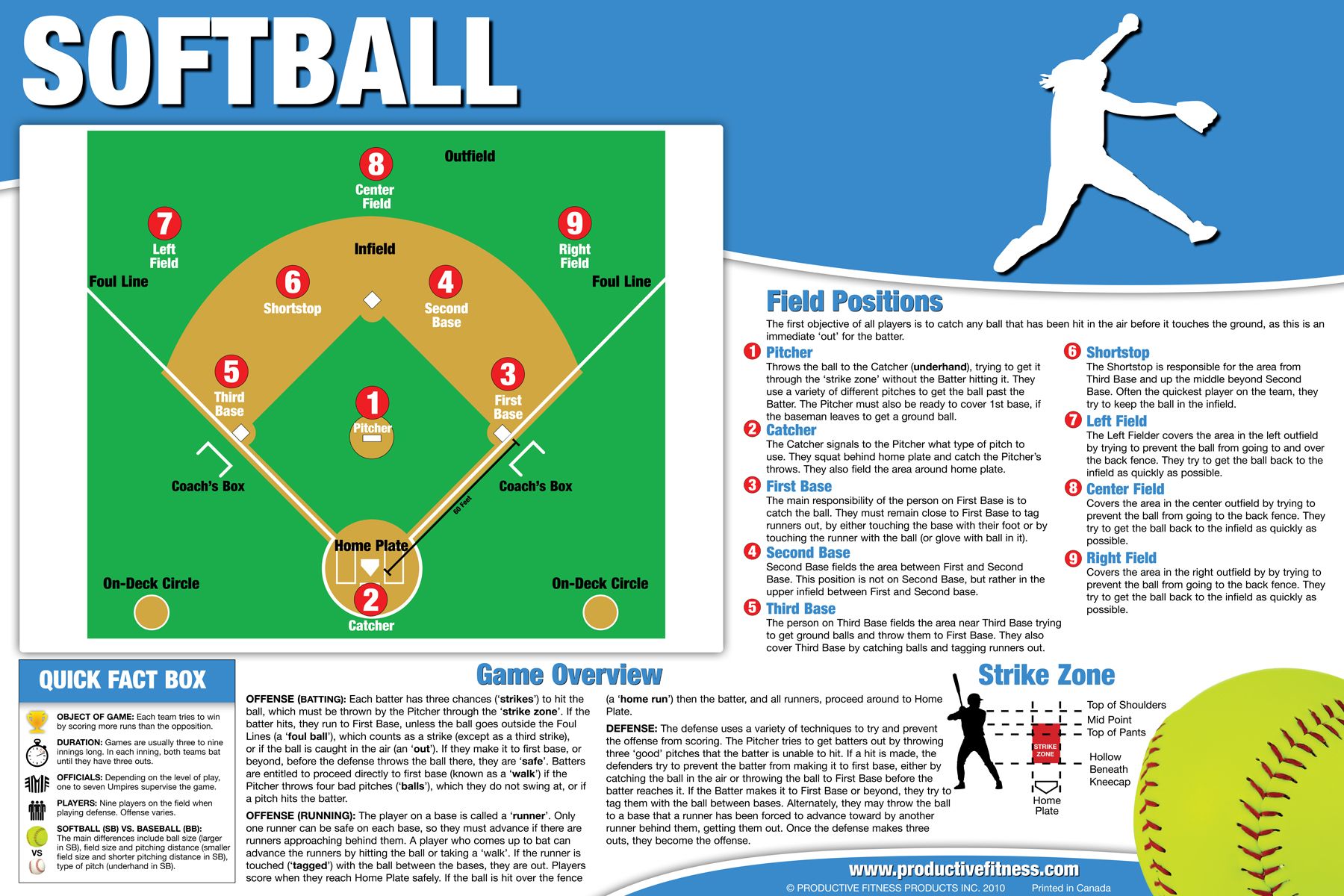
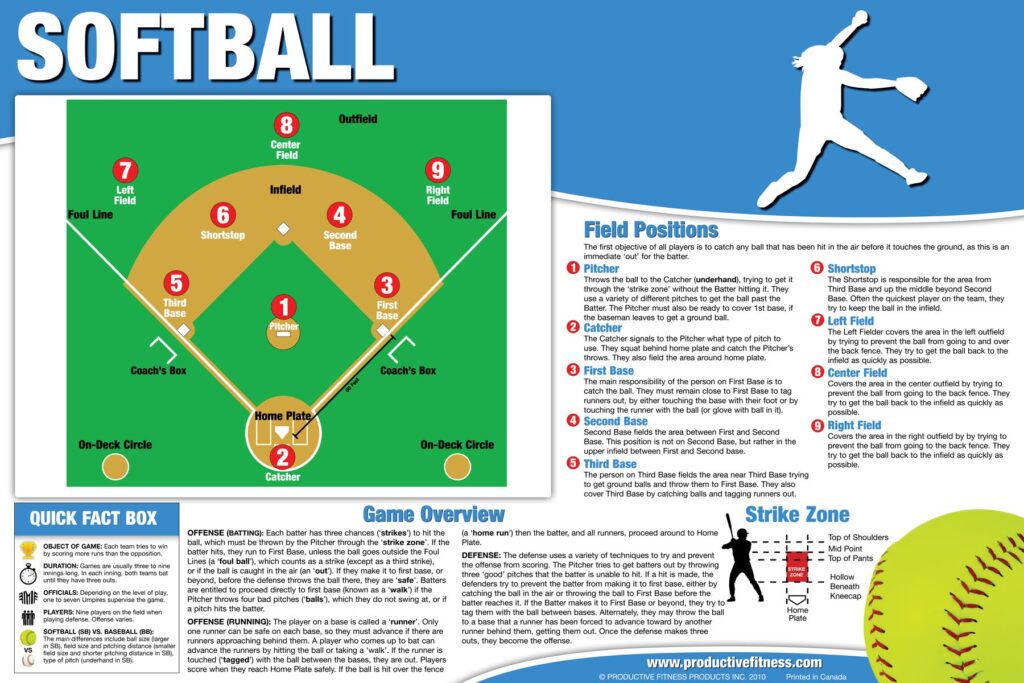
Proper positioning is the cornerstone of a strong defense. Infielders need to adjust their depth and angle based on the batter’s tendencies and the game situation. Outfielders must consider the speed and trajectory of the ball, as well as the wind conditions. A softball defensive situations PDF often includes diagrams illustrating optimal positioning for various scenarios, providing a visual aid for players and coaches. Knowing where to be before the pitch is thrown significantly increases the chances of making a successful play.
Communication is Key
A silent defense is a vulnerable defense. Players must communicate constantly, calling out fly balls, indicating who is covering which base, and alerting teammates to potential hazards. Simple phrases like “I got it!” or “Take two!” can prevent costly errors and ensure that everyone is on the same page. Encourage players to be vocal and proactive in their communication. This not only improves their individual performance but also strengthens the overall defensive unit. The softball defensive situations require clear and immediate communication between all players involved.
Common Softball Defensive Situations and Strategies
Let’s examine some common softball defensive situations and the strategies for handling them effectively. These situations range from routine ground balls to complex plays with runners on base. A softball defensive situations PDF can serve as a valuable reference tool for players and coaches, providing detailed instructions and diagrams for each scenario.
Ground Balls with No Runners On
This is the most basic defensive play in softball. The infielder fields the ground ball cleanly and makes a strong, accurate throw to first base. The first baseman must be ready to receive the throw and secure the out. Emphasize the importance of fielding the ball cleanly and making a quick transition to throwing. Practice these plays repeatedly to develop muscle memory and ensure consistency.
Force Plays at Second and Third Base
When there are runners on first or first and second, the defense has the opportunity to make a force out at second or third base. The infielder covering the base must anticipate the throw and be ready to make a quick tag. Communication between the infielders is crucial to ensure that the correct base is covered. Train your middle infielders to execute double plays efficiently and accurately.
Tag Plays
Tag plays occur when a runner is not forced to advance and must be tagged out. This often happens when a runner attempts to steal a base or advance on a passed ball. The defender must receive the ball and apply a tag to the runner before they reach the base. Practice tag plays regularly to improve reaction time and ensure that players understand the proper technique.
Cutoff Plays
Cutoff plays are used to prevent runners from advancing too far on a hit to the outfield. The cutoff player positions themselves between the outfielder and the intended base, ready to intercept the throw and make a play on a different runner. Effective cutoff plays require excellent communication and anticipation. The softball defensive situations guide should illustrate how to execute these plays flawlessly.
Plays at the Plate
Plays at the plate are among the most exciting and crucial defensive situations in softball. The catcher must be prepared to receive the throw and make a tag on the runner attempting to score. The catcher’s positioning, footwork, and ability to handle pressure are all critical factors in these plays. Train your catchers to be aggressive and fearless in protecting the plate.
Advanced Defensive Strategies
Beyond the basic plays, there are several advanced defensive strategies that can give your team a competitive edge. These strategies require a deeper understanding of the game and a high level of execution. A softball defensive situations PDF can provide detailed explanations and diagrams of these advanced strategies.
Defensive Shifts
Defensive shifts involve repositioning players based on the batter’s tendencies. If a batter consistently hits to the opposite field, for example, the infielders may shift towards that side of the field. Defensive shifts can be highly effective, but they also require careful planning and communication. Analyze the opposing team’s hitters and adjust your defensive alignment accordingly.
Pickoff Plays
Pickoff plays are designed to catch runners off base. These plays require precise timing and coordination between the pitcher and the infielder. Pickoff plays can be a valuable weapon, but they must be executed flawlessly to avoid throwing errors or allowing the runner to advance. Practice pickoff plays regularly and emphasize the importance of timing and accuracy.
First and Third Situations
First and third situations present a unique set of challenges for the defense. The runner on third is a constant threat to score, while the runner on first may attempt to steal second. The defense must be prepared to handle a variety of scenarios, including double steals, delayed steals, and squeeze plays. A softball defensive situations plan is critical in these moments.
Utilizing a Softball Defensive Situations PDF
A softball defensive situations PDF can be an invaluable tool for coaches and players. It provides a comprehensive resource for understanding and practicing various defensive plays. Look for PDFs that include diagrams, detailed instructions, and real-life examples. These resources can help you visualize the plays and understand the nuances of each situation. Many coaching websites and softball organizations offer free or low-cost softball defensive situations PDF guides. Take advantage of these resources to enhance your knowledge and improve your team’s defensive performance.
Key Elements to Look for in a Defensive Situations PDF
- Clear Diagrams: Visual aids are essential for understanding complex plays.
- Detailed Instructions: Step-by-step instructions ensure that players understand their roles and responsibilities.
- Real-Life Examples: Examples from actual games help illustrate how the plays are executed in practice.
- Drills and Practice Plans: Drills and practice plans provide a structured approach to improving defensive skills.
Drills to Improve Defensive Skills
To effectively implement defensive strategies, it’s crucial to incorporate specific drills into your practice routine. These drills should focus on improving reaction time, footwork, throwing accuracy, and communication. Here are a few examples:
Ground Ball Drills
Set up cones to simulate different types of ground balls (e.g., slow rollers, hard-hit balls). Have infielders practice fielding the balls cleanly and making accurate throws to first base. Vary the drill by adding runners and incorporating force plays at second base. The effectiveness of your softball defensive situations relies on consistent practice.
Fly Ball Drills
Have outfielders practice tracking and catching fly balls. Vary the drill by hitting balls to different areas of the outfield and simulating game-like situations. Emphasize the importance of communication and calling out fly balls. Correct positioning is crucial for these drills.
Cutoff and Relay Drills
Set up cones to simulate a hit to the outfield. Have outfielders throw the ball to the cutoff player, who then relays the throw to the appropriate base. Vary the drill by changing the position of the runners and the location of the hit. This drills helps develop quick decision-making.
Tag Play Drills
Have infielders and catchers practice receiving throws and applying tags to runners. Emphasize the importance of proper technique and quick reactions. Vary the drill by simulating different types of tag plays, such as stolen bases and passed balls. The softball defensive situations come alive with these drills.
Conclusion
Mastering softball defensive situations is essential for success on the field. By understanding the basic principles of defense, implementing effective strategies, and utilizing resources like a softball defensive situations PDF, you can elevate your game and give your team a competitive edge. Remember, practice and communication are key to executing these strategies effectively. So, grab your gloves, hit the field, and start honing your defensive skills today. By implementing the strategies outlined here, and continually practicing, you can improve your team’s ability to respond to various softball defensive situations, and ultimately, increase your chances of winning.
[See also: Improving Softball Pitching Accuracy]
[See also: Developing a Winning Softball Batting Strategy]
[See also: The Ultimate Guide to Softball Equipment]
