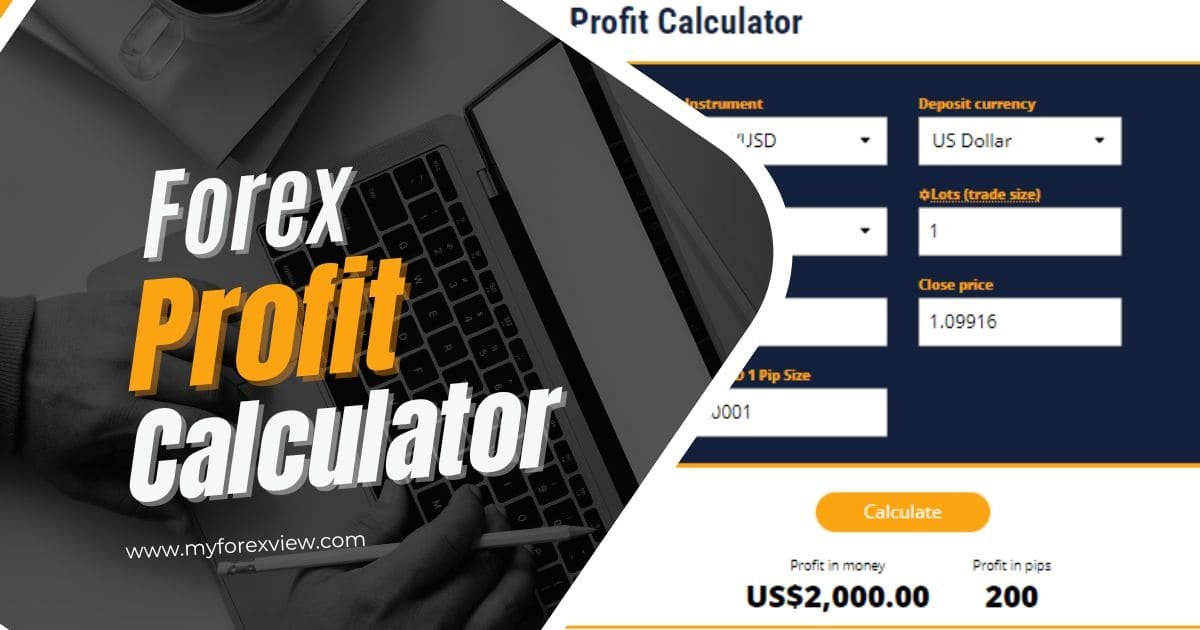
Maximize Your Forex Profits: Understanding and Using a Forex Profit Calculator with Leverage
In the fast-paced world of Forex trading, understanding how leverage affects potential profits and losses is crucial. A forex profit calculator with leverage is an indispensable tool for any trader, from novice to experienced. This article explores the concept of leverage, how to use a forex profit calculator with leverage effectively, and why it’s a vital component of any sound trading strategy. We’ll cover everything you need to know to leverage (pun intended!) this tool to your advantage.
What is Leverage in Forex Trading?
Leverage allows traders to control a larger position in the market than their initial capital would typically allow. It’s essentially borrowing capital from your broker. For example, if a broker offers leverage of 1:100, a trader with $1,000 can control a position worth $100,000. This amplifies both potential profits and potential losses. While the allure of higher profits is tempting, it’s imperative to understand the inherent risks.
The Double-Edged Sword
Leverage can significantly increase your profits if your trades are successful. However, it can also magnify your losses if the market moves against you. Therefore, a solid risk management strategy is paramount when trading with leverage. Using a forex profit calculator with leverage helps you assess the potential outcomes of your trades before you execute them, allowing for better-informed decisions.
Understanding the Forex Profit Calculator with Leverage
A forex profit calculator with leverage is a simple yet powerful tool that allows you to estimate the potential profit or loss of a Forex trade, taking into account the leverage you are using. These calculators typically require you to input several key pieces of information:
- Currency Pair: The specific currency pair you are trading (e.g., EUR/USD, GBP/JPY).
- Trade Size (Lot Size): The size of your trade, usually measured in lots (standard, mini, or micro).
- Entry Price: The price at which you entered the trade.
- Exit Price: The price at which you plan to exit the trade.
- Leverage: The leverage ratio offered by your broker (e.g., 1:50, 1:100, 1:200).
Once you input these values, the calculator will provide an estimate of your potential profit or loss. It’s crucial to remember that these are just estimates, and actual results may vary due to factors like slippage and spread fluctuations.
Benefits of Using a Forex Profit Calculator
- Risk Management: Understanding potential losses is just as important as understanding potential profits. A forex profit calculator with leverage allows you to assess the risk involved in a trade before you commit capital.
- Trade Planning: By calculating potential outcomes, you can better plan your trades and set realistic profit targets and stop-loss levels.
- Strategy Evaluation: Use the calculator to evaluate the effectiveness of different trading strategies under varying leverage levels.
- Emotional Control: Seeing the potential outcomes beforehand can help you manage your emotions and avoid impulsive decisions driven by greed or fear.
How to Use a Forex Profit Calculator with Leverage: A Step-by-Step Guide
Let’s walk through a practical example of how to use a forex profit calculator with leverage. Suppose you want to trade EUR/USD, and your broker offers a leverage of 1:100.
- Identify the Currency Pair: EUR/USD.
- Determine the Trade Size: Let’s say you want to trade 1 standard lot (100,000 units).
- Note the Entry Price: You enter the trade at 1.1000.
- Estimate the Exit Price: You anticipate the price will rise to 1.1050.
- Input the Leverage: 1:100.
Input these values into the forex profit calculator with leverage. The calculator will then show you the potential profit. In this case, the profit would be calculated as follows:
(Exit Price – Entry Price) * Trade Size = (1.1050 – 1.1000) * 100,000 = $500
This means you could potentially make a profit of $500 on this trade. The calculator also shows you the margin required for this trade, which is your initial deposit needed to open the position, calculated as: (Trade Size / Leverage) = (100,000 / 100) = $1,000.
Considering Different Scenarios
Now, let’s consider a losing scenario. Suppose the price moves against you, and you exit the trade at 1.0950. The forex profit calculator with leverage would then show a loss of:
(Exit Price – Entry Price) * Trade Size = (1.0950 – 1.1000) * 100,000 = -$500
This highlights the importance of using stop-loss orders to limit potential losses. The forex profit calculator with leverage helps you determine where to place your stop-loss orders based on your risk tolerance and market analysis.
Choosing the Right Leverage Level
Selecting the appropriate leverage level is a critical decision that depends on your risk tolerance, trading style, and market knowledge. Higher leverage can lead to higher profits, but it also significantly increases the risk of substantial losses. Beginners should generally start with lower leverage ratios (e.g., 1:20 or 1:30) until they gain more experience and confidence. More experienced traders may use higher leverage, but only with a well-defined risk management strategy in place.
Factors to Consider
- Risk Tolerance: How much are you willing to lose on a single trade?
- Trading Style: Are you a scalper, day trader, or swing trader? Each style requires a different approach to leverage.
- Market Volatility: Higher volatility may warrant lower leverage to reduce risk.
- Account Size: Smaller accounts may require higher leverage to generate meaningful profits, but this also increases the risk of a margin call.
Beyond the Calculator: Essential Risk Management Techniques
While a forex profit calculator with leverage is a valuable tool, it’s only one component of a comprehensive risk management strategy. Here are some other essential techniques:
- Stop-Loss Orders: Automatically close your trade when the price reaches a predetermined level, limiting potential losses.
- Take-Profit Orders: Automatically close your trade when the price reaches a predetermined profit target.
- Position Sizing: Determine the appropriate size of your trades based on your account balance and risk tolerance.
- Diversification: Don’t put all your eggs in one basket. Spread your risk by trading multiple currency pairs.
- Staying Informed: Keep up-to-date with market news and economic events that could impact your trades.
Common Mistakes to Avoid When Using Leverage
Many traders make costly mistakes when using leverage. Here are some common pitfalls to avoid:
- Overleveraging: Using too much leverage relative to your account size and risk tolerance.
- Ignoring Risk Management: Trading with leverage without a solid risk management strategy in place.
- Emotional Trading: Making impulsive decisions based on fear or greed.
- Lack of Knowledge: Trading without a thorough understanding of the Forex market and the risks involved.
- Not Using a Forex Profit Calculator: Failing to estimate potential profits and losses before entering a trade.
The Future of Forex Trading and Leverage
The Forex market is constantly evolving, and the use of leverage will continue to be a central aspect of trading. As technology advances, we can expect to see even more sophisticated tools and platforms that help traders manage risk and maximize profits. Forex profit calculator with leverage tools will likely become more integrated with trading platforms, providing real-time analysis and risk assessments.
Furthermore, regulatory changes around the world may impact the availability and limitations of leverage offered by brokers. It’s essential to stay informed about these changes and adjust your trading strategies accordingly.
Conclusion
A forex profit calculator with leverage is an essential tool for any Forex trader looking to maximize their profits while managing risk effectively. By understanding how leverage works, using the calculator to estimate potential outcomes, and implementing a comprehensive risk management strategy, you can increase your chances of success in the Forex market. Remember that leverage is a double-edged sword, and responsible trading is the key to long-term profitability. Always prioritize risk management and continue to educate yourself on the latest market trends and trading techniques. [See also: Forex Risk Management Strategies] [See also: Understanding Forex Leverage]
