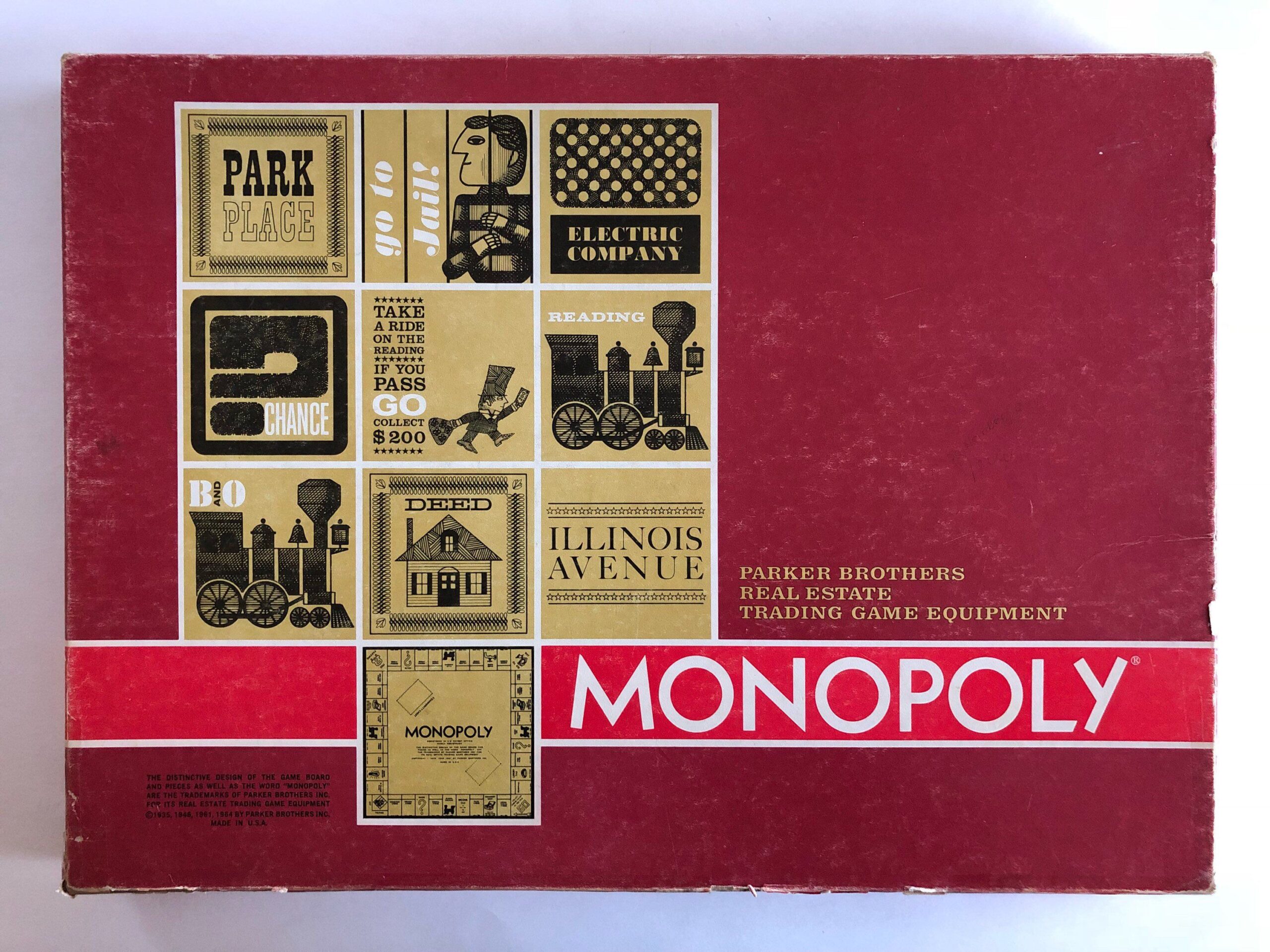
Monopoly Real Estate: Understanding the Game and Its Real-World Implications
Monopoly, the classic board game, has captivated generations with its simulation of monopoly real estate acquisition and development. While it provides hours of entertainment, it also offers a simplified, yet insightful, look into the complexities of real estate markets, investment strategies, and the potential pitfalls of unchecked market dominance. Understanding the dynamics of monopoly real estate within the game can offer valuable lessons applicable to real-world scenarios, even if simplified.
The Basics of Monopoly and Real Estate
The core mechanic of Monopoly involves players moving around the board, purchasing properties, and developing them with houses and hotels. The goal is to bankrupt opponents by charging them rent on the properties they land on. Owning a monopoly real estate – all properties of the same color group – significantly increases the rent that can be charged, making it a powerful strategy for accumulating wealth and forcing opponents into insolvency.
- Properties: Representing various streets and locations, properties are the foundation of a player’s wealth.
- Rent: The income generated from owning properties when other players land on them.
- Houses and Hotels: Upgrades that dramatically increase the rent charged on properties.
- Monopoly: Owning all properties of a single color, granting significantly higher rental income.
Monopoly as a Microcosm of Real-World Real Estate
While a game, Monopoly mirrors some fundamental aspects of real estate investment:
- Scarcity: The limited number of properties on the board reflects the scarcity of prime real estate in desirable locations.
- Location, Location, Location: Just like in real life, some properties in Monopoly are more valuable than others due to their location on the board and the frequency with which they are landed on.
- Investment and Development: Investing in houses and hotels mirrors real-world property development, increasing the value and income potential of the land.
- Market Fluctuations: Chance and Community Chest cards can introduce unpredictable events, simulating market fluctuations and external factors that can impact real estate values.
The Power of a Monopoly
In Monopoly, owning a monopoly real estate is a game-changer. It provides a substantial advantage, allowing players to quickly accumulate wealth and eliminate competition. This reflects the real-world power that comes with controlling a significant portion of a particular market. A monopoly real estate strategy can be a path to victory.
Strategies for Success in Monopoly Real Estate
Winning at Monopoly requires more than just luck; it involves strategic decision-making and a keen understanding of the game’s dynamics. Here are some key strategies:
Early Acquisition
Snapping up properties early in the game is crucial. Even seemingly less desirable properties can become valuable later, especially if they can be combined to form a monopoly real estate. Prioritize acquiring properties, even if it means mortgaging others to do so.
Focus on Monopolies
The primary goal should be to acquire monopolies. Focus on completing color groups, even if it means trading with other players. A monopoly real estate provides a significant income advantage.
Strategic Development
Once you have a monopoly, develop it strategically. Building houses and hotels increases rent exponentially. However, be mindful of cash flow and avoid over-developing to the point where you are vulnerable to bankruptcy. Determine which properties within your monopoly real estate will provide the highest return on investment.
Negotiation and Trading
Trading is a crucial element of Monopoly. Negotiate with other players to acquire properties you need to complete monopolies. Be willing to offer fair trades, but also be assertive in pursuing your goals. Sometimes, accepting a slightly unfavorable trade is worthwhile to secure a key property for a monopoly real estate.
Managing Cash Flow
Effective cash flow management is essential. Avoid overspending on properties early in the game. Maintain a reserve of cash to pay rent and taxes. Be prepared to mortgage properties if necessary, but avoid doing so unless absolutely necessary. Careful cash management will help you survive unexpected events and capitalize on opportunities. Securing a monopoly real estate requires careful planning and resource allocation.
Understanding Probability
Understanding the probabilities of landing on different spaces on the board can inform your strategy. Properties that are frequently landed on, such as those after “Go to Jail,” are generally more valuable. Consider these probabilities when deciding which properties to acquire and develop. A well-placed monopoly real estate can leverage these probabilities.
Real-World Implications of Monopoly-Like Behavior
While Monopoly is just a game, the concept of monopolies and their impact on markets is a serious issue in the real world. Unchecked corporate power and the concentration of wealth can lead to several negative consequences:
- Higher Prices: Monopolies can charge higher prices for goods and services due to a lack of competition.
- Reduced Innovation: Without competition, monopolies have less incentive to innovate and improve their products or services.
- Lower Quality: Monopolies may offer lower-quality goods and services because consumers have fewer alternatives.
- Economic Inequality: The concentration of wealth in the hands of a few can exacerbate economic inequality and create social unrest.
Antitrust Laws and Regulations
Governments around the world have implemented antitrust laws and regulations to prevent monopolies and promote competition. These laws aim to:
- Prevent Mergers and Acquisitions: Regulators can block mergers and acquisitions that would create monopolies or significantly reduce competition.
- Break Up Existing Monopolies: In some cases, regulators can break up existing monopolies into smaller, more competitive companies.
- Prohibit Anti-Competitive Practices: Laws prohibit practices such as price-fixing, predatory pricing, and exclusive dealing arrangements that harm competition.
The Enduring Appeal of Monopoly
Despite its potential for frustrating outcomes, Monopoly remains a popular game because it offers a compelling simulation of real-world economic forces. It allows players to experience the thrill of acquiring wealth, building empires, and outmaneuvering opponents. While the game is simplified, it provides valuable insights into the dynamics of real estate, investment, and the importance of strategic decision-making. The quest for a monopoly real estate fuels much of the game’s intensity.
Conclusion
Monopoly is more than just a board game; it’s a microcosm of real-world economic principles, particularly in the realm of monopoly real estate. By understanding the strategies and dynamics of the game, players can gain insights into the complexities of real estate investment, market competition, and the potential pitfalls of unchecked market dominance. While the game may not perfectly replicate the nuances of the real world, it provides a valuable and entertaining way to explore these important concepts. Whether you’re aiming to dominate the board or simply enjoy a game night with friends, Monopoly offers a fascinating glimpse into the world of real estate and the pursuit of wealth. The pursuit of a monopoly real estate, both in the game and in life, requires careful planning, strategic execution, and a bit of luck. Ultimately, understanding the principles at play can lead to success, both on and off the board. Mastering the art of monopoly real estate within the game can offer valuable lessons applicable to real-world scenarios. The concept of monopoly real estate remains a central theme, highlighting the power of controlling key assets. The allure of a monopoly real estate continues to drive players to strategize and compete. The game’s focus on monopoly real estate provides a simplified yet insightful look into market dynamics. Securing a monopoly real estate in the game mirrors the pursuit of market dominance in real-world industries. The strategic acquisition of a monopoly real estate is a core element of successful gameplay. The advantages of owning a monopoly real estate are undeniable within the game’s framework. The pursuit of a complete monopoly real estate often involves negotiation and strategic trading. Achieving a monopoly real estate significantly increases a player’s chances of winning. The concept of monopoly real estate resonates with players due to its reflection of real-world economic power.
[See also: Real Estate Investment Strategies]
[See also: Understanding Market Competition]
[See also: The Impact of Antitrust Laws]
