Navigating a Deflating Economy: Understanding Causes, Consequences, and Strategies
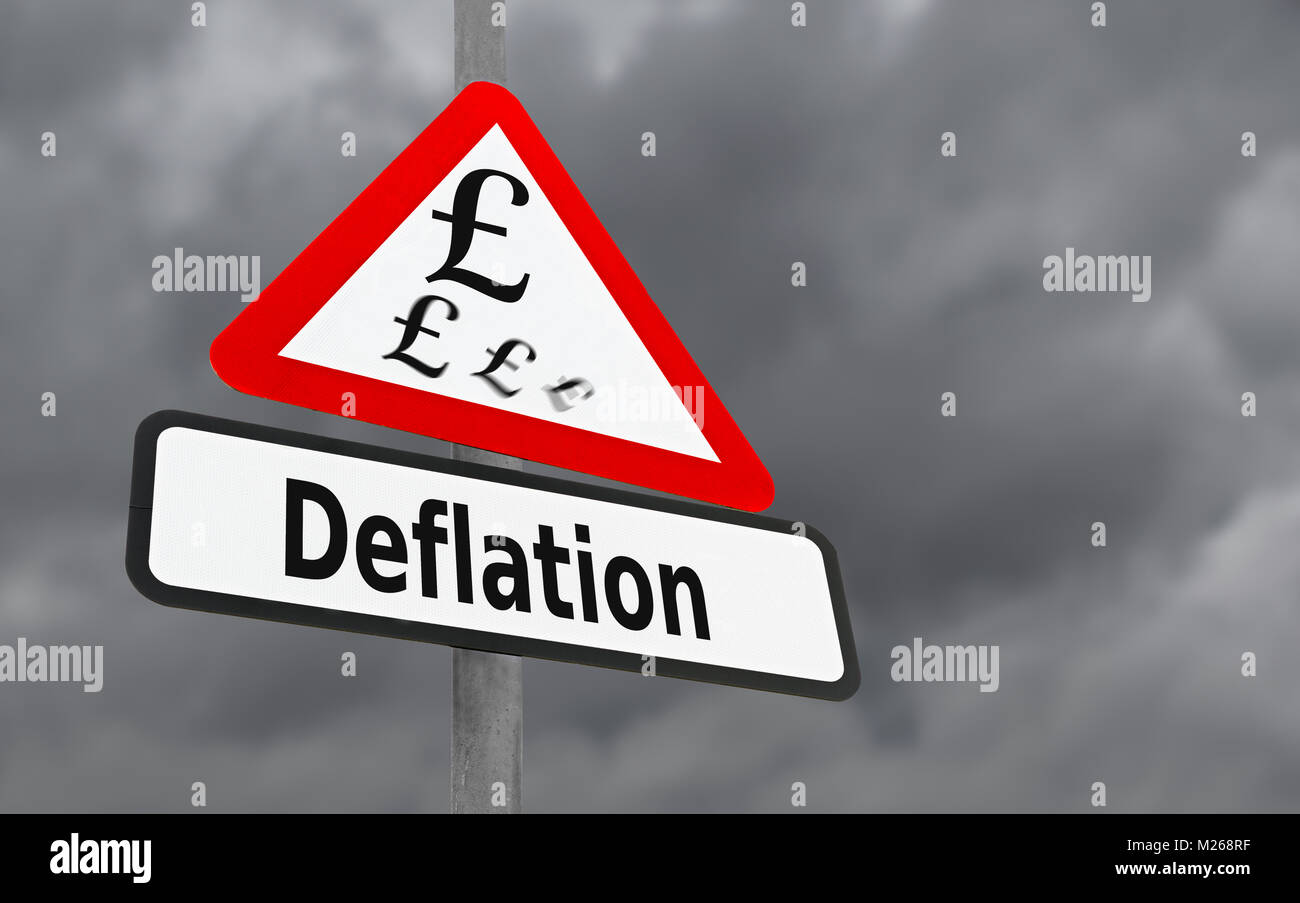
A deflating economy, characterized by a sustained decrease in the general price level of goods and services, presents a complex set of challenges and opportunities. Unlike inflation, where prices rise, deflation sees prices fall, potentially impacting consumer behavior, business investment, and overall economic stability. Understanding the dynamics of a deflating economy is crucial for policymakers, businesses, and individuals alike. This article delves into the causes and consequences of deflation, exploring strategies for navigating this economic landscape.
What is a Deflating Economy?
A deflating economy occurs when the inflation rate falls below 0%, resulting in an increase in the real value of money and allowing one to purchase more goods with the same amount of money. This might sound positive on the surface, but prolonged deflation can trigger a vicious cycle with serious economic repercussions. It’s essential to differentiate between disinflation, which is a slowdown in the rate of inflation, and deflation, which is an actual decline in prices.
Causes of Deflation
Several factors can contribute to a deflating economy. These often involve a combination of supply and demand imbalances and monetary policy decisions.
Decreased Aggregate Demand
A significant drop in aggregate demand, the total demand for goods and services in an economy at a given price level and in a given period, is a primary driver of deflation. This decrease can stem from various sources:
- Recessions: Economic downturns often lead to reduced consumer spending and business investment, lowering overall demand.
- Increased Savings: If consumers become excessively cautious and increase their savings rates, demand for goods and services may decline.
- Decreased Government Spending: Fiscal austerity measures, where governments reduce spending to lower deficits, can also dampen aggregate demand.
Increased Aggregate Supply
While decreased demand is a more common cause, a significant increase in aggregate supply without a corresponding rise in demand can also lead to deflation. This can happen due to:
- Technological Advancements: Innovations that boost productivity can lead to increased output, potentially outpacing demand.
- Reduced Production Costs: Lower input costs, such as energy or raw materials, can enable businesses to produce more goods at lower prices.
Monetary Policy
Inadequate or ineffective monetary policy can exacerbate deflationary pressures. Central banks play a crucial role in managing inflation and deflation through tools like interest rate adjustments and quantitative easing. If monetary policy is too tight or slow to respond to economic downturns, it can contribute to a deflating economy.
Consequences of a Deflating Economy
The consequences of a deflating economy can be far-reaching and detrimental to economic health.
Delayed Consumption
One of the most significant risks of deflation is delayed consumption. If consumers expect prices to fall further, they may postpone purchases, hoping to buy goods and services at a lower price in the future. This delayed spending further reduces demand, exacerbating the deflationary spiral.
Increased Debt Burden
Deflation increases the real value of debt. Borrowers must repay their debts with money that is worth more than when they initially borrowed it. This can lead to financial distress for individuals and businesses, potentially causing defaults and bankruptcies. The real burden of mortgages, business loans, and government debt all increase in a deflating economy.
Reduced Business Investment
Businesses may be hesitant to invest in new projects or expand their operations during a period of deflation. The expectation of falling prices can reduce profit margins and make it difficult to justify capital expenditures. This lack of investment can stifle economic growth and innovation.
Wage Stagnation or Decline
In a deflating economy, businesses may face pressure to reduce wages to maintain profitability. Wage cuts can further depress consumer spending and contribute to a downward spiral. Even if wages remain stagnant, their real value increases due to falling prices, which can still disincentivize spending.
Increased Real Interest Rates
Deflation can lead to higher real interest rates (nominal interest rates minus the inflation rate). Even if nominal interest rates are low, the real cost of borrowing can be high due to falling prices. This can discourage borrowing and investment, further dampening economic activity. Central banks struggle to push real interest rates low enough to stimulate demand in a deflating economy.
Strategies for Navigating a Deflating Economy
Addressing a deflating economy requires a multifaceted approach involving monetary policy, fiscal policy, and structural reforms.
Monetary Policy Responses
Central banks can employ several tools to combat deflation:
- Lowering Interest Rates: Reducing interest rates can encourage borrowing and spending, stimulating demand. However, this approach may be less effective when interest rates are already near zero (the “zero lower bound”).
- Quantitative Easing (QE): QE involves a central bank purchasing assets (such as government bonds) to inject liquidity into the financial system and lower long-term interest rates.
- Negative Interest Rates: Some central banks have experimented with negative interest rates on commercial banks’ reserves held at the central bank. This aims to incentivize banks to lend more money.
- Forward Guidance: Communicating the central bank’s intentions and future policy actions can help manage expectations and influence economic behavior.
Fiscal Policy Responses
Governments can use fiscal policy to stimulate demand and combat deflation:
- Increased Government Spending: Investing in infrastructure projects, education, or other public goods can boost demand and create jobs.
- Tax Cuts: Reducing taxes can increase disposable income and encourage consumer spending.
- Direct Transfers: Providing direct payments to individuals can provide immediate relief and stimulate demand.
Structural Reforms
Addressing underlying structural issues can also help prevent or mitigate deflation:
- Improving Productivity: Policies that promote innovation, education, and infrastructure can boost productivity and increase long-term economic growth.
- Labor Market Reforms: Flexible labor markets can help businesses adjust to changing economic conditions and avoid wage cuts.
- Deregulation: Reducing unnecessary regulations can encourage investment and innovation.
Examples of Deflationary Periods
Throughout history, several countries have experienced significant periods of deflation:
- The Great Depression (1930s): The Great Depression was characterized by severe deflation in many countries, leading to widespread economic hardship.
- Japan (1990s-2000s): Japan experienced a prolonged period of deflation following the collapse of its asset bubble in the early 1990s. This period, often referred to as the “Lost Decade,” saw sluggish economic growth and persistent price declines.
Conclusion
A deflating economy presents significant challenges to economic stability and growth. Understanding the causes and consequences of deflation is crucial for developing effective policy responses. By employing a combination of monetary policy, fiscal policy, and structural reforms, policymakers can mitigate the risks of deflation and promote sustainable economic growth. While falling prices might seem beneficial on the surface, the long-term effects of a deflating economy can be devastating. Therefore, proactive measures are necessary to prevent and address deflationary pressures. [See also: Inflation Targeting Strategies] and [See also: Understanding Economic Indicators]
