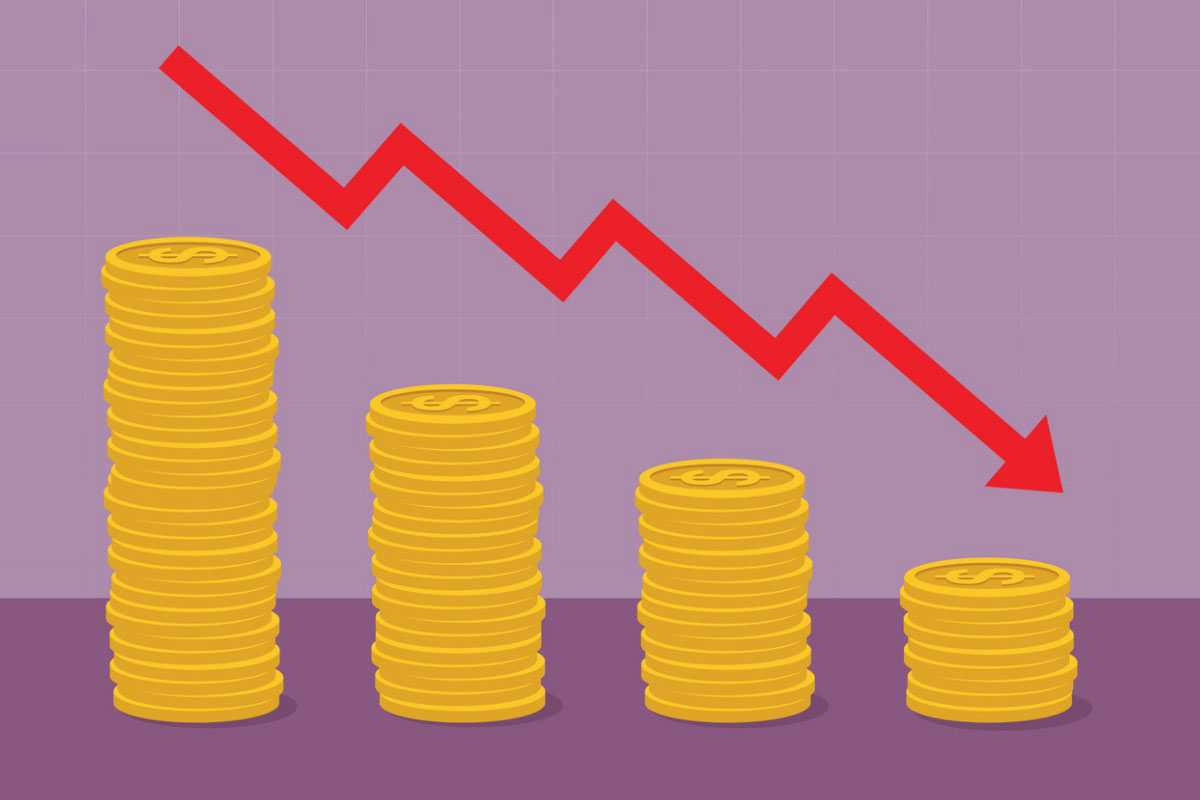

Navigating a Deflating Economy: Understanding the Risks and Opportunities
A deflating economy, characterized by a sustained decrease in the general price level of goods and services, presents a unique set of challenges and, surprisingly, opportunities for individuals, businesses, and policymakers. Unlike inflation, where the value of money erodes over time, deflation increases the purchasing power of each unit of currency. While this might sound appealing at first glance, the complexities of a deflating economy can lead to significant economic instability. This article aims to provide a comprehensive understanding of deflation, its causes, consequences, and potential strategies for navigating such an environment.
Understanding Deflation: More Than Just Lower Prices
Deflation is more than just a temporary drop in prices. It’s a persistent decline that can trigger a vicious cycle. The primary cause is often a decrease in aggregate demand, meaning that there is less overall spending in the economy. This can be due to various factors, including:
- Reduced Consumer Spending: Consumers may postpone purchases if they anticipate prices will fall further, leading to a further decrease in demand.
- Decreased Business Investment: Businesses may delay investments due to uncertainty about future profitability in a deflating economy.
- Tight Monetary Policy: High interest rates imposed by central banks can curb borrowing and spending.
- Increased Productivity: While generally positive, a significant surge in productivity without a corresponding increase in demand can lead to a deflating economy.
- Global Economic Downturn: A recession in major trading partners can reduce demand for a country’s exports, contributing to deflation.
The Perils of a Deflating Economy
While lower prices might seem beneficial, a deflating economy can have several detrimental consequences:
The Debt Burden
Deflation increases the real burden of debt. If prices are falling, borrowers must repay their loans with money that is worth more than when they originally borrowed it. This can lead to increased defaults and financial distress. For example, a mortgage taken out during a period of higher prices becomes significantly harder to repay as wages and asset values decline in a deflating economy.
The Deflationary Spiral
The most significant risk is the deflationary spiral. As prices fall, consumers delay purchases, expecting further price declines. This leads to decreased demand, forcing businesses to lower prices further, reduce production, and lay off workers. The resulting unemployment further reduces demand, creating a self-reinforcing downward spiral. Japan’s experience in the 1990s and early 2000s serves as a stark reminder of the challenges posed by a prolonged deflating economy. [See also: Japan’s Lost Decade]
Reduced Investment and Innovation
Businesses are less likely to invest in new projects or innovations during a deflating economy. The expectation of lower future profits discourages risk-taking and long-term investments, hindering economic growth. This can have long-lasting effects on a nation’s competitiveness.
Wage Stagnation and Unemployment
Businesses struggling to maintain profitability in a deflating economy may cut wages or freeze hiring. This leads to wage stagnation and increased unemployment, further dampening consumer spending and exacerbating the deflationary pressures. The social and economic costs of widespread unemployment can be severe.
Opportunities in a Deflating Economy: A Silver Lining?
While a deflating economy presents significant challenges, it can also create certain opportunities:
Increased Purchasing Power
For those with stable incomes, deflation increases purchasing power. Consumers can buy more goods and services with the same amount of money. This can benefit those who are employed and have savings, as their real wealth increases. Careful budgeting and strategic purchasing become even more advantageous during a deflating economy.
Lower Input Costs for Businesses
Businesses that can manage their debt and maintain profitability may benefit from lower input costs during a deflating economy. Raw materials, energy, and other inputs may become cheaper, increasing profit margins for efficient firms. This can provide a competitive advantage to well-managed companies.
Strategic Investment Opportunities
A deflating economy can create opportunities for strategic investments. Depressed asset prices may offer attractive entry points for long-term investors. Real estate, stocks, and other assets may be undervalued, providing the potential for significant returns when the economy eventually recovers. However, this requires careful analysis and a strong understanding of market dynamics.
Innovation and Efficiency
The pressure to reduce costs and maintain profitability during a deflating economy can spur innovation and efficiency. Businesses may be forced to streamline operations, adopt new technologies, and find creative ways to cut expenses. This can lead to long-term improvements in productivity and competitiveness. [See also: Technological Innovation in Economic Downturns]
Navigating a Deflating Economy: Strategies for Individuals and Businesses
Successfully navigating a deflating economy requires a proactive and informed approach. Here are some strategies for individuals and businesses:
For Individuals
- Manage Debt Carefully: Prioritize debt repayment, especially high-interest debt. Consider refinancing options to lower interest rates.
- Build an Emergency Fund: Having a financial cushion can provide security in case of job loss or unexpected expenses.
- Invest Wisely: Consider long-term investments in undervalued assets. Diversify your portfolio to mitigate risk.
- Focus on Skills Development: Enhance your skills and knowledge to increase your employability and earning potential.
- Budget and Save: Track your spending and identify areas where you can save money. Take advantage of lower prices to build your savings.
For Businesses
- Control Costs: Implement cost-cutting measures to maintain profitability. Streamline operations and eliminate inefficiencies.
- Improve Efficiency: Invest in technology and processes that improve productivity and reduce costs.
- Manage Inventory: Avoid overstocking inventory, as the value of goods may decline over time.
- Focus on Customer Retention: Retaining existing customers is more cost-effective than acquiring new ones. Provide excellent customer service and build loyalty.
- Explore New Markets: Diversify your customer base by exploring new markets and opportunities.
- Seek Government Assistance: Take advantage of any government programs or incentives designed to support businesses during a deflating economy.
The Role of Policymakers in Addressing Deflation
Policymakers play a crucial role in addressing a deflating economy. Central banks and governments can implement various measures to stimulate demand and prevent a deflationary spiral:
Monetary Policy
Central banks can lower interest rates to encourage borrowing and spending. Quantitative easing, a policy of injecting liquidity into the financial system by purchasing assets, can also be used to stimulate demand. However, the effectiveness of these measures may be limited if interest rates are already near zero. [See also: The Zero Lower Bound]
Fiscal Policy
Governments can implement fiscal stimulus measures, such as tax cuts or increased government spending, to boost aggregate demand. Infrastructure projects, public works programs, and direct payments to individuals can help stimulate economic activity. However, fiscal stimulus can increase government debt, which may have long-term consequences.
Structural Reforms
Long-term solutions to deflation may require structural reforms to improve productivity, increase competitiveness, and promote innovation. These reforms can include deregulation, investment in education and training, and measures to promote entrepreneurship. A deflating economy can be a catalyst for necessary reforms.
Conclusion: Navigating the Complexities of a Deflating Economy
A deflating economy is a complex phenomenon with both risks and opportunities. While the challenges are significant, understanding the dynamics of deflation and implementing appropriate strategies can help individuals, businesses, and policymakers navigate this challenging environment. By managing debt carefully, investing wisely, focusing on efficiency, and implementing effective policies, it is possible to mitigate the negative consequences of deflation and position oneself for future economic growth. The key is to remain informed, adaptable, and proactive in the face of economic uncertainty. A prolonged period of deflating economy can be detrimental, but with proper management, recovery is possible and a more resilient economic foundation can be built.
