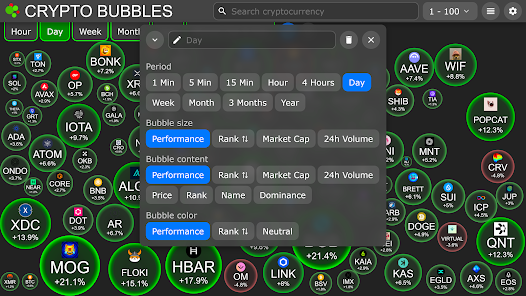
Navigating Crypto Bubbles: Understanding, Identifying, and Mitigating Risks
The cryptocurrency market, known for its volatility and rapid innovation, is no stranger to periods of intense speculation and exuberance, often leading to what are commonly referred to as crypto bubbles. These bubbles, characterized by unsustainable price increases driven by hype and speculation rather than fundamental value, can burst with devastating consequences for investors. Understanding how these crypto bubbles form, how to identify them, and strategies for mitigating the associated risks is crucial for anyone participating in the digital asset space.
What is a Crypto Bubble?
A crypto bubble is a situation where the price of a cryptocurrency or a basket of cryptocurrencies rises dramatically and unsustainably over a short period. This surge is typically fueled by speculative investment, hype, and fear of missing out (FOMO), rather than by underlying factors such as technological advancements, widespread adoption, or real-world utility. When the bubble eventually bursts, prices plummet rapidly, leaving many investors with significant losses.
Think of it like this: a popular new coin promises groundbreaking technology. Early adopters see massive gains, which generates buzz and media coverage. More and more people jump in, driven by the hope of similar returns, pushing the price even higher. However, if the technology doesn’t live up to the hype, or if adoption stagnates, the price eventually corrects, often dramatically. This is a classic crypto bubble scenario.
Historical Crypto Bubbles
The history of cryptocurrency is punctuated by several notable crypto bubbles. One of the most significant was the 2017-2018 bubble, where Bitcoin and many altcoins experienced exponential growth before crashing in early 2018. The dot-com bubble of the late 1990s offers a historical parallel, demonstrating that speculative bubbles are not unique to the crypto market. [See also: The Dot-Com Bubble: Lessons for Crypto Investors] The key difference is the speed and scale at which crypto bubbles can inflate and deflate, given the 24/7 nature of cryptocurrency trading and the global reach of the internet.
The 2017-2018 Bubble
During this period, Bitcoin’s price surged from under $1,000 at the beginning of 2017 to nearly $20,000 by December. Many altcoins saw even more dramatic gains. However, the market soon corrected, and Bitcoin’s price plummeted to around $3,000 by the end of 2018. Many altcoins lost even more significant portions of their value, and some projects disappeared entirely. This event served as a stark reminder of the risks associated with crypto bubbles.
The 2021 Bubble
The year 2021 saw another significant surge in the crypto market, driven by factors such as increased institutional investment, the rise of DeFi (Decentralized Finance), and the popularity of NFTs (Non-Fungible Tokens). While the market experienced substantial growth, some analysts argued that certain sectors, particularly meme coins and certain DeFi projects, were exhibiting bubble-like characteristics. The subsequent market correction in late 2021 and early 2022 highlighted the inherent risks, reinforcing the need for caution and due diligence.
Identifying Crypto Bubbles: Key Indicators
Recognizing the signs of a crypto bubble can help investors avoid significant losses. While predicting the exact timing of a bubble’s burst is impossible, several indicators can suggest that a market is overheating:
- Rapid Price Appreciation: Unsustainable price increases that are not supported by fundamental value.
- Increased Media Hype: Widespread media coverage and public excitement, often fueled by sensationalist headlines.
- FOMO (Fear of Missing Out): A strong desire to invest based on the fear of missing out on potential gains, rather than on rational analysis.
- Increased Leverage: A rise in the use of leveraged trading, which can amplify both gains and losses.
- New Investors Entering the Market: A surge in new investors, often with limited knowledge of the cryptocurrency market.
- Weak Fundamentals: A lack of underlying value or real-world utility to support the high prices.
- Meme Coins and Hype-Driven Projects: An increase in the popularity of cryptocurrencies with little to no practical use case, driven purely by social media hype and speculation.
Being aware of these indicators can provide valuable insights into the potential for a crypto bubble to form. Remember that no single indicator is definitive, but a combination of these factors should raise a red flag.
Mitigating Risks During a Crypto Bubble
Even if you can’t predict the top of a crypto bubble, you can take steps to protect your investments and mitigate potential losses:
- Do Your Own Research (DYOR): Thoroughly research any cryptocurrency before investing. Understand its underlying technology, use case, and team. Don’t rely solely on hype or social media sentiment. [See also: Cryptocurrency Research: A Beginner’s Guide]
- Diversify Your Portfolio: Don’t put all your eggs in one basket. Spread your investments across different cryptocurrencies and asset classes to reduce your overall risk.
- Invest Only What You Can Afford to Lose: Cryptocurrency investments are inherently risky. Only invest an amount that you can comfortably afford to lose without impacting your financial well-being.
- Set Realistic Expectations: Avoid chasing unrealistic returns. Be wary of projects promising guaranteed profits or excessively high yields.
- Use Stop-Loss Orders: Set stop-loss orders to automatically sell your holdings if the price drops below a certain level. This can help limit your losses in a market downturn.
- Take Profits Along the Way: If your investments appreciate significantly, consider taking some profits along the way. This can help you lock in gains and reduce your exposure to potential losses.
- Avoid Leverage: Leverage can amplify both gains and losses. Avoid using leverage, especially during periods of high volatility.
- Stay Informed: Keep up-to-date with the latest news and developments in the cryptocurrency market. This can help you make informed investment decisions.
The Psychology of Crypto Bubbles
Understanding the psychological factors that drive crypto bubbles is crucial for making rational investment decisions. Fear of missing out (FOMO), herd mentality, and cognitive biases can all contribute to irrational exuberance and speculative behavior. Recognizing these psychological traps can help you avoid making impulsive decisions based on emotion rather than logic.
For example, the availability heuristic can lead investors to overestimate the likelihood of positive outcomes based on recent gains. Confirmation bias can cause investors to seek out information that confirms their existing beliefs, even if that information is inaccurate or misleading. Being aware of these biases can help you make more objective and informed investment decisions.
The Future of Crypto Bubbles
As the cryptocurrency market matures, crypto bubbles may become less frequent and less severe. Increased institutional participation, improved regulation, and greater investor awareness could help to dampen speculative behavior and promote more sustainable growth. However, the inherent volatility of the cryptocurrency market means that the risk of bubbles will likely remain. [See also: Cryptocurrency Regulation: A Global Perspective]
The emergence of new technologies and innovative projects will continue to attract speculative investment. It is therefore essential for investors to remain vigilant, conduct thorough research, and manage their risk effectively. The key to navigating the cryptocurrency market successfully is to approach it with a balanced and informed perspective, avoiding the pitfalls of hype and speculation.
Conclusion
Crypto bubbles are an inherent part of the cryptocurrency market. Understanding how they form, how to identify them, and how to mitigate the associated risks is crucial for long-term success in the digital asset space. By doing your own research, diversifying your portfolio, and managing your risk effectively, you can navigate the volatility of the cryptocurrency market and avoid the devastating consequences of a burst bubble. Remember to stay informed, stay rational, and invest responsibly.
