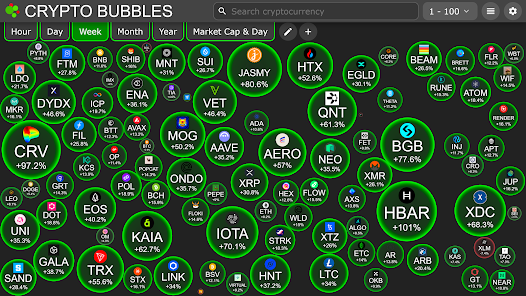
Navigating the Crypto Bubbles: Understanding, Identifying, and Mitigating Risk
The cryptocurrency market, known for its volatility and rapid innovation, is also prone to periods of intense speculation, often leading to what are termed “crypto bubbles.” These bubbles, characterized by unsustainable price increases followed by dramatic crashes, pose significant risks to investors. Understanding the dynamics of crypto bubbles, identifying their telltale signs, and implementing risk mitigation strategies are crucial for navigating this complex landscape. This article delves into the anatomy of crypto bubbles, offering insights and practical advice for both novice and experienced crypto enthusiasts.
What is a Crypto Bubble?
A crypto bubble occurs when the price of a cryptocurrency or a group of cryptocurrencies rises far beyond its intrinsic value, driven by speculative fervor rather than fundamental factors. This rapid inflation is typically fueled by hype, fear of missing out (FOMO), and a lack of understanding among investors. Eventually, the bubble bursts, leading to a sharp and often devastating price correction. These cycles can be particularly pronounced in the crypto market due to its relatively young age, regulatory uncertainties, and the sheer speed at which new projects emerge and fade.
Historical Examples of Crypto Bubbles
The history of cryptocurrency is punctuated by several notable crypto bubbles. The most prominent example is the 2017 bull run, where Bitcoin’s price surged from under $1,000 to nearly $20,000 in a matter of months, followed by a steep decline throughout 2018. Altcoins experienced even more dramatic price swings during this period. Similarly, the rise and fall of Initial Coin Offerings (ICOs) in 2017 and 2018 represent another significant crypto bubble, with many projects raising substantial funds based on little more than a whitepaper and a promise. More recently, certain sectors within the crypto space, such as NFTs and DeFi tokens, have experienced their own bubble-like behavior. [See also: Understanding Cryptocurrency Volatility]
Identifying the Signs of a Crypto Bubble
Recognizing the warning signs of a potential crypto bubble is essential for protecting your investments. Several key indicators can help you identify when the market is becoming overheated:
- Extreme Price Volatility: Rapid and unsustainable price increases are a classic sign of a bubble.
- Media Hype and FOMO: Widespread media coverage and a general sense of fear of missing out can drive prices to unsustainable levels.
- Lack of Fundamental Value: If the price of a cryptocurrency is not supported by its underlying technology, adoption rate, or real-world use cases, it may be in a bubble.
- Increased Retail Participation: A surge in inexperienced retail investors entering the market is often a sign of a bubble forming.
- Irrational Exuberance: An overly optimistic and speculative attitude among investors can fuel a bubble.
- New Coins and Tokens Launching Daily: A proliferation of new cryptocurrencies and tokens, often with little to no real utility, can indicate a market saturated with hype.
Factors Contributing to Crypto Bubbles
Several factors contribute to the formation of crypto bubbles. The decentralized and often unregulated nature of the cryptocurrency market makes it susceptible to manipulation and speculative trading. The relative novelty of the technology and a lack of understanding among many investors also contribute to the problem. Social media and online communities play a significant role in amplifying hype and spreading misinformation. Furthermore, the availability of leverage and margin trading can magnify both gains and losses, exacerbating the volatility of the market. [See also: The Role of Social Media in Crypto Investing]
Strategies for Mitigating Risk During Crypto Bubbles
While it’s impossible to predict the exact timing and magnitude of crypto bubbles, implementing sound risk management strategies can help you protect your capital:
- Diversify Your Portfolio: Don’t put all your eggs in one basket. Spread your investments across different cryptocurrencies and other asset classes.
- Do Your Own Research (DYOR): Before investing in any cryptocurrency, thoroughly research its technology, team, and use cases. Don’t rely solely on hype or social media buzz.
- Set Realistic Expectations: Be wary of cryptocurrencies promising unrealistic returns. If it sounds too good to be true, it probably is.
- Use Stop-Loss Orders: A stop-loss order automatically sells your cryptocurrency if its price falls below a certain level, limiting your potential losses.
- Take Profits Regularly: As your investments appreciate, take profits along the way. Don’t get greedy and wait for the absolute peak.
- Avoid Leverage and Margin Trading: Using leverage can amplify your losses during a market downturn.
- Stay Informed: Keep up-to-date with the latest news and developments in the cryptocurrency market.
- Have a Long-Term Perspective: Focus on the long-term potential of the technology and avoid getting caught up in short-term market fluctuations.
- Consider Dollar-Cost Averaging (DCA): Invest a fixed amount of money at regular intervals, regardless of the price. This can help you smooth out your average purchase price and reduce the impact of volatility.
The Impact of Crypto Bubbles on the Market
Crypto bubbles can have both positive and negative impacts on the market. On the one hand, they can attract new investors and drive innovation. The influx of capital during a bubble can fund the development of new technologies and applications. On the other hand, bubbles can lead to significant losses for investors, damage the reputation of the cryptocurrency market, and create regulatory scrutiny. The aftermath of a burst bubble can also lead to a period of prolonged stagnation or even a “crypto winter,” where prices remain depressed for an extended period. [See also: The Future of Cryptocurrency Regulation]
The Role of Regulation in Preventing Crypto Bubbles
Increased regulation of the cryptocurrency market could help to prevent future crypto bubbles. Clear and consistent regulatory frameworks can reduce the potential for manipulation and fraud, protect investors, and promote market stability. However, overregulation could stifle innovation and drive legitimate businesses to other jurisdictions. Finding the right balance between regulation and innovation is a key challenge for policymakers. Regulation could include requiring more transparency from cryptocurrency exchanges, setting standards for ICOs and token sales, and implementing measures to prevent money laundering and other illicit activities.
Conclusion
Crypto bubbles are an inherent part of the cryptocurrency market’s volatile nature. While they present risks, understanding their dynamics and implementing appropriate risk management strategies can help investors navigate these periods successfully. By staying informed, doing your own research, and maintaining a long-term perspective, you can increase your chances of profiting from the opportunities that the cryptocurrency market offers while minimizing your exposure to the dangers of a bursting bubble. Remember that the cryptocurrency market is still in its early stages, and long-term success requires a disciplined and informed approach. The key to surviving and thriving in the world of cryptocurrency is to approach it with a healthy dose of skepticism, a commitment to continuous learning, and a well-defined investment strategy.
