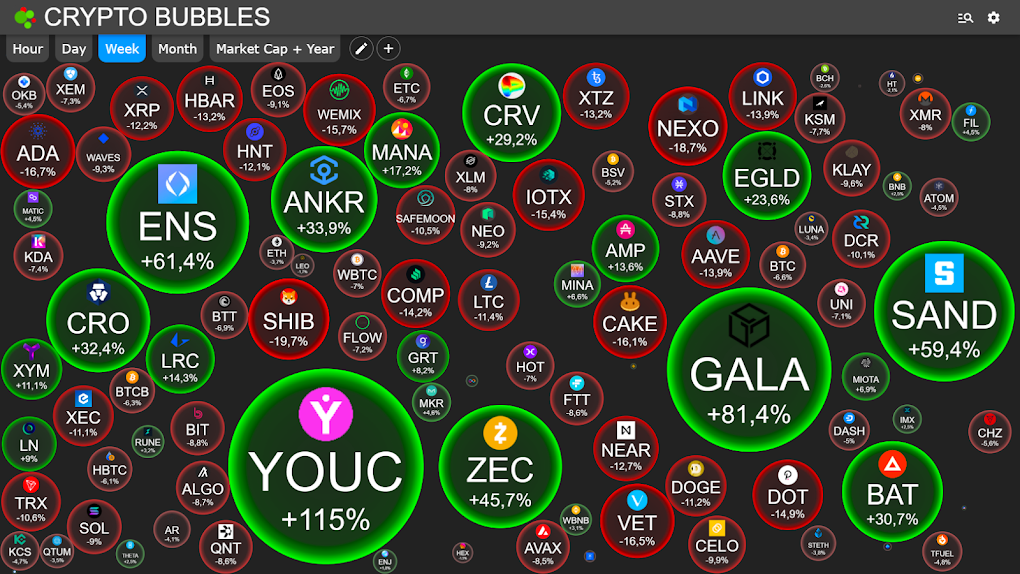
Navigating the Crypto Bubbles: Understanding Market Cycles and Investment Strategies
The cryptocurrency market is known for its volatility, characterized by periods of rapid growth often referred to as “cryptobubbles.” These bubbles can be both exhilarating and terrifying for investors, as they offer the potential for significant gains but also carry the risk of substantial losses. Understanding the dynamics of these market cycles is crucial for anyone looking to invest in cryptocurrencies responsibly. This article aims to provide a comprehensive overview of cryptobubbles, exploring their causes, characteristics, and strategies for navigating them successfully.
What are Crypto Bubbles?
A cryptobubble, in simple terms, is a period of extreme price inflation in the cryptocurrency market, driven by speculation and hype rather than underlying value. These bubbles often start with genuine interest in a particular cryptocurrency or blockchain technology, but quickly escalate as more and more investors pile in, fearing they will miss out on potential profits. The result is a price that is unsustainable in the long run, eventually leading to a sharp correction or crash.
Think of it like this: imagine a popular toy that everyone suddenly wants. The price skyrockets because demand far outweighs supply. However, once the hype dies down and people realize the toy isn’t as valuable as they initially thought, the price plummets. Cryptobubbles follow a similar pattern, but with digital assets.
The Anatomy of a Crypto Bubble
Cryptobubbles typically unfold in several distinct phases:
- Stealth Phase: A few early adopters recognize the potential of a new cryptocurrency or blockchain technology. Prices begin to rise slowly, but largely unnoticed by the general public.
- Awareness Phase: As prices continue to climb, more investors become aware of the opportunity. Media coverage increases, further fueling interest and driving up demand.
- Mania Phase: This is the peak of the bubble. Prices skyrocket at an exponential rate, with little regard for fundamental value. Fear of missing out (FOMO) drives even more investors into the market, creating a self-fulfilling prophecy.
- Blow-Off Phase: The bubble bursts. Prices begin to fall rapidly as investors panic and sell off their holdings. The initial decline triggers further selling, creating a downward spiral.
- Despair Phase: Prices continue to plummet, often falling below their pre-bubble levels. Many investors lose significant amounts of money, and the market enters a period of prolonged stagnation.
Factors Contributing to Crypto Bubbles
Several factors contribute to the formation of cryptobubbles:
- Speculation: The cryptocurrency market is highly speculative, with many investors buying and selling assets based on short-term price movements rather than long-term fundamentals.
- Hype and FOMO: Social media and online communities play a significant role in generating hype around cryptocurrencies. The fear of missing out on potential gains can lead to irrational investment decisions.
- Lack of Regulation: The cryptocurrency market is still relatively unregulated, making it vulnerable to manipulation and fraud.
- Low Interest Rates: Periods of low interest rates can encourage investors to seek higher returns in riskier assets like cryptocurrencies, further fueling speculation.
- Limited Understanding: Many investors lack a deep understanding of the underlying technology and economics of cryptocurrencies, making them more susceptible to hype and misinformation.
Examples of Past Crypto Bubbles
The cryptocurrency market has experienced several notable cryptobubbles in the past. The most prominent example is the 2017-2018 bubble, which saw Bitcoin’s price surge from below $1,000 to nearly $20,000 before crashing back down to around $3,000. Other examples include the dot-com bubble of the late 1990s and the tulip mania of the 17th century, which serve as historical parallels to the volatile nature of speculative assets.
The 2021 bull run, which saw Bitcoin reach new all-time highs, can also be considered a cryptobubble to some extent, although the underlying fundamentals of the cryptocurrency market were arguably stronger than in previous cycles. Understanding these historical patterns can help investors better anticipate and navigate future bubbles.
Strategies for Navigating Crypto Bubbles
While predicting the exact timing and magnitude of cryptobubbles is impossible, there are several strategies investors can use to mitigate their risk and potentially profit from these market cycles:
Do Your Research
Before investing in any cryptocurrency, it’s crucial to do your own research and understand the underlying technology, economics, and team behind the project. Don’t rely solely on hype or social media buzz. Look for credible sources of information and conduct thorough due diligence. Understand the whitepaper and the problem the cryptocurrency aims to solve. [See also: Understanding Blockchain Technology]
Diversify Your Portfolio
Don’t put all your eggs in one basket. Diversifying your cryptocurrency portfolio across multiple assets can help reduce your overall risk. Consider investing in a mix of established cryptocurrencies like Bitcoin and Ethereum, as well as promising altcoins with strong fundamentals. Be wary of investing heavily in projects with little real-world use or adoption. Diversification also applies to your overall investment portfolio; cryptocurrencies should only be a small portion of your total assets, especially during periods of high volatility.
Set Realistic Expectations
Be realistic about the potential returns you can expect from cryptocurrency investments. Don’t fall for get-rich-quick schemes or promises of guaranteed profits. Remember that the cryptocurrency market is highly volatile and that losses are possible. Avoid investing more than you can afford to lose. Understand that cryptobubbles are often followed by significant price corrections, so be prepared for the possibility of losses.
Use Stop-Loss Orders
A stop-loss order is an instruction to automatically sell your cryptocurrency if the price falls below a certain level. This can help limit your losses during a market downturn. Setting stop-loss orders can protect your investments from the worst effects of a cryptobubble bursting. Remember to adjust your stop-loss orders as the market moves to protect profits.
Take Profits Regularly
When prices are rising rapidly, it’s tempting to hold on to your cryptocurrencies in the hope of even greater gains. However, it’s important to take profits regularly to lock in your gains and reduce your risk. Consider selling a portion of your holdings as the price rises, especially during the mania phase of a cryptobubble. This strategy can help you avoid being caught off guard when the bubble bursts. [See also: Crypto Tax Implications]
Stay Informed and Be Patient
Stay informed about the latest news and developments in the cryptocurrency market. Follow reputable news sources and analysts, and be aware of potential risks and opportunities. Be patient and avoid making impulsive decisions based on short-term price movements. Remember that investing in cryptocurrencies is a long-term game. Understanding the cyclical nature of cryptobubbles requires patience and discipline.
Be Wary of Leverage
Leverage can amplify both your gains and your losses. While it may be tempting to use leverage to increase your potential profits during a cryptobubble, it’s important to be aware of the risks involved. High leverage can lead to significant losses if the market moves against you. Only use leverage if you fully understand the risks involved and are comfortable with the potential consequences.
Consider Dollar-Cost Averaging (DCA)
Dollar-cost averaging involves investing a fixed amount of money in a cryptocurrency at regular intervals, regardless of the price. This strategy can help you smooth out your returns and reduce your risk over time. DCA can be particularly effective during periods of high volatility, as it allows you to buy more cryptocurrency when prices are low and less when prices are high. Even during a cryptobubble, DCA can help manage risk.
The Future of Crypto Bubbles
Cryptobubbles are likely to remain a recurring feature of the cryptocurrency market for the foreseeable future. As the market matures and becomes more regulated, the severity of these bubbles may decrease, but they are unlikely to disappear entirely. The inherent volatility of cryptocurrencies, combined with the speculative nature of the market, will continue to create opportunities for both profit and loss. As the market matures, understanding cryptobubbles becomes even more critical.
In conclusion, navigating the cryptocurrency market requires a deep understanding of cryptobubbles and the factors that contribute to their formation. By doing your research, diversifying your portfolio, setting realistic expectations, and using risk management strategies, you can increase your chances of success and avoid being caught off guard when the next bubble bursts. The key is to invest responsibly and to be prepared for the inevitable ups and downs of the cryptocurrency market. Always remember that while the potential for high returns exists, so does the risk of significant losses. Understanding the cycle of cryptobubbles is paramount to long-term success in this space.
