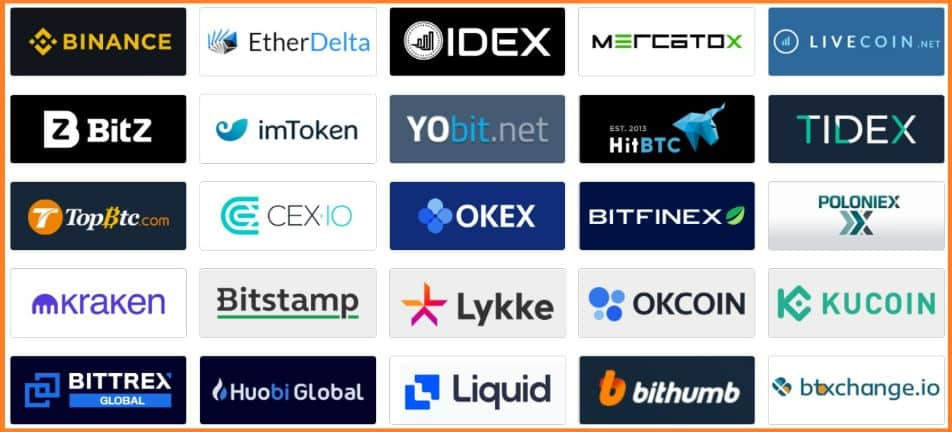
Navigating the Cryptocurrency Exchange Landscape: A Comprehensive List and Guide
The cryptocurrency market, known for its volatility and innovation, relies heavily on platforms that facilitate the buying, selling, and trading of digital assets. These platforms are known as cryptocurrency exchanges. Choosing the right cryptocurrency exchange is a crucial decision for both novice investors and seasoned traders. With a myriad of options available, each offering different features, security protocols, and fee structures, it’s essential to have a comprehensive understanding of the cryptocurrency exchange list to make informed choices. This guide aims to provide just that – a detailed overview of the leading exchanges, their strengths, weaknesses, and key considerations for selecting the best platform for your needs.
Understanding Cryptocurrency Exchanges
A cryptocurrency exchange acts as an intermediary between buyers and sellers of cryptocurrencies. They provide a platform where users can exchange fiat currencies (like USD or EUR) for cryptocurrencies (like Bitcoin or Ethereum) or trade one cryptocurrency for another. The specific features and services offered by each cryptocurrency exchange can vary significantly.
Types of Cryptocurrency Exchanges
Centralized Exchanges (CEXs): These are the most common type of cryptocurrency exchange. They are operated by a company that acts as a trusted third party, facilitating trades and managing user funds. CEXs typically offer a user-friendly interface, high liquidity, and a wide range of cryptocurrencies.
Decentralized Exchanges (DEXs): DEXs operate on a blockchain network and allow users to trade directly with each other without the need for a central authority. They offer greater privacy and control over funds but often have lower liquidity and a more complex user interface.
Hybrid Exchanges: These exchanges aim to combine the benefits of both CEXs and DEXs, offering a balance between security, liquidity, and user-friendliness.
Key Factors to Consider When Choosing a Cryptocurrency Exchange
Before diving into a cryptocurrency exchange list, it’s important to understand the key factors that should influence your decision:
- Security: Security should be your top priority. Look for exchanges with robust security measures, such as two-factor authentication (2FA), cold storage of funds, and regular security audits.
- Liquidity: Liquidity refers to the ease with which you can buy or sell cryptocurrencies without significantly affecting the price. Higher liquidity generally means faster and more efficient trades.
- Fees: Exchanges charge fees for various transactions, including trading, withdrawals, and deposits. Compare the fee structures of different exchanges to find one that suits your trading volume and style.
- Supported Cryptocurrencies: Ensure that the exchange supports the cryptocurrencies you are interested in trading.
- User Interface: The exchange’s user interface should be intuitive and easy to navigate, especially for beginners.
- Customer Support: Reliable customer support is essential in case you encounter any issues or have questions.
- Regulation: Choose an exchange that complies with relevant regulations in your jurisdiction. This can provide an added layer of security and protection.
A Comprehensive Cryptocurrency Exchange List
Here’s a detailed cryptocurrency exchange list, covering some of the most reputable and popular platforms:
Binance
Binance is one of the world’s largest cryptocurrency exchanges, known for its high liquidity, wide range of cryptocurrencies, and advanced trading features. It offers both a centralized (Binance.com) and decentralized (Binance DEX) platform. Binance offers a comprehensive suite of trading tools, including spot trading, margin trading, futures trading, and options trading. Its staking and lending programs provide additional opportunities for users to earn rewards on their holdings. Binance’s robust security measures include two-factor authentication, cold storage, and anti-phishing measures. The platform also features an educational resource center to help users learn about cryptocurrency trading and blockchain technology. [See also: Binance vs Coinbase: Which Exchange is Right for You?]
Coinbase
Coinbase is a popular cryptocurrency exchange, particularly among beginners, due to its user-friendly interface and focus on security. It offers a simple and intuitive platform for buying, selling, and storing cryptocurrencies. Coinbase prioritizes security with features like two-factor authentication, biometric login, and insurance coverage for digital assets. Coinbase Earn allows users to earn cryptocurrency by completing educational tasks. The platform also offers Coinbase Pro for more advanced traders, providing access to more advanced trading tools and lower fees. Coinbase is known for its commitment to regulatory compliance and transparency. [See also: How to Buy Bitcoin on Coinbase]
Kraken
Kraken is one of the oldest and most respected cryptocurrency exchanges, known for its strong security and compliance. It offers a wide range of cryptocurrencies and advanced trading features, including margin trading and futures trading. Kraken’s security measures include cold storage, two-factor authentication, and proactive monitoring. The platform also offers staking services, allowing users to earn rewards on their cryptocurrency holdings. Kraken is known for its commitment to transparency and regulatory compliance. [See also: Kraken vs Gemini: A Detailed Comparison]
Gemini
Gemini is a cryptocurrency exchange known for its focus on security and regulatory compliance. It is a popular choice for institutional investors and individuals who prioritize security and transparency. Gemini offers a simple and user-friendly interface for buying, selling, and storing cryptocurrencies. Gemini’s security measures include cold storage, two-factor authentication, and SOC 1 Type 2 and SOC 2 Type 2 compliance. The platform also offers Gemini Earn, allowing users to earn interest on their cryptocurrency holdings. Gemini is known for its commitment to regulatory compliance and transparency. [See also: Understanding Gemini’s Security Features]
KuCoin
KuCoin is a cryptocurrency exchange that offers a wide range of cryptocurrencies, including many altcoins. It is known for its innovative features, such as KuCoin Shares (KCS) and its referral program. KuCoin provides a range of trading options, including spot trading, margin trading, and futures trading. The platform also offers staking and lending services, providing users with opportunities to earn rewards. KuCoin’s security measures include two-factor authentication and cold storage. The exchange is known for its user-friendly interface and commitment to innovation. [See also: KuCoin vs Gate.io: Which Altcoin Exchange is Better?]
Bitstamp
Bitstamp is one of the oldest cryptocurrency exchanges, known for its reliability and security. It offers a simple and straightforward platform for buying and selling major cryptocurrencies. Bitstamp’s security measures include cold storage, multi-signature technology, and two-factor authentication. The platform is known for its focus on institutional clients and its commitment to regulatory compliance. [See also: A Beginner’s Guide to Bitstamp]
Huobi Global
Huobi Global is a major cryptocurrency exchange with a global presence. It offers a wide range of cryptocurrencies and trading features, including margin trading and futures trading. Huobi Global provides a comprehensive suite of services, including spot trading, derivatives trading, and staking. The platform also offers Huobi Token (HT), which provides users with discounts on trading fees. Huobi Global’s security measures include cold storage and two-factor authentication. The exchange is known for its innovative products and services. [See also: Comparing Huobi Global to Other Major Exchanges]
The Future of Cryptocurrency Exchanges
The cryptocurrency exchange landscape is constantly evolving, with new platforms emerging and existing platforms innovating to meet the changing needs of the market. Some key trends shaping the future of cryptocurrency exchanges include:
- Increased Regulation: As the cryptocurrency market matures, regulatory scrutiny is increasing. Exchanges are increasingly required to comply with regulations related to anti-money laundering (AML) and know your customer (KYC) requirements.
- Decentralization: DEXs are gaining popularity as users seek greater privacy and control over their funds.
- Integration with DeFi: Exchanges are increasingly integrating with decentralized finance (DeFi) protocols, allowing users to access a wider range of financial services.
- Enhanced Security: Security remains a top priority for exchanges, with ongoing efforts to improve security measures and protect user funds.
- Focus on User Experience: Exchanges are increasingly focusing on improving the user experience, making it easier for users to buy, sell, and trade cryptocurrencies.
Conclusion
Choosing the right cryptocurrency exchange is a critical decision for anyone involved in the cryptocurrency market. By carefully considering the factors outlined in this guide and researching the various exchanges on the cryptocurrency exchange list, you can make an informed choice that aligns with your individual needs and risk tolerance. Remember to prioritize security, liquidity, and fees when evaluating different platforms. The world of cryptocurrency is dynamic, so staying informed and adapting to new developments is key to success. Understanding the nuances of each cryptocurrency exchange will empower you to navigate the digital asset landscape with confidence. Always do your own research and never invest more than you can afford to lose.
