Navigating the Waters: A Comprehensive Stocks Forecast for Savvy Investors
In today’s volatile market, understanding the stocks forecast is paramount for investors seeking to make informed decisions. A reliable stocks forecast can offer valuable insights into potential growth opportunities, market trends, and potential risks. This article delves into the methodologies behind stocks forecasting, explores the factors influencing market predictions, and provides practical guidance for interpreting and utilizing stocks forecasts effectively. Whether you’re a seasoned trader or a novice investor, mastering the art of understanding a stocks forecast is crucial for achieving your financial goals.
Understanding the Basics of Stocks Forecasting
Stocks forecasting is not a simple task; it’s a complex process that involves analyzing historical data, current market conditions, and various economic indicators. The goal is to predict the future performance of individual stocks or the overall stock market. There are two primary approaches to stocks forecasting: fundamental analysis and technical analysis.
Fundamental Analysis
Fundamental analysis involves evaluating a company’s intrinsic value by examining its financial statements, management team, competitive position, and industry trends. This approach seeks to determine whether a stock is undervalued or overvalued in the market. Key indicators used in fundamental analysis include:
- Earnings per Share (EPS): A measure of a company’s profitability.
- Price-to-Earnings (P/E) Ratio: Compares a company’s stock price to its earnings per share.
- Debt-to-Equity Ratio: Indicates the level of financial leverage a company is using.
- Return on Equity (ROE): Measures a company’s profitability relative to shareholders’ equity.
By analyzing these and other financial metrics, investors can gain insights into a company’s financial health and potential for future growth. A positive stocks forecast based on fundamental analysis suggests that the company is likely to perform well in the long term.
Technical Analysis
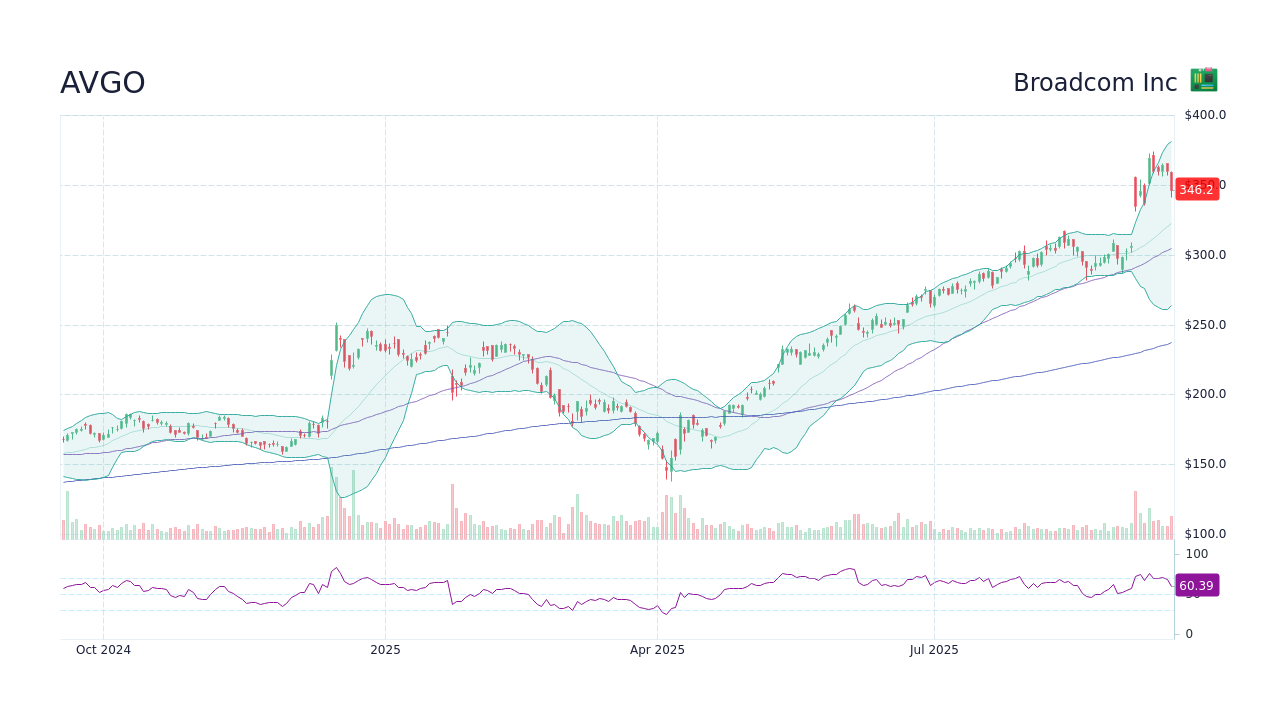
Technical analysis, on the other hand, focuses on studying past market data, such as price and volume, to identify patterns and trends that can be used to predict future price movements. Technical analysts use various charts, indicators, and tools to analyze market behavior. Some common technical indicators include:
- Moving Averages: Smooth out price data to identify trends.
- Relative Strength Index (RSI): Measures the magnitude of recent price changes to evaluate overbought or oversold conditions.
- Moving Average Convergence Divergence (MACD): A trend-following momentum indicator that shows the relationship between two moving averages of a security’s price.
- Fibonacci Retracements: Used to identify potential support and resistance levels based on Fibonacci ratios.
Technical analysis is often used for short-term stocks forecasting, as it focuses on identifying immediate trading opportunities based on market sentiment and price action. [See also: Understanding Stock Market Volatility]
Factors Influencing Stocks Forecasts
Several factors can influence the accuracy of a stocks forecast. These factors can be broadly categorized into economic factors, company-specific factors, and market sentiment.
Economic Factors
The overall health of the economy plays a significant role in determining the performance of the stock market. Key economic indicators that can impact a stocks forecast include:
- Gross Domestic Product (GDP): A measure of a country’s economic output.
- Inflation Rate: The rate at which the general level of prices for goods and services is rising.
- Interest Rates: The cost of borrowing money, which can impact corporate earnings and investment decisions.
- Unemployment Rate: The percentage of the labor force that is unemployed.
Positive economic data typically leads to a more optimistic stocks forecast, while negative data can dampen investor sentiment and lead to a more cautious outlook.
Company-Specific Factors
A company’s financial performance, management team, and competitive position are crucial factors in determining its stock’s future performance. Factors to consider include:
- Revenue Growth: The rate at which a company’s sales are increasing.
- Profit Margins: The percentage of revenue that remains after deducting expenses.
- New Product Launches: The introduction of new products or services that can drive revenue growth.
- Mergers and Acquisitions: Corporate transactions that can impact a company’s size, market share, and profitability.
A company with strong fundamentals and a clear growth strategy is more likely to receive a positive stocks forecast.
Market Sentiment
Market sentiment refers to the overall attitude of investors toward the stock market or a particular stock. Sentiment can be influenced by a variety of factors, including news events, social media trends, and investor psychology. Key indicators of market sentiment include:
- Volatility Index (VIX): A measure of market volatility, often referred to as the “fear gauge.”
- Put/Call Ratio: The ratio of put options to call options, which can indicate whether investors are more bearish or bullish.
- Investor Surveys: Surveys that gauge investor sentiment and expectations for the stock market.
Positive market sentiment can drive stock prices higher, even if the underlying fundamentals are not particularly strong. Conversely, negative sentiment can lead to a decline in stock prices, even if the company is performing well.
Interpreting Stocks Forecasts: A Cautious Approach
While stocks forecasts can be valuable tools for investors, it’s important to approach them with a degree of skepticism. No stocks forecast is foolproof, and there is always a risk that the actual outcome will differ from the prediction. Here are some tips for interpreting stocks forecasts:
- Consider the Source: Evaluate the credibility and track record of the source providing the stocks forecast. Look for reputable firms with a history of accurate predictions.
- Understand the Methodology: Familiarize yourself with the methods used to generate the stocks forecast. Are they based on fundamental analysis, technical analysis, or a combination of both?
- Assess the Assumptions: Identify the key assumptions underlying the stocks forecast. Are these assumptions realistic and likely to hold true in the future?
- Look for a Range of Outcomes: Rather than focusing on a single point estimate, look for stocks forecasts that provide a range of potential outcomes. This can help you understand the potential upside and downside risks.
- Diversify Your Sources: Don’t rely on a single stocks forecast. Consult multiple sources and compare their predictions to get a more comprehensive view of the market.
Remember that stocks forecasts are just one piece of the puzzle. It’s important to conduct your own research and analysis before making any investment decisions. [See also: Building a Diversified Investment Portfolio]
Utilizing Stocks Forecasts in Your Investment Strategy
Once you have a good understanding of stocks forecasts, you can start incorporating them into your investment strategy. Here are some ways to utilize stocks forecasts effectively:
- Identify Growth Opportunities: Use stocks forecasts to identify companies or sectors that are expected to experience strong growth in the future. This can help you find promising investment opportunities.
- Manage Risk: Use stocks forecasts to assess the potential risks associated with your investments. If a stocks forecast indicates a high level of uncertainty or potential downside, you may want to reduce your exposure to that particular stock or sector.
- Time Your Trades: Use technical analysis-based stocks forecasts to identify potential entry and exit points for your trades. This can help you maximize your returns and minimize your losses.
- Rebalance Your Portfolio: Use stocks forecasts to rebalance your portfolio periodically. If a particular asset class or sector is expected to underperform, you may want to reduce your allocation to that area and increase your allocation to areas with more promising stocks forecasts.
- Stay Informed: Continuously monitor stocks forecasts and market trends to stay informed about potential changes in the investment landscape. This will help you make more informed decisions and adapt your strategy as needed.
The Future of Stocks Forecasting
The field of stocks forecasting is constantly evolving, with new technologies and techniques emerging all the time. One of the most promising developments is the use of artificial intelligence (AI) and machine learning (ML) to analyze vast amounts of data and identify patterns that humans might miss. AI and ML algorithms can be trained on historical data to predict future stock prices with a high degree of accuracy. However, it’s important to remember that even the most sophisticated AI models are not perfect, and they should be used in conjunction with other forms of analysis.
Another trend in stocks forecasting is the increasing use of alternative data sources, such as social media sentiment, satellite imagery, and credit card transaction data. These alternative data sources can provide valuable insights into consumer behavior and economic activity, which can be used to improve the accuracy of stocks forecasts.
Conclusion
Mastering the art of understanding and utilizing stocks forecasts is an essential skill for any investor looking to navigate the complexities of the stock market. By combining fundamental and technical analysis, considering various economic and company-specific factors, and approaching stocks forecasts with a healthy dose of skepticism, investors can make more informed decisions and increase their chances of achieving their financial goals. Remember to stay informed, diversify your sources, and continuously adapt your strategy as the market evolves. A well-informed investor is a successful investor. This thorough understanding of a stocks forecast is a critical component of that success.
