Navigating the World of Finance Brokerage: A Comprehensive Guide
The world of finance can seem daunting, especially for newcomers. One crucial element in this landscape is the finance brokerage. But what exactly is a finance brokerage, and how does it function? This comprehensive guide aims to demystify the concept, providing a clear understanding of its role, benefits, and considerations for both individuals and businesses.
What is a Finance Brokerage?
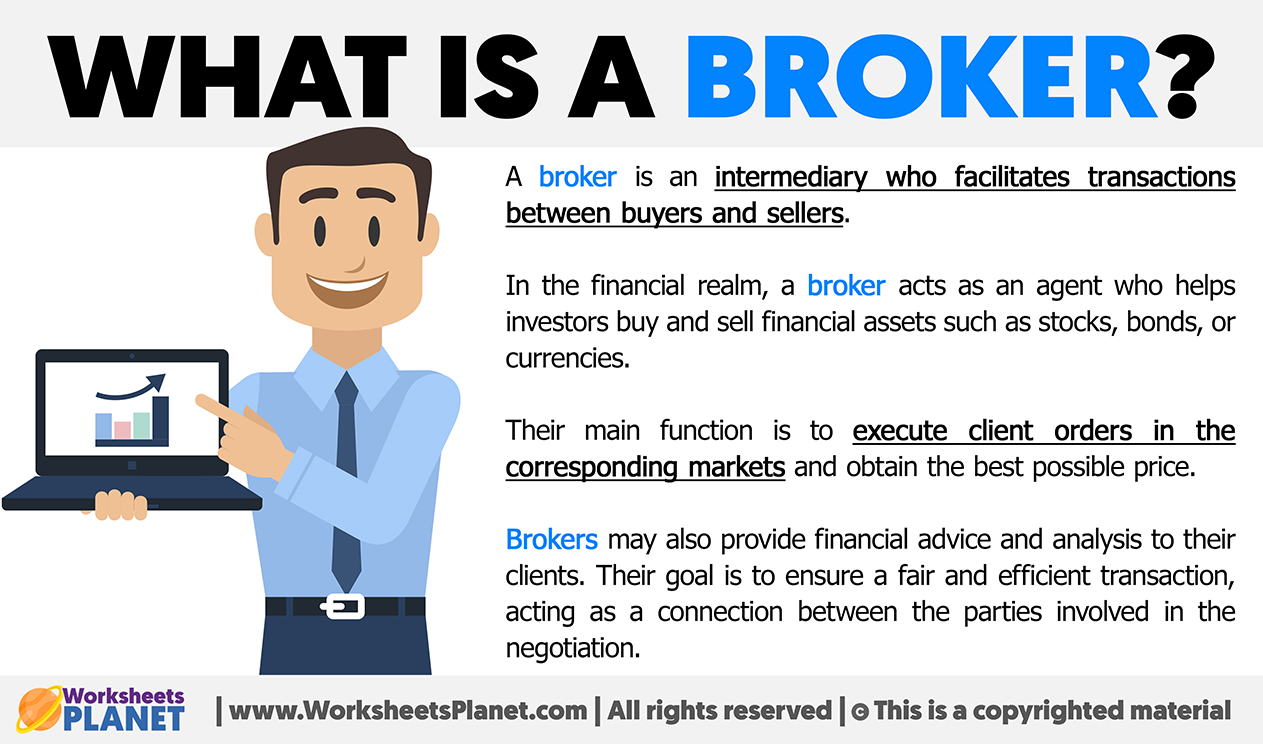
A finance brokerage acts as an intermediary between borrowers and lenders. Unlike a direct lender, a brokerage doesn’t provide the funds themselves. Instead, they leverage their network of banks, credit unions, and other financial institutions to find the most suitable loan or financial product for their clients. Think of them as matchmakers, connecting those who need capital with those who have it.
The key difference lies in the breadth of options. A direct lender only offers their own products, whereas a finance brokerage can present a range of solutions from different providers. This allows borrowers to compare interest rates, terms, and conditions, ultimately leading to a more informed decision.
The Role of a Finance Broker
The role of a finance broker is multifaceted. They are not simply salespeople; they are advisors who guide their clients through the complexities of the financial market. Here’s a breakdown of their key responsibilities:
- Needs Assessment: Understanding the client’s financial situation, goals, and specific requirements. This involves detailed discussions and analysis of financial documents.
- Market Research: Identifying potential lenders and financial products that align with the client’s needs. This requires extensive knowledge of the market and the ability to assess various options.
- Application Assistance: Guiding the client through the application process, ensuring all necessary documentation is prepared accurately and efficiently.
- Negotiation: Negotiating with lenders on behalf of the client to secure the best possible terms and conditions.
- Ongoing Support: Providing ongoing support and advice throughout the loan term, addressing any questions or concerns that may arise.
Benefits of Using a Finance Brokerage
Engaging a finance brokerage offers several advantages, particularly for those unfamiliar with the intricacies of the financial market.
Access to a Wider Range of Options
As mentioned earlier, a finance brokerage provides access to a broader range of lenders and financial products than a direct lender. This increases the chances of finding a solution that perfectly fits the client’s needs and budget. This saves you considerable time researching various options yourself.
Expert Advice and Guidance
Finance brokers possess in-depth knowledge of the financial market and can provide expert advice and guidance throughout the entire process. They can help clients understand complex financial terms, assess risks, and make informed decisions. Their expertise can be invaluable, especially for those new to borrowing or investing.
Time Savings
Searching for the right loan or financial product can be time-consuming. A finance brokerage handles the research and application process, freeing up the client’s time to focus on other priorities. They streamline the process, making it more efficient and less stressful.
Negotiating Power
Finance brokers have established relationships with lenders and can leverage these relationships to negotiate better terms and conditions for their clients. Their experience and market knowledge give them an advantage in securing favorable deals. Because they work with many lenders, they have a good sense of current market rates and can use this to your advantage.
Cost-Effectiveness
While finance brokerages typically charge a fee for their services, the potential savings they can achieve in terms of lower interest rates and better loan terms often outweigh the cost. Furthermore, the time saved and the reduced risk of making a poor financial decision can also contribute to significant cost savings in the long run. Some brokers receive commission from the lender, which may mean no upfront costs for the borrower.
Types of Finance Brokerages
Finance brokerages can specialize in various areas of finance, catering to different needs and industries. Some common types include:
- Mortgage Brokers: Specializing in home loans and refinancing.
- Commercial Finance Brokers: Focusing on loans for businesses, such as equipment financing, working capital loans, and commercial real estate loans.
- Equipment Finance Brokers: Assisting businesses in acquiring equipment through leasing or financing.
- Personal Loan Brokers: Helping individuals secure personal loans for various purposes, such as debt consolidation or home improvements.
- Invoice Finance Brokers: Providing businesses with financing solutions based on their outstanding invoices.
Choosing the Right Finance Brokerage
Selecting the right finance brokerage is crucial to ensuring a positive and successful experience. Consider the following factors when making your decision:
Experience and Expertise
Look for a finance brokerage with a proven track record and extensive experience in your specific area of need. Check their credentials, licenses, and affiliations to ensure they are qualified and reputable. A broker with years of experience likely has a wider network and a deeper understanding of the market.
Reputation and Reviews
Read online reviews and testimonials to get a sense of the finance brokerage’s reputation and customer satisfaction. A reputable brokerage will have positive feedback and a history of providing excellent service. Check with the Better Business Bureau and other consumer protection agencies.
Transparency and Communication
Choose a finance brokerage that is transparent about their fees and commission structure. They should clearly explain their services and be willing to answer all your questions honestly and openly. Good communication is essential throughout the entire process.
Range of Lenders
Inquire about the finance brokerage’s network of lenders. A brokerage with a wide network can offer a greater variety of options and increase your chances of finding the best possible deal. Ask for a list of the lenders they work with.
Personalized Service
Opt for a finance brokerage that provides personalized service and takes the time to understand your unique needs and goals. They should be willing to tailor their approach to your specific circumstances. A good broker will act as your advocate and guide you through every step of the process.
The Future of Finance Brokerage
The finance brokerage industry is constantly evolving, driven by technological advancements and changing market dynamics. The rise of online lending platforms and fintech companies is creating new opportunities and challenges for brokers. As the financial landscape becomes increasingly complex, the role of the finance broker as a trusted advisor and intermediary will become even more critical. [See also: Fintech Disruption in Financial Services]
Technology is playing an increasingly important role in finance brokerage. Online platforms and software solutions are streamlining the application process, improving efficiency, and enhancing the customer experience. Brokers are leveraging these tools to access more data, analyze market trends, and provide more informed advice to their clients. The rise of AI and machine learning could further transform the industry, enabling brokers to automate tasks, personalize recommendations, and identify new opportunities.
Conclusion
A finance brokerage can be a valuable resource for individuals and businesses seeking financing. By leveraging their expertise and network of lenders, they can help clients find the best possible loan or financial product to meet their needs. When choosing a finance brokerage, consider their experience, reputation, transparency, and range of lenders. With the right broker by your side, navigating the world of finance can be a much smoother and more rewarding experience. Remember to always do your due diligence and compare multiple offers before making a final decision. Understanding the role of a finance brokerage is an important step in making sound financial decisions.
