Navigating the World of Token Exchanges: A Comprehensive Guide
In the dynamic landscape of cryptocurrencies and blockchain technology, token exchanges serve as crucial platforms for buying, selling, and trading digital assets. Understanding the intricacies of these exchanges is paramount for anyone looking to participate in the crypto economy, whether you’re a seasoned investor or a curious newcomer. This guide aims to provide a comprehensive overview of token exchanges, covering their types, functionalities, security considerations, and future trends.
What are Token Exchanges?
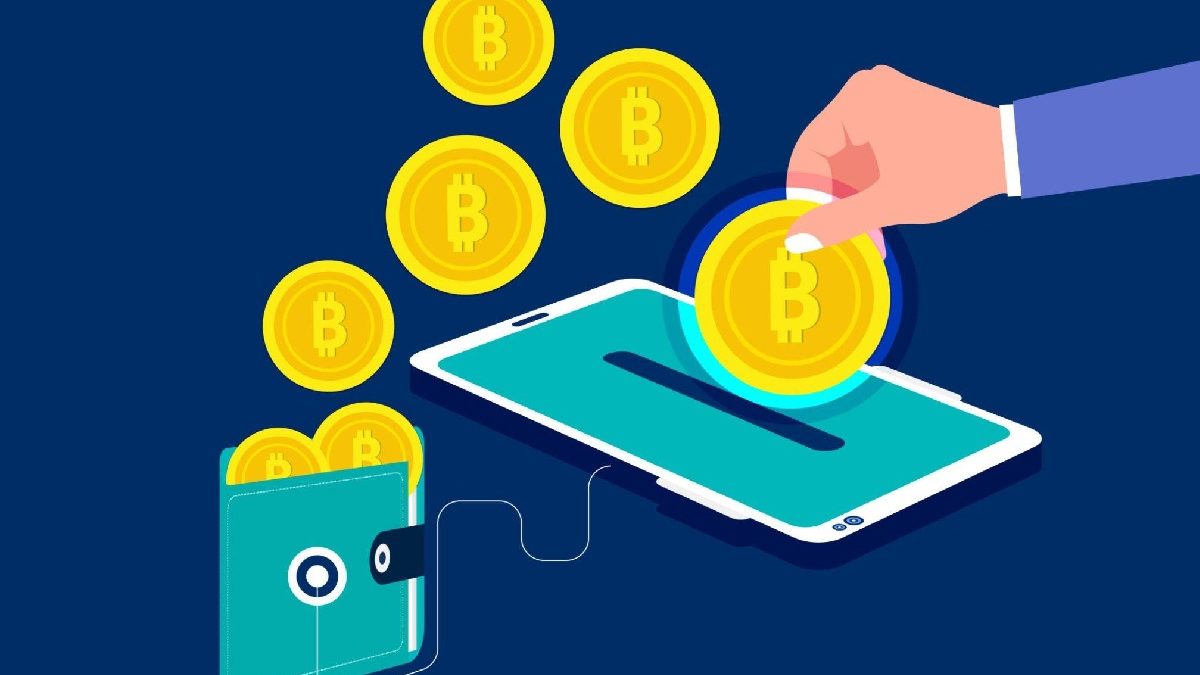
A token exchange, also often referred to as a cryptocurrency exchange, is a digital marketplace where individuals can trade cryptocurrencies and other digital tokens for other assets, such as fiat currencies (USD, EUR, etc.) or other cryptocurrencies (Bitcoin, Ethereum, etc.). These platforms act as intermediaries, matching buyers and sellers and facilitating the exchange process. The value of tokens on these token exchanges is determined by supply and demand, similar to traditional stock markets.
Types of Token Exchanges
Token exchanges come in various forms, each with its own set of features and functionalities. Understanding these different types is crucial for choosing the right platform for your trading needs.
Centralized Exchanges (CEXs)
Centralized exchanges are the most common type of token exchange. They are operated by a central authority that oversees the trading process and holds custody of users’ funds. CEXs typically offer a user-friendly interface, high liquidity, and a wide range of trading pairs. Popular examples include Binance, Coinbase, and Kraken.
Pros of CEXs:
- High Liquidity: CEXs generally have a large volume of trading activity, making it easier to buy and sell tokens quickly.
- User-Friendly Interface: Most CEXs offer intuitive interfaces that are easy to navigate, even for beginners.
- Variety of Trading Pairs: CEXs typically offer a wide selection of cryptocurrencies and trading pairs.
- Customer Support: CEXs usually have customer support teams to assist users with any issues they may encounter.
Cons of CEXs:
- Centralized Control: CEXs are vulnerable to hacking and theft, as they hold custody of users’ funds.
- Regulatory Scrutiny: CEXs are subject to regulatory oversight, which can vary depending on the jurisdiction.
- KYC/AML Requirements: CEXs typically require users to undergo Know Your Customer (KYC) and Anti-Money Laundering (AML) verification processes.
Decentralized Exchanges (DEXs)
Decentralized exchanges operate on a peer-to-peer basis, without a central authority. DEXs allow users to trade directly with each other, using smart contracts to facilitate the exchange. Examples include Uniswap, SushiSwap, and PancakeSwap. [See also: Understanding Decentralized Finance (DeFi)]
Pros of DEXs:
- Increased Security: DEXs are less vulnerable to hacking and theft, as they do not hold custody of users’ funds.
- Greater Privacy: DEXs typically require less personal information than CEXs.
- Transparency: DEXs operate on open-source code, making the trading process more transparent.
Cons of DEXs:
- Lower Liquidity: DEXs often have lower liquidity than CEXs, which can make it more difficult to buy and sell tokens quickly.
- Complex Interface: DEXs can be more complex to use than CEXs, especially for beginners.
- Higher Transaction Fees: Transaction fees on DEXs can be higher than on CEXs, especially during periods of high network congestion.
Hybrid Exchanges
Hybrid exchanges aim to combine the benefits of both CEXs and DEXs. They offer a centralized platform with some decentralized features, such as non-custodial wallets and decentralized order books. These token exchanges are gaining popularity as they offer a balance between user-friendliness and security.
Key Features of Token Exchanges
Several key features are essential to consider when choosing a token exchange:
- Liquidity: Refers to the ease with which assets can be bought or sold without affecting their price. High liquidity is crucial for efficient trading.
- Security: Robust security measures are essential to protect users’ funds and personal information. Look for exchanges with features like two-factor authentication (2FA), cold storage of funds, and regular security audits.
- Trading Pairs: The variety of trading pairs available on an exchange determines the range of assets that can be traded.
- Fees: Trading fees, withdrawal fees, and deposit fees can vary significantly between exchanges. It’s important to compare fees before choosing a platform.
- User Interface: A user-friendly interface is crucial for a smooth trading experience, especially for beginners.
- Customer Support: Responsive and helpful customer support is essential for resolving any issues that may arise.
- Regulation: The regulatory compliance of an exchange can impact its security and reliability.
Security Considerations
Security is a paramount concern when dealing with token exchanges. The cryptocurrency space has seen numerous high-profile hacks and thefts, highlighting the importance of choosing a secure platform and taking personal security measures.
Exchange Security Measures
Reputable token exchanges implement various security measures to protect users’ funds, including:
- Two-Factor Authentication (2FA): Requires users to provide two forms of identification before logging in or making transactions.
- Cold Storage: Storing the majority of funds offline, away from potential hackers.
- Multi-Signature Wallets: Requiring multiple approvals for transactions.
- Regular Security Audits: Independent audits to identify and address potential vulnerabilities.
- Encryption: Encrypting sensitive data to prevent unauthorized access.
Personal Security Practices
In addition to exchange security measures, users should also adopt their own security practices:
- Strong Passwords: Use strong, unique passwords for your exchange accounts.
- Password Manager: Consider using a password manager to securely store your passwords.
- Phishing Awareness: Be wary of phishing emails and websites that attempt to steal your login credentials.
- Secure Your Devices: Keep your computer and mobile devices secure with antivirus software and firewalls.
- Hardware Wallets: Consider using a hardware wallet to store your cryptocurrencies offline.
The Future of Token Exchanges
The landscape of token exchanges is constantly evolving, with new technologies and trends emerging. Some of the key trends shaping the future of token exchanges include:
Increased Regulation
As the cryptocurrency market matures, regulatory scrutiny is likely to increase. This could lead to greater stability and legitimacy for token exchanges, but also potentially higher compliance costs.
DeFi Integration
Decentralized Finance (DeFi) is gaining traction, and token exchanges are increasingly integrating with DeFi protocols. This could lead to new trading opportunities and greater access to financial services. [See also: Exploring the Benefits of DeFi]
Enhanced Security
Security will continue to be a top priority for token exchanges. New technologies, such as multi-party computation (MPC) and zero-knowledge proofs, are being developed to enhance the security of these platforms.
Improved User Experience
Token exchanges are striving to improve the user experience, making it easier for both beginners and experienced traders to navigate the platforms and execute trades. This includes simplifying the interface, providing more educational resources, and offering better customer support.
Tokenized Securities
The tokenization of securities, such as stocks and bonds, is another emerging trend. Token exchanges could play a key role in facilitating the trading of these tokenized assets.
Conclusion
Token exchanges are essential infrastructure for the cryptocurrency ecosystem, providing a platform for users to buy, sell, and trade digital assets. Understanding the different types of exchanges, their key features, and security considerations is crucial for anyone looking to participate in the crypto market. As the industry continues to evolve, token exchanges will likely play an even more important role in the future of finance. By staying informed and adopting best practices, you can navigate the world of token exchanges safely and effectively.
