Navigating the World of Trading Bosses: Strategies, Risks, and Success Stories
The world of finance is rife with stories of individuals who have risen to become influential figures, often referred to as “trading bosses.” These individuals, whether they are hedge fund managers, proprietary traders, or independent entrepreneurs, share a common trait: a deep understanding of market dynamics and the ability to generate substantial profits through trading. Understanding the strategies, risks, and success stories associated with these trading bosses is crucial for anyone aspiring to achieve similar success or simply looking to understand the complexities of the financial markets.
What Defines a Trading Boss?
A trading boss isn’t just someone who trades; they are individuals who demonstrate exceptional skill, leadership, and a proven track record of profitability. They often manage significant capital, either their own or that of others, and make critical decisions that impact market movements. Key characteristics include:
- Expertise: A comprehensive understanding of financial instruments, market analysis techniques, and risk management principles.
- Discipline: The ability to adhere to a well-defined trading plan, even under pressure.
- Decision-Making: Making informed and timely decisions based on data and analysis.
- Risk Management: Implementing strategies to protect capital and minimize losses.
- Leadership: In some cases, managing and mentoring a team of traders.
Strategies Employed by Trading Bosses
Trading bosses utilize a wide range of strategies, tailored to their individual strengths and market conditions. Some common approaches include:
Trend Following
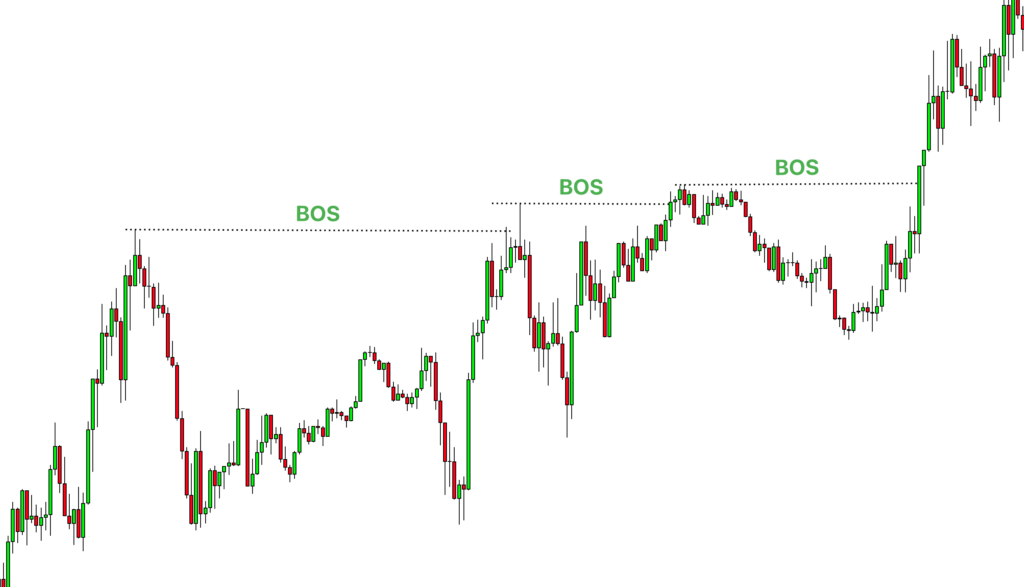
This strategy involves identifying and capitalizing on established trends in the market. Trading bosses using this approach often employ technical analysis tools to identify entry and exit points. They look for sustained upward or downward movements in prices and aim to profit from these trends. The risk lies in identifying false trends or experiencing sudden reversals.
Value Investing
Popularized by Warren Buffett, value investing involves identifying undervalued assets and holding them for the long term. Trading bosses using this strategy conduct thorough fundamental analysis to determine the intrinsic value of a company or asset. They then purchase these assets when they are trading below their perceived value, with the expectation that the market will eventually recognize their true worth. [See also: Understanding Value Investing Principles]
Arbitrage
Arbitrage involves exploiting price differences for the same asset in different markets. Trading bosses using this strategy aim to profit from these discrepancies by simultaneously buying the asset in one market and selling it in another. This strategy is often low-risk but requires sophisticated technology and access to multiple markets. The profits are typically small, but the volume of trades can generate significant returns.
Quantitative Trading
This approach relies on mathematical models and algorithms to identify trading opportunities. Trading bosses using quantitative trading employ sophisticated software and data analysis techniques to automate the trading process. This allows them to execute a large number of trades quickly and efficiently. The risk lies in the accuracy of the models and the potential for unforeseen market events.
Event-Driven Trading
Event-driven trading involves capitalizing on market reactions to specific events, such as earnings announcements, mergers, or regulatory changes. Trading bosses using this strategy analyze the potential impact of these events on asset prices and position themselves accordingly. This requires a deep understanding of the industry and the ability to anticipate market reactions.
Risks Inherent in Trading
While the potential rewards of becoming a successful trading boss are significant, it’s crucial to acknowledge the inherent risks involved. These risks include:
- Market Volatility: Sudden and unpredictable market movements can lead to significant losses.
- Leverage: Using borrowed capital to amplify returns can also amplify losses.
- Emotional Biases: Fear and greed can cloud judgment and lead to poor trading decisions.
- Information Asymmetry: Access to timely and accurate information is critical, and a lack of it can put traders at a disadvantage.
- Regulatory Risks: Changes in regulations can impact trading strategies and profitability.
Success Stories of Trading Bosses
Numerous individuals have achieved legendary status as trading bosses. Studying their success stories can provide valuable insights and inspiration:
- George Soros: Known for his famous bet against the British pound in 1992, Soros is a master of macro trading and risk management. His ability to analyze global economic trends and take bold positions has made him one of the most successful traders of all time.
- Paul Tudor Jones: Jones is a pioneer of technical analysis and trend following. He is known for his ability to predict market crashes and profit from them. His firm, Tudor Investment Corporation, is one of the largest hedge funds in the world.
- Ray Dalio: The founder of Bridgewater Associates, Dalio is a proponent of systematic investing and risk management. His firm uses algorithms and data analysis to make investment decisions. He emphasizes the importance of transparency and accountability in trading.
The Role of Technology in Modern Trading
Technology plays an increasingly important role in modern trading. Trading bosses rely on sophisticated software and data analytics tools to gain an edge in the market. High-frequency trading (HFT), algorithmic trading, and artificial intelligence are becoming increasingly prevalent. These technologies allow traders to execute trades quickly and efficiently, analyze vast amounts of data, and identify trading opportunities that would be impossible to spot manually. [See also: The Impact of AI on Financial Markets]
Developing the Skills to Become a Trading Boss
Becoming a successful trading boss requires a combination of education, experience, and innate talent. While there is no guaranteed path to success, the following steps can increase your chances:
- Education: Obtain a strong foundation in finance, economics, and mathematics.
- Experience: Gain experience working in the financial industry, either at a trading firm or a hedge fund.
- Mentorship: Seek guidance from experienced traders who can provide valuable insights and advice.
- Continuous Learning: Stay up-to-date on market trends, new technologies, and regulatory changes.
- Risk Management: Develop a robust risk management plan and adhere to it religiously.
The Importance of Risk Management
Effective risk management is paramount for any aspiring trading boss. Without a solid risk management strategy, even the most skilled trader is vulnerable to significant losses. Risk management involves:
- Setting Stop-Loss Orders: Limiting potential losses on each trade.
- Diversifying Portfolios: Spreading risk across multiple assets.
- Position Sizing: Adjusting the size of trades based on risk tolerance.
- Regular Monitoring: Tracking portfolio performance and adjusting strategies as needed.
The Future of Trading Bosses
The world of trading is constantly evolving, and the role of the trading boss is likely to change as well. As technology continues to advance, the skills required to succeed will also evolve. Future trading bosses will need to be adept at using artificial intelligence, machine learning, and other advanced technologies to gain an edge in the market. They will also need to be adaptable and willing to embrace new strategies and approaches. The core principles of risk management, discipline, and informed decision-making will remain essential for success.
In conclusion, navigating the world of trading bosses requires a deep understanding of market dynamics, a commitment to continuous learning, and a robust risk management strategy. While the path to success is challenging, the rewards can be significant for those who possess the skills and discipline to excel.
