
Navigating Tomorrow: Stock Market Predictions and Strategies
The quest for accurate stock market predictions for tomorrow remains a perpetual pursuit for investors, traders, and financial analysts alike. While predicting the future with certainty is impossible, understanding market dynamics, analyzing historical data, and leveraging available tools can provide valuable insights. This article explores the complexities of forecasting stock market predictions for tomorrow, examines various methodologies employed, and discusses strategies for navigating the inherent uncertainties of the market.
Understanding the Landscape of Stock Market Predictions
The stock market is influenced by a myriad of factors, ranging from macroeconomic indicators to geopolitical events and even investor sentiment. These elements interact in complex ways, making accurate stock market predictions for tomorrow a daunting task. Before delving into specific forecasting methods, it’s crucial to understand the key drivers of market movements.
- Economic Indicators: Gross Domestic Product (GDP) growth, inflation rates, unemployment figures, and interest rate policies significantly impact corporate earnings and investor confidence.
- Company Performance: Earnings reports, revenue growth, and strategic decisions of individual companies directly affect their stock prices.
- Geopolitical Events: Political instability, trade wars, and global crises can trigger significant market volatility.
- Investor Sentiment: Market psychology, fear, and greed can drive short-term price fluctuations, often deviating from fundamental values.
- Technological Advancements: Disruptive technologies and innovations can reshape industries and impact stock valuations.
Methods for Forecasting Stock Market Movements
Various methodologies are employed in the attempt to generate reliable stock market predictions for tomorrow. Each approach has its strengths and limitations, and often, a combination of methods is used to enhance accuracy.
Technical Analysis
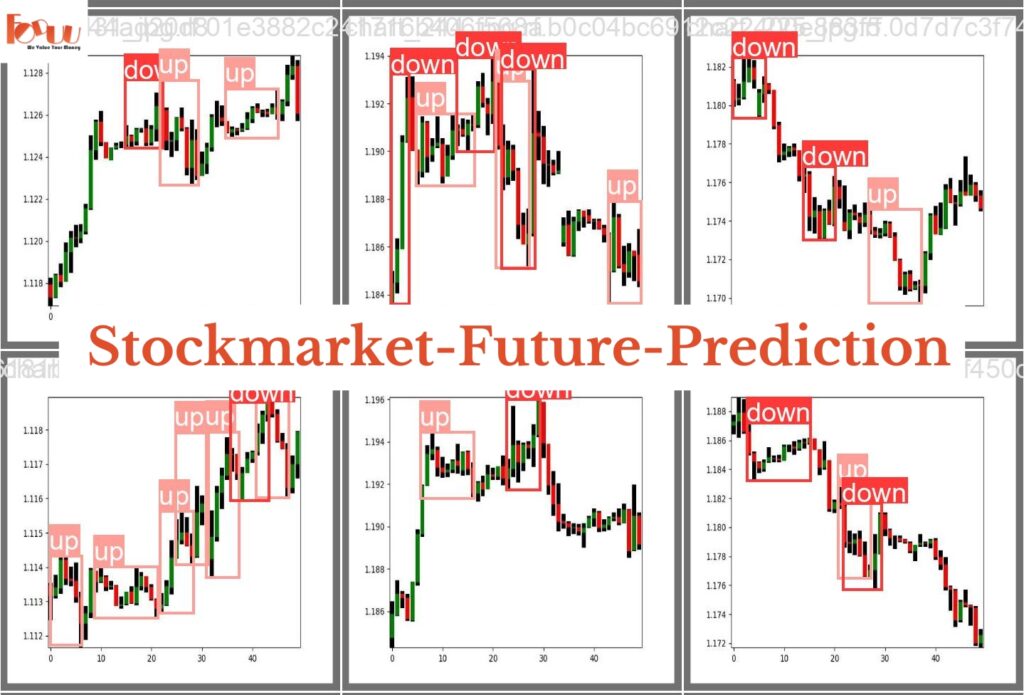
Technical analysis involves studying historical price charts and trading volumes to identify patterns and trends. Technical analysts use various indicators, such as moving averages, relative strength index (RSI), and Fibonacci retracements, to predict future price movements. While technical analysis can be useful for short-term trading, its effectiveness in predicting long-term market trends is debated. It’s important to remember that past performance is not indicative of future results. Many investors look at technical indicators for their stock market predictions for tomorrow. [See also: Understanding Technical Indicators for Stock Trading]
Fundamental Analysis
Fundamental analysis focuses on evaluating the intrinsic value of a company by examining its financial statements, industry outlook, and competitive landscape. Fundamental analysts assess factors such as revenue growth, profitability, debt levels, and management quality to determine whether a stock is undervalued or overvalued. This approach is typically used for long-term investment decisions. The core of fundamental analysis helps shape long-term stock market predictions for tomorrow and beyond.
Quantitative Analysis
Quantitative analysis utilizes mathematical and statistical models to identify trading opportunities. Quantitative analysts develop algorithms that analyze vast amounts of data, including historical prices, economic indicators, and news sentiment, to generate trading signals. This approach relies on objective data and statistical relationships, aiming to eliminate emotional biases from investment decisions. The complex algorithms used in quantitative analysis aim to refine stock market predictions for tomorrow.
Sentiment Analysis
Sentiment analysis involves gauging investor sentiment by analyzing news articles, social media posts, and online forums. This approach seeks to identify prevailing market psychology and predict how it might influence stock prices. Sentiment analysis can provide valuable insights into short-term market trends and potential turning points. The overall market mood can significantly impact stock market predictions for tomorrow.
Machine Learning and Artificial Intelligence
Machine learning and artificial intelligence (AI) are increasingly being used to improve the accuracy of stock market predictions for tomorrow. AI algorithms can analyze vast amounts of data and identify complex patterns that humans might miss. These algorithms can be trained to predict stock prices based on a variety of factors, including historical data, economic indicators, and news sentiment. While AI shows promise, it’s important to recognize that even the most sophisticated algorithms are not foolproof. The future of stock market predictions for tomorrow may heavily rely on AI advancements. [See also: The Role of AI in Financial Markets]
Challenges and Limitations of Stock Market Predictions
Despite the advancements in forecasting techniques, predicting the stock market predictions for tomorrow remains inherently challenging due to several factors:
- Market Volatility: Unexpected events and rapid shifts in investor sentiment can cause significant price fluctuations, making it difficult to predict short-term market movements.
- Data Limitations: Historical data may not always be a reliable predictor of future performance, especially in rapidly changing market conditions.
- Model Complexity: Complex models can be difficult to interpret and may be prone to overfitting, leading to inaccurate predictions.
- Unforeseen Events: Black swan events, such as pandemics or financial crises, can disrupt even the most sophisticated forecasting models.
- Human Behavior: The unpredictable nature of human behavior and emotions can significantly impact market movements.
Strategies for Navigating Market Uncertainty
Given the inherent uncertainties of the stock market, it’s crucial to adopt strategies that mitigate risk and enhance long-term investment success. Here are some key approaches:
- Diversification: Spreading investments across different asset classes, industries, and geographic regions can reduce the impact of individual stock fluctuations on overall portfolio performance.
- Long-Term Investing: Focusing on long-term investment goals and avoiding short-term speculation can help weather market volatility.
- Risk Management: Setting stop-loss orders and managing position sizes can limit potential losses.
- Continuous Learning: Staying informed about market trends, economic developments, and company performance is essential for making informed investment decisions.
- Professional Advice: Consulting with a qualified financial advisor can provide personalized guidance and support.
The Role of News and Information in Stock Market Predictions
Timely and accurate information plays a crucial role in shaping stock market predictions for tomorrow. News events, earnings announcements, and economic data releases can trigger significant market reactions. Investors must stay informed about these developments and understand their potential impact on stock prices. However, it’s important to critically evaluate news sources and avoid being swayed by sensational headlines or unsubstantiated rumors. Access to reliable information is key when making decisions based on stock market predictions for tomorrow. [See also: How to Analyze Financial News Effectively]
The Impact of Global Events on Stock Market Predictions
Global events, such as political instability, trade disputes, and natural disasters, can have a profound impact on stock market predictions for tomorrow. These events can create uncertainty and volatility in the market, making it difficult to predict short-term price movements. Investors need to carefully assess the potential implications of global events on their investment portfolios and adjust their strategies accordingly. A global perspective is essential when formulating stock market predictions for tomorrow.
Conclusion: Embracing Uncertainty in Stock Market Investing
While the pursuit of accurate stock market predictions for tomorrow is a constant endeavor, it’s important to recognize the inherent uncertainties of the market. No forecasting method is perfect, and unforeseen events can always disrupt even the most sophisticated models. By understanding market dynamics, employing sound investment strategies, and staying informed about relevant developments, investors can navigate the complexities of the stock market and achieve their long-term financial goals. The key is to embrace uncertainty, manage risk effectively, and maintain a long-term perspective. Remember that stock market predictions for tomorrow are only a piece of the puzzle, and sound investment principles should always guide your decisions. Good luck with your investments, and remember to always do your own research before making any financial decisions based on stock market predictions for tomorrow.
