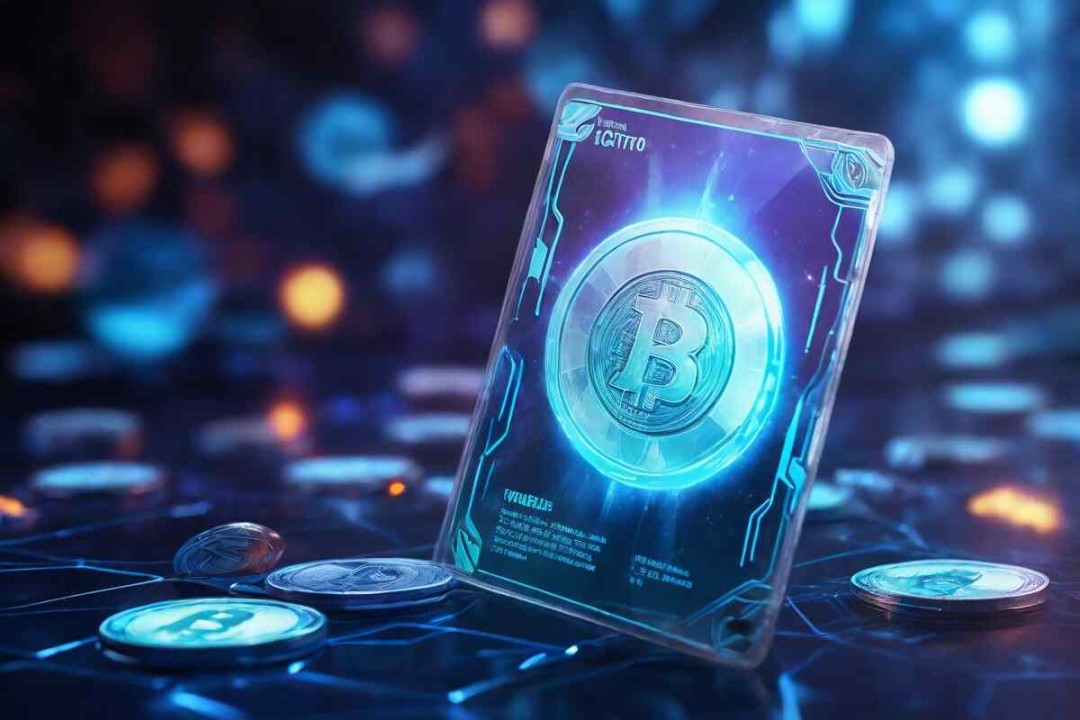

NFT Trading Cards: A Comprehensive Guide to Collecting and Investing
The world of Non-Fungible Tokens (NFTs) has exploded in recent years, extending far beyond digital art and collectibles. One particularly compelling application is in the realm of NFT trading cards. These digital assets offer a unique blend of nostalgia, investment potential, and cutting-edge technology, attracting both seasoned collectors and newcomers alike. This article delves into the intricacies of NFT trading cards, exploring their history, how they work, where to find them, and the potential risks and rewards involved.
What are NFT Trading Cards?
NFT trading cards are digital collectibles that represent ownership of a unique piece of content, typically an image, video, or audio clip. Unlike physical trading cards, NFT trading cards are stored on a blockchain, a decentralized and secure digital ledger. This ensures their authenticity and scarcity, which are crucial factors driving their value. The concept is simple: instead of owning a physical card, you own a digital token that verifies your ownership of that card.
The Evolution from Physical to Digital
The tradition of collecting trading cards dates back to the late 19th century, with tobacco companies including cards featuring athletes and celebrities in their cigarette packs. Over time, trading cards evolved into a multi-billion dollar industry, encompassing sports, entertainment, and even historical figures. The advent of the internet and blockchain technology paved the way for NFT trading cards, offering a digital alternative that addresses some of the limitations of physical cards, such as counterfeiting and storage issues.
How do NFT Trading Cards Work?
NFT trading cards operate on blockchain technology, most commonly the Ethereum blockchain, though other blockchains like Solana and Tezos are also gaining popularity. Each NFT trading card is a unique token with specific metadata, including the card’s name, description, rarity, and associated artwork. This metadata is permanently recorded on the blockchain, making it immutable and verifiable. When you purchase an NFT trading card, you are essentially acquiring ownership of that token, which is stored in your digital wallet.
Minting and Smart Contracts
The process of creating an NFT trading card is called minting. This involves writing a smart contract, a self-executing agreement coded into the blockchain, that defines the card’s properties and rules. Smart contracts can also automate certain functions, such as royalty payments to the creator whenever the card is resold. This ensures that artists and creators continue to benefit from the secondary market for their NFT trading cards.
Blockchain and Scarcity
The blockchain’s inherent transparency and security are key advantages of NFT trading cards. Every transaction involving the card is recorded on the blockchain, making it easy to verify its provenance and ownership history. Furthermore, the limited supply of NFT trading cards, often determined by the smart contract, creates scarcity, which can drive up their value. Some NFT trading cards are one-of-a-kind, while others are released in limited editions, adding to their collectibility.
Where to Find NFT Trading Cards
Numerous platforms and marketplaces specialize in NFT trading cards, offering a wide selection of collections and individual cards. Some of the most popular platforms include:
- OpenSea: One of the largest NFT marketplaces, offering a vast selection of trading cards and other digital assets.
- Rarible: A community-governed marketplace that allows creators to mint and sell their NFT trading cards directly to collectors.
- Magic Eden: A leading NFT marketplace on the Solana blockchain, known for its fast transaction speeds and low fees.
- Nifty Gateway: A curated platform that partners with established artists and brands to release exclusive NFT trading card collections.
- Immutable X: A layer-2 scaling solution for Ethereum, designed to facilitate faster and cheaper NFT transactions, making it ideal for trading cards.
In addition to these general marketplaces, some sports leagues and entertainment companies have launched their own dedicated NFT trading card platforms. For example, the NBA has NBA Top Shot, which features officially licensed NFT highlights of basketball games. [See also: NBA Top Shot Guide] Similarly, Topps, a well-known trading card company, has released digital versions of its baseball cards as NFTs.
Investing in NFT Trading Cards: Risks and Rewards
Investing in NFT trading cards can be both exciting and potentially lucrative, but it’s essential to understand the risks involved. The market for NFTs is highly volatile, and prices can fluctuate dramatically. What’s popular today may not be popular tomorrow, so it’s crucial to do your research and invest wisely.
Potential Rewards
- High Returns: Some NFT trading cards have seen significant appreciation in value, offering investors substantial returns.
- Collectibility: NFT trading cards can be a fun and rewarding hobby, allowing collectors to own unique pieces of digital history.
- Community: The NFT community is vibrant and engaged, offering opportunities to connect with like-minded individuals.
- Innovation: Investing in NFT trading cards supports the development of blockchain technology and its potential applications.
Potential Risks
- Volatility: The NFT market is highly volatile, and prices can drop sharply and unexpectedly.
- Liquidity: Selling NFT trading cards can be challenging, especially for less popular or niche collections.
- Scams and Fraud: The NFT space is vulnerable to scams and fraud, so it’s crucial to be cautious and do your due diligence.
- Security Risks: Digital wallets and NFT marketplaces can be targeted by hackers, so it’s essential to protect your assets with strong passwords and two-factor authentication.
- Regulatory Uncertainty: The regulatory landscape for NFTs is still evolving, and changes in regulations could impact the value of NFT trading cards.
Tips for Collecting and Investing in NFT Trading Cards
If you’re interested in collecting or investing in NFT trading cards, here are some tips to help you get started:
- Do Your Research: Before investing in any NFT trading card, research the project, the creators, and the market trends.
- Start Small: Begin with a small investment and gradually increase your holdings as you gain experience.
- Diversify Your Portfolio: Don’t put all your eggs in one basket. Diversify your NFT trading card portfolio to mitigate risk.
- Use Secure Wallets: Choose a reputable and secure digital wallet to store your NFT trading cards.
- Stay Informed: Keep up-to-date with the latest news and developments in the NFT space.
- Engage with the Community: Join online forums and social media groups to connect with other NFT enthusiasts and learn from their experiences.
The Future of NFT Trading Cards
The future of NFT trading cards looks promising, with ongoing innovations and increasing adoption. As blockchain technology continues to evolve, we can expect to see new features and functionalities added to NFT trading cards, such as interactive elements, augmented reality integration, and personalized experiences. The integration of NFT trading cards into games and virtual worlds is also a growing trend, offering new ways for collectors to showcase and utilize their digital assets. [See also: The Metaverse and NFTs]
Increased Adoption and Mainstream Appeal
As more mainstream brands and celebrities enter the NFT space, NFT trading cards are likely to gain even wider appeal. The combination of collectibility, investment potential, and technological innovation makes NFT trading cards an attractive option for both seasoned collectors and newcomers to the world of digital assets. As the market matures and regulatory frameworks become clearer, NFT trading cards are poised to become an increasingly integral part of the digital economy.
Conclusion
NFT trading cards represent a fascinating intersection of technology, culture, and investment. While the market is still relatively new and volatile, the potential rewards are significant for those who are willing to do their research and invest wisely. Whether you’re a seasoned collector or a curious newcomer, NFT trading cards offer a unique opportunity to participate in the future of digital collectibles. By understanding the underlying technology, the risks and rewards involved, and the strategies for successful collecting and investing, you can navigate the world of NFT trading cards with confidence and potentially reap the benefits of this exciting new asset class.
