Predicting the Market Tomorrow: Strategies and Insights for Investors
The quest to predict the market tomorrow is a perennial pursuit for investors and financial analysts alike. While a crystal ball remains elusive, a combination of sophisticated analytical tools, economic indicators, and a deep understanding of market dynamics can offer valuable insights. This article delves into the various strategies and factors involved in attempting to forecast short-term market movements, providing a comprehensive overview for those seeking to navigate the complexities of the financial world. Understanding the potential of predicting the market tomorrow is key to making informed investment decisions.
Understanding Market Prediction: A Multifaceted Approach
Market prediction isn’t about guaranteeing future outcomes; it’s about assessing probabilities and making informed decisions based on available data. Several approaches are commonly used, each with its strengths and limitations.
Technical Analysis: Deciphering Patterns
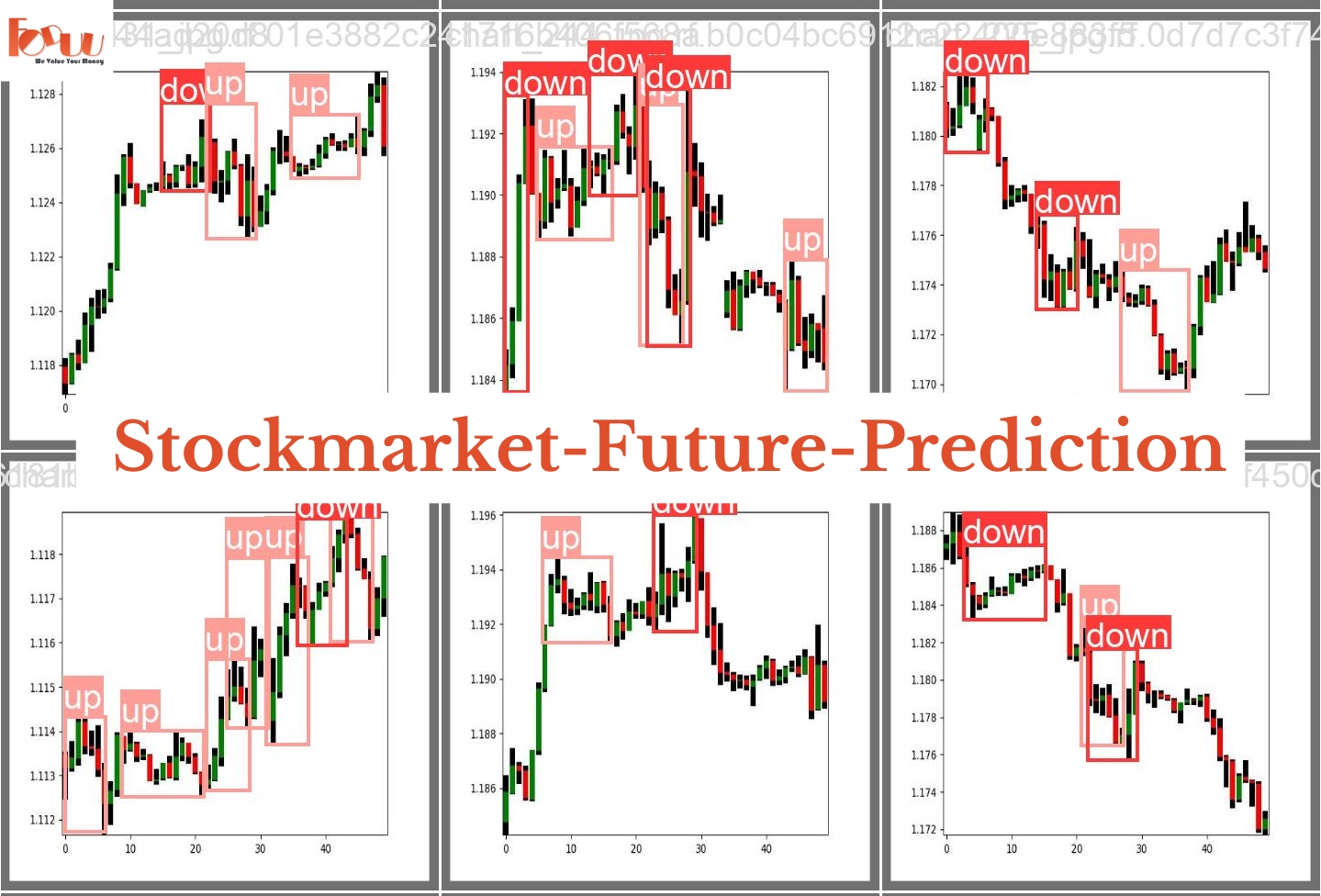
Technical analysis involves studying historical price and volume data to identify patterns and trends. Chart patterns like head and shoulders, double tops, and flags are used to predict future price movements. Indicators such as moving averages, Relative Strength Index (RSI), and Moving Average Convergence Divergence (MACD) help gauge momentum and potential reversal points. However, technical analysis is subjective and can be prone to interpretation bias. Many believe that attempting to use technical analysis to predict the market tomorrow is futile.
Fundamental Analysis: Evaluating Intrinsic Value
Fundamental analysis focuses on evaluating the intrinsic value of assets by examining economic factors, industry trends, and company financials. Key economic indicators like GDP growth, inflation rates, and unemployment figures provide insights into the overall health of the economy. Analyzing company-specific data, such as revenue growth, profit margins, and debt levels, helps determine the fair value of a stock. While fundamental analysis is useful for long-term investment decisions, its predictive power for short-term market movements is limited. It doesn’t always accurately predict the market tomorrow.
Sentiment Analysis: Gauging Market Psychology
Sentiment analysis involves assessing the overall mood or sentiment of market participants. This can be done by analyzing news articles, social media posts, and investor surveys. Bullish sentiment indicates optimism, while bearish sentiment suggests pessimism. Sentiment indicators can be contrarian, meaning that extreme bullish sentiment may signal a market top, while extreme bearish sentiment may indicate a market bottom. Predicting the market tomorrow often involves monitoring sentiment, but it is a volatile and often misleading indicator.
Key Factors Influencing Market Movements
Several factors can significantly impact market movements, making accurate prediction a challenging task. Understanding these factors is crucial for anyone attempting to forecast the market tomorrow.
Economic Data Releases: A Snapshot of the Economy
Economic data releases, such as GDP growth, inflation rates, unemployment figures, and consumer confidence indices, can trigger significant market reactions. Positive economic data typically boosts market sentiment, while negative data can lead to sell-offs. The timing and magnitude of these reactions can be difficult to predict, as they depend on market expectations and the overall economic context. For instance, if the market expects a higher inflation rate, a slightly lower-than-expected rate may still lead to a positive market response. These releases are important, but don’t guarantee you can predict the market tomorrow.
Geopolitical Events: Unforeseen Disruptions
Geopolitical events, such as political instability, trade wars, and international conflicts, can introduce significant uncertainty into the market. These events can disrupt supply chains, increase risk aversion, and lead to sudden market corrections. Predicting the market tomorrow becomes exceptionally difficult in the face of geopolitical turmoil. For example, a sudden escalation of tensions between major economic powers can trigger a global market sell-off.
Company Earnings Announcements: A Microscopic View
Company earnings announcements provide insights into the financial performance of individual companies. Positive earnings surprises typically lead to stock price increases, while negative surprises can trigger sell-offs. The impact of earnings announcements on the overall market depends on the size and influence of the company. Major companies like Apple, Microsoft, and Amazon can significantly impact market indices. Analyzing earnings reports is important, but doesn’t fully predict the market tomorrow.
Interest Rate Policies: Central Bank Influence
Central banks, such as the Federal Reserve in the United States and the European Central Bank, play a crucial role in influencing market movements through interest rate policies. Lowering interest rates can stimulate economic growth and boost market sentiment, while raising rates can curb inflation and cool down the economy. Market participants closely monitor central bank announcements and policy decisions. Predicting the market tomorrow requires understanding the potential impact of interest rate changes on various asset classes. [See also: How Interest Rates Affect Stock Prices]
Strategies for Short-Term Market Prediction
While predicting the market tomorrow with certainty is impossible, several strategies can improve the odds of making informed trading decisions.
Algorithmic Trading: Harnessing the Power of Data
Algorithmic trading involves using computer programs to execute trades based on predefined rules and parameters. These algorithms can analyze vast amounts of data in real-time and identify trading opportunities that humans may miss. Algorithmic trading can be used to exploit short-term market inefficiencies and generate profits from small price movements. However, it requires sophisticated programming skills and access to high-speed data feeds. The effectiveness of algorithmic trading in predicting the market tomorrow depends on the quality of the algorithms and the availability of reliable data.
Options Trading: Hedging and Speculation
Options trading involves buying or selling contracts that give the holder the right, but not the obligation, to buy or sell an underlying asset at a specific price within a specific time frame. Options can be used to hedge against market risk or to speculate on future price movements. Strategies like covered calls, protective puts, and straddles can be used to profit from different market scenarios. Options trading requires a deep understanding of market dynamics and risk management principles. It can be used to profit, but won’t ultimately predict the market tomorrow.
Day Trading: A High-Risk, High-Reward Approach
Day trading involves buying and selling assets within the same day, with the goal of profiting from small price fluctuations. Day traders rely on technical analysis, chart patterns, and short-term market indicators to make trading decisions. Day trading is a high-risk, high-reward strategy that requires discipline, patience, and a strong understanding of market dynamics. It is not suitable for novice investors. Accurately predicting the market tomorrow is crucial for successful day trading, but even experienced traders face significant challenges.
The Role of Technology in Market Prediction
Technology plays an increasingly important role in market prediction, enabling analysts and investors to access and process vast amounts of data more efficiently. Advanced analytical tools and machine learning algorithms are being used to identify patterns and trends that were previously undetectable. Predicting the market tomorrow is often aided by technology, but it is not a replacement for human judgement.
Machine Learning: Uncovering Hidden Patterns
Machine learning algorithms can analyze historical market data to identify patterns and trends that may not be apparent to human analysts. These algorithms can be trained to predict future price movements based on a variety of factors, including economic data, sentiment indicators, and technical indicators. However, machine learning models are only as good as the data they are trained on, and they can be prone to overfitting, meaning that they perform well on historical data but poorly on new data. Predicting the market tomorrow with machine learning requires careful model selection, validation, and ongoing monitoring.
Big Data Analytics: Processing Massive Datasets
Big data analytics involves processing and analyzing massive datasets to extract valuable insights. This can include data from social media, news articles, financial statements, and economic reports. Big data analytics can help investors identify emerging trends, assess market sentiment, and make more informed investment decisions. The ability to process and analyze large amounts of data is crucial for anyone attempting to predict the market tomorrow. [See also: The Impact of Big Data on Financial Markets]
Limitations and Risks of Market Prediction
It is important to acknowledge the limitations and risks associated with market prediction. Despite the advancements in analytical tools and technology, predicting the market tomorrow with certainty remains an elusive goal.
Market Volatility: Unpredictable Swings
Market volatility can make accurate prediction extremely difficult. Unexpected events, such as geopolitical crises, economic shocks, and natural disasters, can trigger sudden and significant market swings. These events are often unpredictable and can invalidate even the most sophisticated forecasting models. Predicting the market tomorrow requires accounting for the possibility of unforeseen events and managing risk accordingly.
Information Asymmetry: Unequal Access to Data
Information asymmetry refers to the unequal distribution of information among market participants. Some investors may have access to privileged information that is not available to the general public. This can give them an unfair advantage in predicting market movements. Regulatory bodies, such as the Securities and Exchange Commission (SEC), work to prevent insider trading and ensure fair access to information. However, information asymmetry remains a challenge for those attempting to predict the market tomorrow.
Behavioral Biases: Irrational Decision-Making
Behavioral biases can influence investor decision-making and lead to irrational market movements. Common biases include confirmation bias, herding behavior, and loss aversion. These biases can distort market signals and make accurate prediction more difficult. Understanding behavioral biases and their potential impact on market movements is crucial for anyone attempting to predict the market tomorrow.
Conclusion: A Balanced Approach to Market Forecasting
While predicting the market tomorrow with certainty is impossible, a combination of sophisticated analytical tools, economic indicators, and a deep understanding of market dynamics can offer valuable insights. Investors should adopt a balanced approach, considering both technical and fundamental analysis, monitoring market sentiment, and being aware of the limitations and risks associated with market prediction. By combining these strategies, investors can improve their odds of making informed trading decisions and navigating the complexities of the financial world. Ultimately, understanding the nuances of attempting to predict the market tomorrow is key to long-term investment success.
