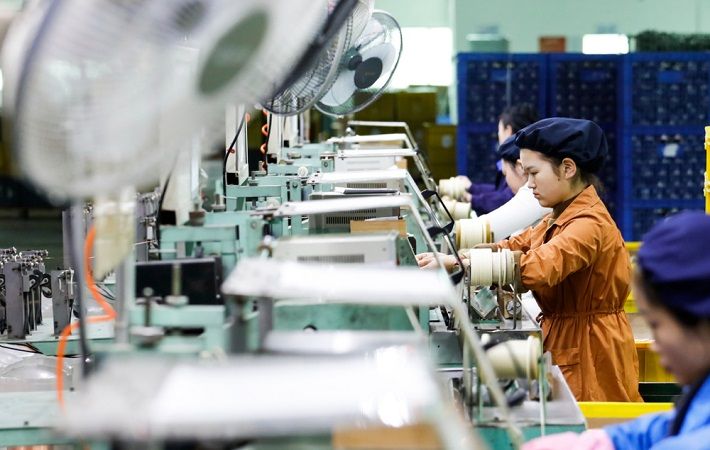
Producing in China: A Comprehensive Guide for Businesses
For decades, producing in China has been a cornerstone of global manufacturing. The country’s vast industrial capacity, relatively lower labor costs, and established supply chains have made it an attractive option for businesses of all sizes. However, navigating the complexities of producing in China requires careful planning, due diligence, and a thorough understanding of the local business environment. This guide provides a comprehensive overview of the key considerations for companies looking to establish or maintain manufacturing operations in China.
Why Produce in China? The Advantages
The allure of producing in China stems from several compelling advantages:
- Cost Competitiveness: While labor costs have risen in recent years, China still offers competitive pricing, particularly for large-scale production runs.
- Established Supply Chains: China boasts mature and well-integrated supply chains, making it easier to source raw materials, components, and packaging.
- Vast Industrial Capacity: The country possesses a massive industrial base, capable of handling diverse manufacturing processes and volumes.
- Skilled Workforce: China has a large and increasingly skilled workforce, capable of operating complex machinery and implementing advanced manufacturing techniques.
- Infrastructure: China’s infrastructure, including ports, highways, and railways, is well-developed, facilitating efficient transportation of goods.
The Challenges of Producing in China
Despite the advantages, producing in China also presents several challenges that businesses must address:
- Intellectual Property Protection: Protecting intellectual property remains a significant concern. Companies must take proactive measures to safeguard their designs, technologies, and trademarks.
- Quality Control: Maintaining consistent quality requires rigorous quality control processes and close monitoring of production.
- Cultural Differences: Understanding and navigating cultural differences is crucial for effective communication and collaboration with Chinese partners and employees.
- Regulatory Compliance: China’s regulatory environment is complex and constantly evolving. Businesses must stay informed about the latest regulations and ensure compliance.
- Communication Barriers: Language barriers and differences in communication styles can create challenges.
- Geopolitical Risks: Shifting global trade dynamics and geopolitical tensions can impact supply chains and market access.
Key Considerations Before Producing in China
Before committing to producing in China, businesses should carefully consider the following factors:
Market Research and Analysis
Conduct thorough market research to assess the demand for your product in China and identify potential competitors. Understand the local market dynamics, consumer preferences, and regulatory landscape. [See also: Understanding Chinese Consumer Behavior]
Product Suitability
Determine whether your product is suitable for manufacturing in China. Consider factors such as complexity, material requirements, and production volume. Some products may be better suited for production in other countries.
Cost Analysis
Conduct a detailed cost analysis, including labor, materials, transportation, tariffs, and other expenses. Compare the costs of producing in China with those of other manufacturing locations. Be sure to include all hidden costs.
Supplier Selection
Choosing the right supplier is crucial. Evaluate potential suppliers based on their experience, capabilities, quality control processes, and financial stability. Conduct thorough due diligence and obtain references. [See also: Vetting Chinese Suppliers: A Due Diligence Checklist]
Legal and Regulatory Compliance
Ensure that you comply with all applicable laws and regulations, including environmental regulations, labor laws, and product safety standards. Seek legal advice to understand your obligations and protect your interests.
Intellectual Property Protection
Take proactive measures to protect your intellectual property, such as registering your trademarks and patents in China. Implement strict confidentiality agreements with your suppliers and employees. Consider using advanced technologies to track and monitor your products.
Strategies for Successful Production in China
To maximize your chances of success when producing in China, consider the following strategies:
Develop a Strong Relationship with Your Supplier
Building a strong and trusting relationship with your supplier is essential. Communicate openly and frequently, and visit their facilities regularly. Treat your supplier as a partner, not just a vendor.
Implement Robust Quality Control Processes
Implement a comprehensive quality control system, including pre-production inspections, in-process inspections, and final inspections. Use independent third-party inspection services to ensure objectivity. Don’t cut corners on quality control.
Hire Local Expertise
Consider hiring local staff or consultants who are familiar with the Chinese business environment and culture. They can provide valuable insights and help you navigate the complexities of producing in China.
Protect Your Intellectual Property
Implement a multi-layered approach to intellectual property protection, including legal measures, technical measures, and administrative measures. Regularly monitor the market for counterfeit products and take swift action against infringers.
Stay Informed About Regulatory Changes
Keep abreast of changes in China’s regulatory environment. Subscribe to industry newsletters, attend seminars, and consult with legal experts. Be prepared to adapt your operations to comply with new regulations.
Diversify Your Supply Chain
To mitigate risks associated with producing in China, consider diversifying your supply chain by sourcing from multiple countries. This can reduce your reliance on a single supplier or region and provide greater flexibility in the event of disruptions.
The Future of Producing in China
The landscape of producing in China is constantly evolving. Rising labor costs, increasing automation, and growing competition from other countries are reshaping the manufacturing landscape. Companies must adapt to these changes by investing in technology, improving efficiency, and focusing on higher-value-added products. While some companies are exploring alternative manufacturing locations, China’s vast industrial ecosystem and infrastructure mean it will remain a key player in global manufacturing for the foreseeable future. The key is adapting your strategy to the current climate. [See also: The Impact of Automation on Manufacturing in China]
Conclusion
Producing in China can offer significant advantages for businesses seeking cost-effective manufacturing solutions. However, it also presents several challenges that must be addressed proactively. By carefully considering the factors outlined in this guide and implementing effective strategies, companies can successfully navigate the complexities of producing in China and achieve their manufacturing goals. The decision to move production or continue producing in China requires careful consideration of the current and future global landscape. Producing in China necessitates a robust understanding of the market, regulations, and cultural nuances. The benefits of producing in China, such as cost savings and established supply chains, must be weighed against the risks, including intellectual property concerns and geopolitical uncertainties. Successful producing in China requires a proactive and informed approach. Many businesses are still producing in China and finding success. The key to successful producing in China is adaptability. Consider all factors when producing in China, and plan accordingly. Ultimately, producing in China can be a rewarding venture with careful planning. Businesses producing in China need to stay vigilant about market trends. Producing in China is an ongoing process that requires constant evaluation. The landscape of producing in China is constantly changing. The decision of producing in China should be re-evaluated regularly.
