Riding the Rocket: Understanding and Identifying Parabolic Stocks
In the dynamic world of stock trading, certain patterns capture the attention of investors more than others. One such pattern is the formation of parabolic stocks. These stocks experience rapid and often dramatic price increases over a relatively short period, resembling the shape of a parabola on a price chart. While the potential for substantial profits is alluring, understanding the underlying dynamics and risks associated with parabolic stocks is crucial for informed decision-making.
This article delves into the intricacies of parabolic stocks, exploring their characteristics, the factors that contribute to their formation, strategies for identifying them, and the inherent risks involved. Whether you’re a seasoned trader or a novice investor, gaining a comprehensive understanding of parabolic stocks can help you navigate the market with greater confidence and potentially capitalize on opportunities while mitigating potential losses. The goal is to equip you with the knowledge to discern between a genuine growth story and a speculative bubble.
What Exactly Are Parabolic Stocks?
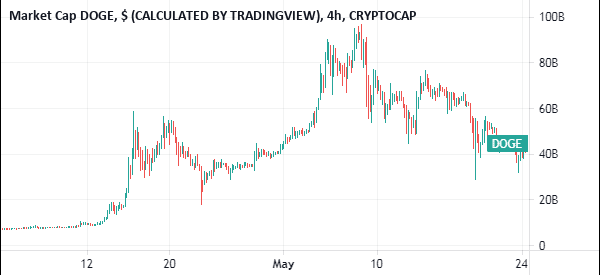
A parabolic stock is characterized by a steep, almost vertical, upward trajectory in its price. This surge is typically driven by intense buying pressure, often fueled by a combination of factors such as positive news, strong earnings reports, industry trends, or simply investor sentiment. The price action resembles a parabola when viewed on a chart, hence the name. This upward movement is unsustainable in the long run, and eventually, the stock price will correct downwards.
Unlike stocks that experience gradual and steady growth, parabolic stocks see exponential gains in a compressed timeframe. This rapid ascent can be both exciting and dangerous, as the higher the price climbs, the greater the potential for a sharp and sudden decline. Identifying these patterns early can offer opportunities for short-term gains, but it also requires vigilance and a clear exit strategy.
Factors Fueling the Parabolic Rise
Several factors can contribute to the formation of a parabolic stock. Understanding these factors is key to identifying potential candidates and assessing the sustainability of the upward trend.
Positive News and Catalysts
A significant catalyst, such as a groundbreaking product announcement, a major contract win, or a positive regulatory change, can trigger a surge in investor interest and buying pressure. This news can create a positive feedback loop, where the rising price attracts even more buyers, further accelerating the upward trend. News related to advancements in AI or the renewable energy sectors, for example, could trigger a parabolic move in relevant stocks.
Strong Earnings Reports
Consistently exceeding earnings expectations can signal strong financial performance and growth potential, attracting investors and driving up the stock price. A company that consistently beats analyst estimates and demonstrates strong revenue growth is more likely to experience a parabolic run. This is especially true if the earnings are accompanied by positive guidance for future performance.
Industry Trends and Sector Rotation
Certain industries or sectors may experience periods of heightened investor interest, leading to a surge in demand for stocks within those sectors. This phenomenon, known as sector rotation, can create opportunities for parabolic moves in specific stocks. For example, if the market is bullish on electric vehicles, companies in that sector might experience rapid price appreciation.
Social Media and Investor Sentiment
The power of social media and online communities can significantly influence investor sentiment and drive buying pressure. Viral trends, endorsements from influential figures, and coordinated buying campaigns can all contribute to the formation of a parabolic stock. Meme stocks, for instance, have demonstrated the power of social media in driving dramatic price increases, often detached from fundamental value.
Short Squeezes
A short squeeze occurs when a heavily shorted stock experiences a sudden price increase, forcing short sellers to cover their positions by buying back the stock. This buying pressure further accelerates the upward trend, potentially leading to a parabolic move. The GameStop saga is a prime example of a short squeeze fueling a dramatic price surge.
Identifying Potential Parabolic Stocks
While predicting the future is impossible, certain indicators can help identify stocks that have the potential to go parabolic. These indicators involve analyzing price charts, volume, and other technical and fundamental factors.
Chart Patterns and Technical Analysis
Looking for specific chart patterns, such as breakouts above key resistance levels, can provide clues about potential parabolic moves. Technical indicators like the Relative Strength Index (RSI) and Moving Average Convergence Divergence (MACD) can also help assess the strength and momentum of the upward trend. A stock consistently making higher highs and higher lows, coupled with increasing volume, is often a strong candidate.
Volume Surge
A significant increase in trading volume often accompanies a parabolic move. This surge in volume indicates heightened investor interest and buying pressure, further fueling the upward trend. Monitoring volume is crucial, as a lack of volume can signal that the rally is losing steam.
News and Social Media Monitoring
Staying informed about the latest news, trends, and social media discussions related to specific stocks can provide valuable insights into potential parabolic moves. Monitoring news releases, financial reports, and online forums can help identify stocks that are generating significant buzz and investor interest. Tools that track social media sentiment can also be beneficial.
Fundamental Analysis
While parabolic moves are often driven by short-term factors, a strong underlying business can provide a foundation for sustained growth. Analyzing a company’s financial statements, industry position, and growth prospects can help assess the long-term potential of the stock. Look for companies with strong revenue growth, healthy profit margins, and a competitive advantage in their respective industries. [See also: Analyzing Financial Statements for Stock Selection]
The Risks Associated with Parabolic Stocks
Investing in parabolic stocks comes with significant risks. The rapid price increases are often unsustainable, and the subsequent corrections can be swift and severe. Understanding these risks is crucial for managing your portfolio and avoiding substantial losses.
High Volatility
Parabolic stocks are inherently volatile, meaning their prices can fluctuate dramatically in a short period. This volatility can lead to significant gains, but it also exposes investors to the risk of substantial losses. Be prepared for rapid price swings and have a risk management strategy in place.
Unsustainable Growth
The rapid price increases associated with parabolic stocks are often unsustainable in the long run. Eventually, the stock price will correct downwards, potentially leading to significant losses for investors who bought in at the peak. It’s crucial to recognize that what goes up must come down.
Market Manipulation and Pump-and-Dump Schemes
Some parabolic moves are driven by market manipulation or pump-and-dump schemes, where individuals or groups artificially inflate the stock price through false or misleading information. Once the price reaches a certain level, they sell their shares for a profit, leaving other investors with substantial losses. Be wary of stocks with little or no fundamental value that are experiencing rapid price increases.
Emotional Investing
The excitement surrounding parabolic stocks can lead to emotional investing, where investors make decisions based on fear of missing out (FOMO) rather than rational analysis. This can lead to poor investment choices and potentially significant losses. It’s important to remain disciplined and stick to your investment strategy.
Strategies for Trading Parabolic Stocks
If you choose to trade parabolic stocks, it’s essential to have a well-defined strategy in place. This strategy should include clear entry and exit points, risk management techniques, and a disciplined approach to trading.
Early Entry and Exit Points
Identifying potential parabolic moves early is crucial for maximizing potential profits. Look for stocks that are showing signs of strong momentum and have the potential to experience rapid price increases. However, it’s equally important to have a clear exit strategy in place. Set stop-loss orders to limit potential losses and take profits when the stock reaches your target price.
Risk Management Techniques
Managing risk is paramount when trading parabolic stocks. Use stop-loss orders to limit potential losses and diversify your portfolio to reduce your overall exposure. Avoid investing more than you can afford to lose and be prepared to exit your position quickly if the stock price starts to decline.
Trailing Stop-Loss Orders
A trailing stop-loss order is a type of stop-loss order that automatically adjusts as the stock price increases. This allows you to protect your profits while still participating in the upward trend. As the stock price rises, the trailing stop-loss order moves up as well, ensuring that you lock in gains while minimizing potential losses. [See also: Advanced Stop Loss Order Strategies]
Diversification
Don’t put all your eggs in one basket. Diversify your portfolio across different asset classes and sectors to reduce your overall risk. Avoid concentrating your investments in a single parabolic stock, as this can expose you to significant losses if the stock price declines.
Conclusion: Navigating the Parabolic Stock Landscape
Parabolic stocks offer the potential for substantial profits, but they also come with significant risks. Understanding the factors that contribute to their formation, identifying potential candidates, and implementing a well-defined trading strategy are crucial for navigating this dynamic landscape. By remaining informed, disciplined, and focused on risk management, investors can potentially capitalize on opportunities while mitigating potential losses. Remember that caution and thorough research are your best allies in the world of parabolic stocks.
Before investing in any parabolic stock, it’s always wise to consult with a financial advisor to ensure that your investment decisions align with your overall financial goals and risk tolerance. Investing in parabolic stocks requires a high level of risk tolerance and should only be considered by experienced traders with a solid understanding of market dynamics.
Ultimately, successful trading of parabolic stocks involves a combination of technical analysis, fundamental research, and disciplined risk management. By mastering these skills, investors can potentially unlock the rewards while minimizing the potential pitfalls of this exciting and volatile market segment. The key is to remember that parabolic stocks are a high-risk, high-reward game, and only those prepared to manage the risks should participate.
