Shareholder vs. Stakeholder: Understanding the Key Differences
In the complex world of business, understanding the nuances between different roles and responsibilities is crucial for success. Two terms that often get used interchangeably, but represent fundamentally different concepts, are “shareholder” and “stakeholder.” While both play significant roles in a company’s operations and overall success, their interests, influence, and relationships with the organization vary considerably. This article delves into the critical shareholder stakeholder difference, providing clarity on their respective roles, rights, and impacts on a business.
Defining Shareholders and Stakeholders
What is a Shareholder?
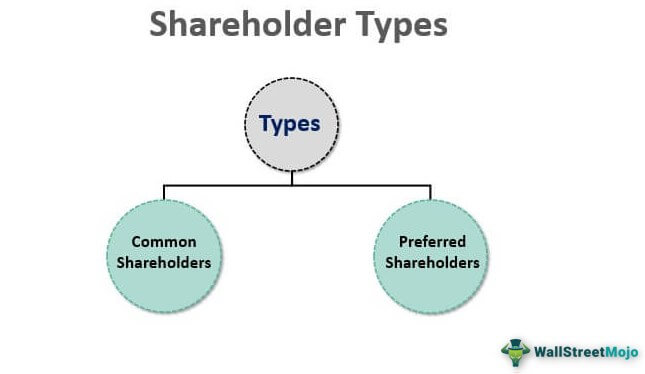
A shareholder, also known as a stockholder, is an individual or entity that owns shares of stock in a corporation. By purchasing shares, they become part-owners of the company and are entitled to a portion of the company’s profits, typically in the form of dividends. Shareholders invest capital into the company with the expectation of financial returns. Their primary interest lies in maximizing their investment and seeing the company’s stock price appreciate. Shareholders have voting rights proportionate to the number of shares they own, allowing them to influence major decisions, such as electing board members and approving significant corporate actions.
What is a Stakeholder?
A stakeholder, on the other hand, is a broader term encompassing any individual, group, or organization that has an interest in or is affected by the company’s actions and outcomes. This includes, but is not limited to, employees, customers, suppliers, creditors, the local community, and even the government. Stakeholders have a vested interest in the company’s performance and may be impacted by its decisions, whether positively or negatively. Unlike shareholders, stakeholders do not necessarily have a financial stake in the company through stock ownership; their interests can be based on various factors, such as job security, product quality, environmental impact, and ethical practices. Understanding the shareholder stakeholder difference is key to managing business effectively.
Key Differences Between Shareholders and Stakeholders
The shareholder stakeholder difference boils down to several key areas:
- Ownership vs. Interest: Shareholders are owners of the company, while stakeholders have an interest in the company’s performance and actions.
- Financial Stake: Shareholders have a direct financial stake through stock ownership, while stakeholders’ interests can be financial or non-financial.
- Voting Rights: Shareholders typically have voting rights proportionate to their share ownership, while stakeholders generally do not have direct voting rights.
- Primary Goal: Shareholders aim to maximize their investment returns, while stakeholders have diverse goals related to the company’s impact on their specific interests.
- Time Horizon: Shareholders often have a shorter-term focus on immediate financial gains, while stakeholders may have a longer-term perspective on the company’s sustainability and overall impact.
The Importance of Balancing Shareholder and Stakeholder Interests
Successfully navigating the shareholder stakeholder difference is essential for long-term business success. While prioritizing shareholder value has traditionally been the dominant approach, a growing recognition of the importance of stakeholder interests is reshaping corporate strategies. Ignoring the needs and concerns of stakeholders can lead to negative consequences, such as reputational damage, decreased employee morale, customer boycotts, and regulatory challenges. Conversely, companies that proactively engage with and address the interests of their stakeholders often experience enhanced brand loyalty, improved employee engagement, stronger supplier relationships, and a more sustainable business model.
The balancing act requires a strategic approach that considers the potential trade-offs between shareholder value and stakeholder interests. For example, investing in employee training programs may reduce short-term profits but can lead to increased productivity and employee retention in the long run, ultimately benefiting both shareholders and employees. Similarly, adopting sustainable business practices may require upfront investments but can enhance the company’s reputation and attract environmentally conscious customers, creating long-term value for both shareholders and the environment.
Examples of Shareholder and Stakeholder Conflicts
Understanding potential conflicts arising from the shareholder stakeholder difference is crucial for effective management. Here are some common examples:
- Layoffs: Shareholders may pressure management to reduce costs through layoffs to increase profits, while employees, a key stakeholder group, are directly negatively impacted by job losses.
- Environmental Impact: Shareholders may prioritize short-term profits over investments in environmental protection, leading to negative consequences for the local community and the environment, impacting stakeholders.
- Product Safety: Cutting corners on product safety to reduce costs can increase profits for shareholders but can endanger customers, a critical stakeholder group.
- Executive Compensation: Excessive executive compensation packages can be perceived as unfair by employees and other stakeholders, creating resentment and damaging morale, even if it benefits shareholders in the short term.
- Supplier Relationships: Pressuring suppliers to lower prices can increase profits for shareholders but can negatively impact suppliers’ financial stability and their ability to provide quality products or services, creating a conflict in the shareholder stakeholder difference.
Strategies for Managing Shareholder and Stakeholder Relationships
Effective communication and engagement are key to managing the shareholder stakeholder difference and fostering positive relationships. Here are some strategies that companies can employ:
- Stakeholder Mapping: Identify and prioritize key stakeholders based on their level of influence and interest in the company.
- Regular Communication: Establish open and transparent communication channels to keep stakeholders informed about the company’s performance, strategies, and initiatives.
- Stakeholder Engagement: Actively solicit feedback from stakeholders through surveys, focus groups, and meetings to understand their concerns and perspectives.
- Sustainability Reporting: Disclose the company’s environmental, social, and governance (ESG) performance to demonstrate its commitment to responsible business practices.
- Ethical Business Practices: Adhere to high ethical standards and demonstrate a commitment to social responsibility to build trust with stakeholders.
- Transparency: Be transparent about the company’s decision-making processes and the rationale behind its actions.
- Conflict Resolution Mechanisms: Establish mechanisms for addressing and resolving conflicts between shareholder and stakeholder interests.
The Evolving Landscape of Corporate Governance
The traditional focus on shareholder primacy is increasingly being challenged by a broader perspective that recognizes the importance of stakeholder capitalism. This shift reflects a growing awareness of the interconnectedness between business and society and the need for companies to create value for all stakeholders, not just shareholders. Several factors are driving this evolution, including:
- Increased Awareness of Social and Environmental Issues: Growing concerns about climate change, inequality, and social injustice are putting pressure on companies to address these issues.
- Rise of Impact Investing: Investors are increasingly seeking to invest in companies that generate positive social and environmental impact, in addition to financial returns.
- Changing Consumer Preferences: Consumers are increasingly demanding that companies be socially responsible and ethical.
- Government Regulations: Governments are implementing regulations to promote corporate social responsibility and protect stakeholder interests.
Conclusion: Navigating the Shareholder Stakeholder Difference for Sustainable Success
Understanding the shareholder stakeholder difference is paramount for businesses aiming for sustainable success in today’s dynamic environment. While shareholders play a crucial role in providing capital and driving financial performance, stakeholders represent a broader ecosystem of individuals and groups whose interests are intertwined with the company’s actions. By proactively managing stakeholder relationships, embracing ethical business practices, and adopting a stakeholder-centric approach to corporate governance, companies can create long-term value for all stakeholders and build a more resilient and responsible business model. Ultimately, recognizing and addressing the shareholder stakeholder difference allows for a more holistic and sustainable approach to business, leading to both financial prosperity and positive societal impact. [See also: Corporate Social Responsibility: A Comprehensive Guide] [See also: The Importance of Ethical Leadership in Business] [See also: ESG Investing: A Guide to Sustainable Investing]. It’s a critical element for navigating the modern business landscape effectively and ensuring long-term viability. Failing to acknowledge the shareholder stakeholder difference will leave organizations vulnerable to criticism and potentially, failure. This shareholder stakeholder difference impacts every aspect of business operations, from strategic planning to daily execution. The shareholder stakeholder difference is not just a theoretical concept; it has real-world implications for businesses of all sizes. The shareholder stakeholder difference must be considered when making any significant business decision. The successful management of the shareholder stakeholder difference is a hallmark of effective leadership. Overlooking the shareholder stakeholder difference can lead to significant reputational damage. The core of the shareholder stakeholder difference lies in the nature of their relationship to the company. Therefore, understanding the shareholder stakeholder difference is extremely important. The importance of the shareholder stakeholder difference cannot be overstated in today’s business world. The shareholder stakeholder difference impacts business strategies significantly.
