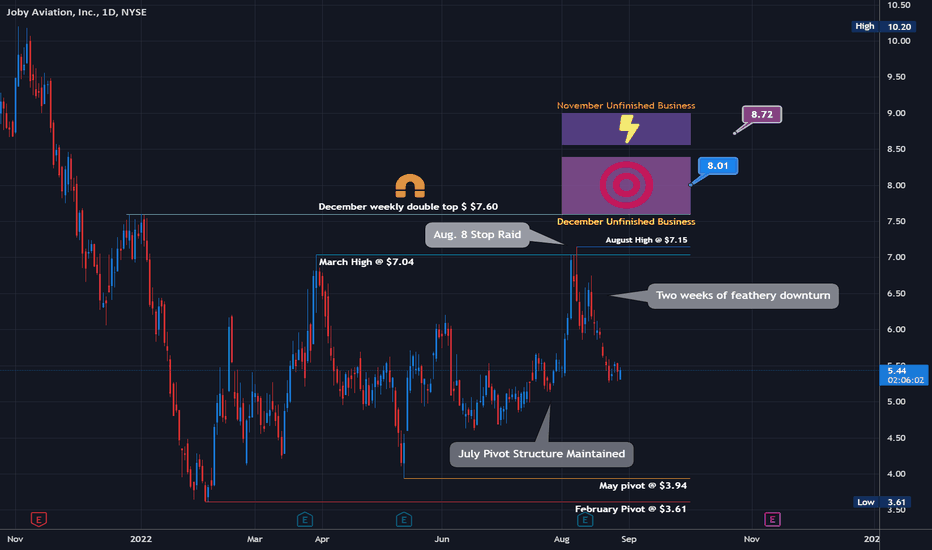
Stock Forecast Today: Navigating Market Volatility with Data-Driven Insights
The stock market, a dynamic and ever-changing landscape, presents both opportunities and risks for investors. Understanding the factors that influence stock prices and employing sound forecasting strategies are crucial for making informed investment decisions. This article delves into the complexities of stock forecast today, exploring various methodologies, examining key indicators, and providing insights into navigating market volatility.
Understanding Stock Forecasting
Stock forecast today is the process of predicting the future value of a company’s stock. This involves analyzing historical data, current market conditions, and various economic and financial indicators to estimate the likely direction and magnitude of price movements. Accurate stock forecast today can help investors make strategic decisions about buying, selling, or holding stocks.
Different Approaches to Stock Forecasting
Several approaches are used in stock forecast today, each with its own strengths and limitations. These include:
- Technical Analysis: This method focuses on analyzing historical price and volume data to identify patterns and trends. Technical analysts use charts and indicators to predict future price movements.
- Fundamental Analysis: This approach involves evaluating a company’s financial health, industry position, and overall economic outlook. Fundamental analysts examine financial statements, such as balance sheets, income statements, and cash flow statements, to determine a company’s intrinsic value.
- Quantitative Analysis: This method uses mathematical and statistical models to analyze large datasets and identify correlations between various factors and stock prices. Quantitative analysts often employ algorithms and machine learning techniques to generate stock forecast today.
- Sentiment Analysis: This approach gauges market sentiment by analyzing news articles, social media posts, and other sources of information. Sentiment analysts believe that investor emotions and perceptions can significantly impact stock prices.
Key Indicators for Stock Forecasting
Numerous indicators can influence stock forecast today. These include:
- Economic Indicators: GDP growth, inflation rates, interest rates, and unemployment rates can all affect stock prices. A strong economy typically supports higher stock prices, while economic downturns can lead to price declines.
- Financial Ratios: Price-to-earnings (P/E) ratio, price-to-book (P/B) ratio, and debt-to-equity ratio are commonly used to assess a company’s valuation and financial risk.
- Industry Trends: Understanding the dynamics of the industry in which a company operates is crucial for stock forecast today. Factors such as technological advancements, regulatory changes, and competitive landscape can impact a company’s performance.
- Company-Specific Factors: Earnings reports, new product launches, and management changes can all influence a company’s stock price.
The Role of Technology in Stock Forecasting
Technology has revolutionized stock forecast today. Sophisticated algorithms, machine learning models, and big data analytics have enabled analysts to process vast amounts of information and identify patterns that would be impossible to detect manually. These technologies can improve the accuracy and efficiency of stock forecast today.
Artificial Intelligence and Machine Learning
AI and machine learning are increasingly being used in stock forecast today. These technologies can analyze historical data, identify correlations, and predict future price movements with a high degree of accuracy. Machine learning algorithms can also adapt to changing market conditions and improve their performance over time.
Big Data Analytics
Big data analytics involves processing and analyzing large datasets to extract meaningful insights. In stock forecast today, big data analytics can be used to analyze news articles, social media posts, and other sources of information to gauge market sentiment and identify potential investment opportunities. [See also: Sentiment Analysis in Stock Trading]
Challenges in Stock Forecasting
Despite advancements in technology and analytical techniques, stock forecast today remains a challenging endeavor. The stock market is influenced by numerous factors, many of which are unpredictable. Some of the key challenges include:
- Market Volatility: Unexpected events, such as geopolitical crises or economic shocks, can cause significant market volatility and make it difficult to predict future price movements.
- Information Asymmetry: Not all investors have access to the same information. Insider information and other forms of information asymmetry can create an uneven playing field.
- Behavioral Biases: Investor emotions and biases can influence their investment decisions and lead to irrational behavior.
- Complexity: The stock market is a complex system with numerous interconnected factors. Understanding these interactions and their impact on stock prices can be challenging.
Strategies for Navigating Market Volatility
Given the inherent uncertainty of the stock market, it is essential to develop strategies for navigating market volatility. Some of the key strategies include:
- Diversification: Spreading investments across different asset classes, industries, and geographic regions can reduce risk.
- Long-Term Investing: Focusing on long-term investment goals and avoiding short-term speculation can help investors weather market fluctuations.
- Dollar-Cost Averaging: Investing a fixed amount of money at regular intervals can help reduce the impact of market volatility on investment returns.
- Stop-Loss Orders: Setting stop-loss orders can limit potential losses by automatically selling a stock when it reaches a certain price.
The Importance of Due Diligence
Before making any investment decisions based on stock forecast today, it is crucial to conduct thorough due diligence. This involves researching the company, understanding its financial performance, and evaluating its industry position. Investors should also consider their own risk tolerance and investment goals before making any decisions.
Researching Companies
Researching companies involves examining their financial statements, reading analyst reports, and staying up-to-date on industry news. Investors should also consider the company’s management team, competitive advantages, and growth prospects. [See also: How to Analyze a Company’s Financial Health]
Understanding Financial Performance
Understanding a company’s financial performance involves analyzing its revenue, earnings, cash flow, and debt levels. Investors should also consider the company’s profitability, efficiency, and solvency. Analyzing these metrics can help investors determine whether a company is undervalued or overvalued.
Ethical Considerations in Stock Forecasting
Ethical considerations are paramount in stock forecast today. Analysts and investors should avoid using insider information or engaging in any activities that could manipulate the market. Transparency and integrity are essential for maintaining trust and confidence in the financial markets.
Avoiding Insider Information
Using insider information for personal gain is illegal and unethical. Analysts and investors should only use publicly available information to make investment decisions. [See also: The Ethics of Insider Trading]
Maintaining Transparency
Transparency is crucial for maintaining trust and confidence in the financial markets. Analysts and investors should disclose any potential conflicts of interest and provide accurate and unbiased information.
Conclusion: Stock Forecast Today and Informed Investing
Stock forecast today is a complex and challenging process, but it can be a valuable tool for making informed investment decisions. By understanding the various methodologies, key indicators, and challenges involved, investors can improve their chances of success in the stock market. Remember that no stock forecast today is guaranteed to be accurate, and it is essential to conduct thorough due diligence and manage risk effectively. The dynamic nature of the market necessitates continuous learning and adaptation to new information. Ultimately, informed investment decisions, guided by careful analysis and a long-term perspective, are the key to navigating the complexities of the stock market and achieving financial goals. Always consider consulting with a financial advisor before making any investment decisions.
