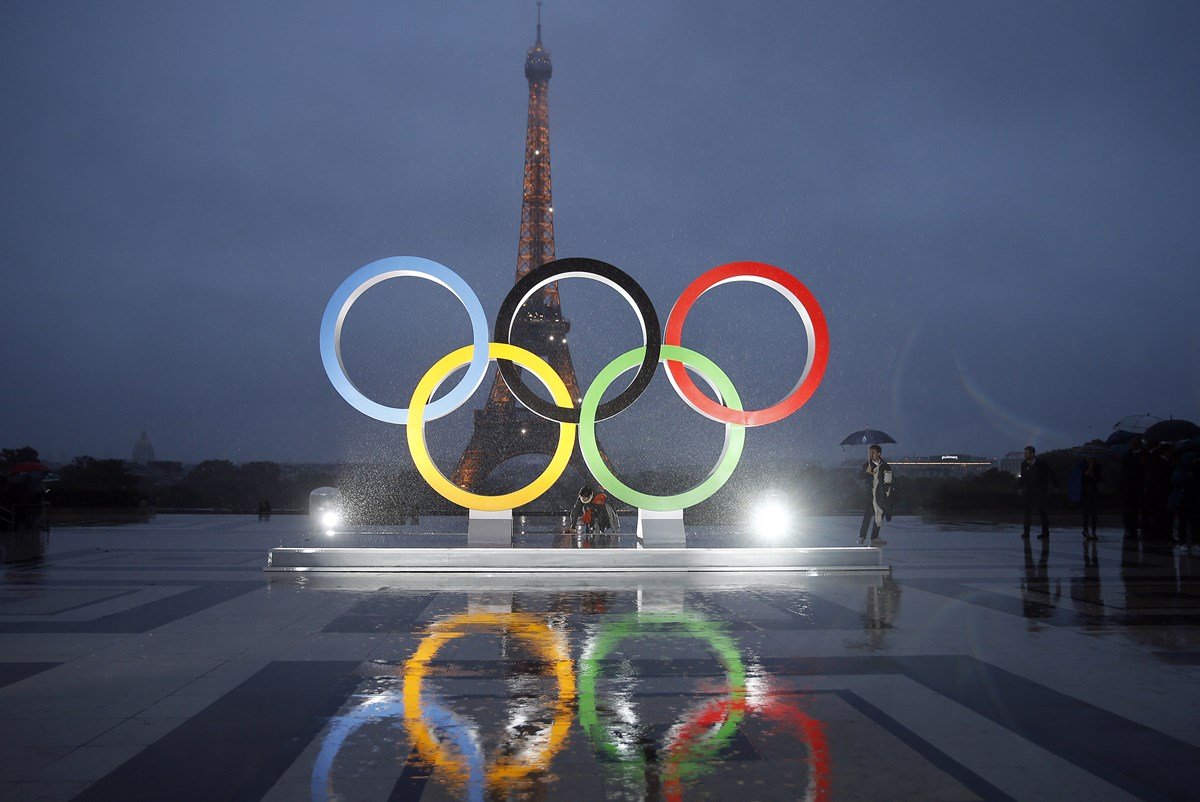
Summer Olympic Games: A Comprehensive Overview
The Summer Olympic Games, officially known as the Games of the Olympiad, represent the pinnacle of athletic competition on a global scale. Held every four years, these games bring together athletes from around the world to compete in a diverse range of sports. The Summer Olympic Games are not just a sporting event; they are a celebration of international unity, athletic excellence, and cultural exchange. This article provides a comprehensive overview of the Summer Olympic Games, exploring their history, significance, key moments, and future.
A Brief History of the Summer Olympics
The modern Olympic Games were inspired by the ancient Olympic Games, which were held in Olympia, Greece, from the 8th century BC to the 4th century AD. These ancient games were a religious and athletic festival held in honor of Zeus. The modern Summer Olympic Games were revived by Baron Pierre de Coubertin, a French educator and historian, who sought to promote international understanding and peace through athletic competition.
The first modern Olympic Games were held in Athens, Greece, in 1896. These games featured athletes from 14 nations competing in 43 events. The success of the Athens Olympics paved the way for future games, which have grown in size and scope over the years. The Summer Olympic Games have become a symbol of global unity and athletic achievement.
Key Moments and Milestones in Olympic History
Throughout their history, the Summer Olympic Games have been marked by numerous memorable moments and significant milestones. Here are a few notable examples:
- 1936 Berlin Olympics: These games were held under the shadow of Nazi Germany and were used as a propaganda tool by the regime. However, they also saw Jesse Owens, an African American athlete, win four gold medals, defying Hitler’s ideology of racial superiority.
- 1968 Mexico City Olympics: These games were notable for the Black Power salute by Tommie Smith and John Carlos during the medal ceremony, a powerful statement against racial discrimination.
- 1972 Munich Olympics: These games were marred by tragedy when a Palestinian terrorist group took Israeli athletes hostage, resulting in the deaths of 11 athletes and coaches.
- 1980 Moscow Olympics and 1984 Los Angeles Olympics: These games were affected by political boycotts. The United States and several other countries boycotted the Moscow Olympics in protest of the Soviet invasion of Afghanistan, while the Soviet Union and its allies boycotted the Los Angeles Olympics in retaliation.
- 2000 Sydney Olympics: Often regarded as one of the best-organized and most successful games, showcasing Australia’s sporting prowess and cultural vibrancy.
The Significance of the Summer Olympic Games
The Summer Olympic Games hold immense significance on multiple levels:
Promoting International Understanding and Peace
One of the primary goals of the Olympic movement is to promote international understanding and peace. The games bring together athletes from diverse backgrounds and cultures, fostering a sense of camaraderie and mutual respect. The Olympic spirit encourages peaceful competition and cooperation among nations.
Celebrating Athletic Excellence
The Summer Olympic Games provide a platform for athletes to showcase their talent and dedication. The games celebrate athletic excellence and inspire individuals to pursue their dreams. Olympic athletes serve as role models for aspiring athletes and promote the importance of physical fitness and a healthy lifestyle.
Boosting Host City Economies
Hosting the Summer Olympic Games can provide a significant boost to the host city’s economy. The games attract tourists, generate revenue, and create jobs. They also provide an opportunity for the host city to showcase its infrastructure, culture, and attractions to a global audience. However, it’s important to note that the economic impact can be complex and requires careful planning to ensure long-term benefits.
Cultural Exchange and Tourism
The Games encourage cultural exchange between the host nation and the rest of the world. Tourists flock to the host city, experiencing the local culture and contributing to the local economy. This exchange fosters a better understanding between different cultures and promotes global harmony. The Summer Olympic Games serve as a catalyst for tourism and economic growth.
Sports and Events in the Summer Olympics
The Summer Olympic Games feature a wide range of sports and events, catering to diverse interests and athletic abilities. The specific sports included in each edition of the games can vary, but some of the most popular and enduring sports include:
- Athletics (Track and Field): Running, jumping, throwing events.
- Swimming: Freestyle, backstroke, breaststroke, butterfly, and medley events.
- Gymnastics: Artistic and rhythmic gymnastics.
- Cycling: Road cycling, track cycling, mountain biking, and BMX.
- Football (Soccer): Men’s and women’s tournaments.
- Basketball: Men’s and women’s tournaments.
- Volleyball: Indoor and beach volleyball.
- Tennis: Singles and doubles events.
- Weightlifting: Various weight classes for men and women.
- Boxing: Various weight classes for men and women.
The International Olympic Committee (IOC) is responsible for determining the sports and events that will be included in each edition of the Summer Olympic Games. The IOC considers factors such as popularity, universality, and gender equality when making these decisions. Newer sports, such as skateboarding and surfing, have been added to recent Olympic programs to appeal to younger audiences and reflect evolving sporting trends.
The Future of the Summer Olympics
The Summer Olympic Games face numerous challenges in the 21st century, including rising costs, concerns about sustainability, and the need to adapt to changing demographics and sporting trends. The IOC is actively working to address these challenges and ensure the long-term viability of the games.
Sustainability and Environmental Concerns
Sustainability has become a major focus for the Summer Olympic Games. Host cities are increasingly expected to minimize their environmental impact and promote sustainable practices. This includes using renewable energy, reducing waste, and protecting biodiversity. [See also: Sustainable Olympic Games Initiatives] The IOC is committed to making the games more environmentally friendly.
Adapting to Changing Demographics and Sporting Trends
The Summer Olympic Games need to adapt to changing demographics and sporting trends to remain relevant and appealing to younger audiences. This includes incorporating new sports, embracing digital technologies, and engaging with fans through social media. The IOC is exploring new ways to attract and retain viewers.
Addressing Cost Concerns
The rising costs of hosting the Summer Olympic Games have become a major concern. Many cities are reluctant to bid for the games due to the financial burden. The IOC is working to reduce costs by encouraging the use of existing infrastructure, streamlining the bidding process, and promoting more sustainable and affordable hosting models. [See also: Economic Impact of Hosting the Olympics]
Conclusion
The Summer Olympic Games are a global celebration of athletic excellence, international unity, and cultural exchange. Throughout their history, the games have provided countless memorable moments and inspired generations of athletes and fans. While the games face numerous challenges in the 21st century, the IOC is committed to addressing these challenges and ensuring the long-term viability of the games. The Summer Olympic Games will continue to be a symbol of hope, inspiration, and the pursuit of excellence for years to come. The spirit of the Olympics remains strong, promoting peace and understanding through sport.
