The Best Books on Technical Analysis: A Trader’s Guide
Technical analysis is a cornerstone of successful trading, providing a framework for understanding market trends and making informed decisions. For both novice and experienced traders, delving into the literature is crucial. This article explores some of the best books on technical analysis, offering insights into their strengths and target audiences. We’ll cover essential reads that can help you master chart patterns, indicators, and trading strategies. Choosing the right resources can significantly enhance your ability to navigate the complexities of the financial markets and improve your trading performance. Mastering technical analysis requires a solid foundation built on reliable resources and practical application. This guide aims to provide just that.
Understanding Technical Analysis
Before diving into specific book recommendations, let’s briefly define what technical analysis entails. It’s a method of evaluating securities by analyzing statistics generated by market activity, such as past prices and volume. Unlike fundamental analysis, which examines a company’s financial statements, technical analysis focuses on identifying patterns and trends in price charts to predict future price movements. Key concepts include support and resistance levels, trendlines, chart patterns, and technical indicators.
Top Book Recommendations
Technical Analysis of Stock Trends by Robert D. Edwards and John Magee
Often regarded as the bible of technical analysis, this book provides a comprehensive overview of chart patterns and trend analysis. First published in 1948, its principles remain relevant today. Edwards and Magee meticulously explain various chart formations, such as head and shoulders, double tops and bottoms, and triangles, demonstrating how to identify and interpret them. The book emphasizes the importance of understanding market psychology and crowd behavior. While some of the examples might seem dated, the underlying concepts are timeless. This is one of the best books on technical analysis for serious traders.
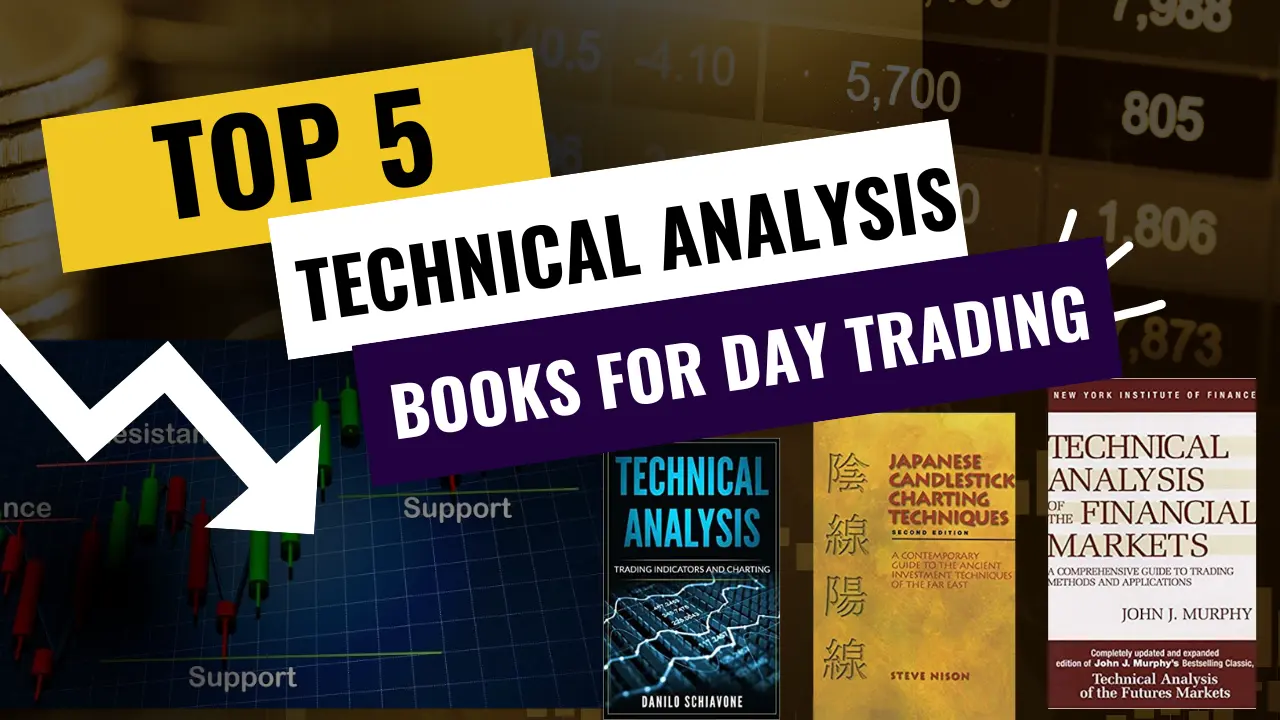
Japanese Candlestick Charting Techniques by Steve Nison
Steve Nison introduced Japanese candlestick charting to the Western world, and this book remains the definitive guide on the subject. Candlestick charts offer a visual representation of price movements, revealing information about opening, closing, high, and low prices for a given period. Nison expertly explains various candlestick patterns, such as doji, engulfing patterns, and harami, highlighting their predictive power. He also emphasizes the importance of combining candlestick analysis with other technical analysis tools. This book is essential for traders seeking to enhance their understanding of market sentiment and price action. It’s undoubtedly one of the best books on technical analysis focusing on candlestick patterns.
Trading in the Zone by Mark Douglas
While not strictly a technical analysis book, “Trading in the Zone” addresses the psychological aspects of trading, which are just as important as technical skills. Mark Douglas explores the mental barriers that prevent traders from achieving consistent profitability. He emphasizes the importance of developing a winning mindset, managing emotions, and accepting risk. The book provides practical strategies for overcoming fear, greed, and other psychological pitfalls. Understanding and mastering your own psychology is crucial for consistent success in the markets. It complements the knowledge gained from other technical analysis books perfectly.
How to Make Money in Stocks by William J. O’Neil
William J. O’Neil, the founder of Investor’s Business Daily, presents the CAN SLIM investment system in this book. CAN SLIM is a growth investing strategy that combines fundamental and technical analysis. O’Neil outlines seven key characteristics of winning stocks: Current quarterly earnings, Annual earnings growth, New products or services, Supply and demand, Leader or laggard, Institutional sponsorship, and Market direction. The book provides practical guidance on how to identify and select stocks with the potential for significant price appreciation. It’s a valuable resource for investors seeking a systematic approach to stock picking.
The Intelligent Investor by Benjamin Graham
Although primarily focused on value investing, “The Intelligent Investor” offers valuable insights into market behavior and investor psychology that are relevant to technical analysis. Benjamin Graham, Warren Buffett’s mentor, emphasizes the importance of long-term investing and avoiding speculative behavior. The book provides a framework for analyzing companies and determining their intrinsic value. Understanding the principles of value investing can help traders make more informed decisions and avoid being swayed by short-term market fluctuations. While not a direct technical analysis guide, its principles are foundational.
Encyclopedia of Chart Patterns by Thomas N. Bulkowski
This book is a comprehensive reference guide to chart patterns, covering over 60 different formations. Thomas Bulkowski provides detailed statistics on the performance of each pattern, including their success rates, average price targets, and optimal entry and exit points. The book is based on extensive research and real-world data, making it a valuable resource for traders seeking to identify and trade chart patterns effectively. It’s a go-to resource for quick reference and in-depth analysis of specific patterns. This is another contender for the best books on technical analysis.
Mastering the Trade by John F. Carter
John F. Carter shares his personal trading strategies and techniques in this practical guide. He covers a wide range of topics, including chart patterns, technical indicators, risk management, and trading psychology. The book provides specific examples of how to identify and trade various setups, offering actionable advice for both novice and experienced traders. Carter emphasizes the importance of developing a consistent trading plan and sticking to it. This is a useful resource for traders looking for practical strategies and insights.
Come Into My Trading Room by Alexander Elder
Alexander Elder’s book combines technical analysis with psychology and risk management. He introduces the concept of the Triple Screen trading system, which uses multiple timeframes to identify high-probability trading opportunities. Elder also emphasizes the importance of understanding market psychology and managing emotions. The book provides practical guidance on how to develop a trading plan, manage risk, and track performance. It is a holistic approach to trading that integrates technical skills with psychological awareness.
New Trading for a Living by Alexander Elder
A revised and updated version of his classic, this book offers a comprehensive guide to trading, covering technical analysis, risk management, and psychology. Elder provides practical advice on how to develop a trading plan, choose a broker, and manage risk effectively. He also emphasizes the importance of self-discipline and emotional control. The book is suitable for both novice and experienced traders, offering valuable insights for improving trading performance. It’s a solid foundation for anyone serious about trading.
Choosing the Right Book
Selecting the right technical analysis book depends on your individual needs and experience level. Beginners may benefit from starting with introductory texts that explain basic concepts and terminology. More experienced traders may prefer books that delve into advanced techniques and strategies. Consider your learning style and preferences when choosing a book. Some traders prefer visual learners, while others prefer more theoretical approaches. Reading reviews and consulting with other traders can also help you make an informed decision. Remember, the best books on technical analysis are the ones that resonate with you and help you improve your trading skills.
Applying What You Learn
Reading books on technical analysis is only the first step. To truly master the subject, you need to apply what you learn in practice. Start by paper trading, which allows you to test your strategies without risking real money. As you gain confidence and experience, you can gradually transition to live trading with small amounts of capital. Keep a trading journal to track your trades and analyze your performance. Identify your strengths and weaknesses and focus on improving your skills. Continuous learning and practice are essential for success in trading. [See also: Advanced Trading Strategies]
Conclusion
The best books on technical analysis provide a solid foundation for understanding market trends and making informed trading decisions. By studying the works of renowned experts and practicing the techniques they teach, you can significantly enhance your trading skills and improve your profitability. Remember to choose books that align with your individual needs and experience level, and always apply what you learn in practice. With dedication and perseverance, you can master technical analysis and achieve your trading goals. Mastering these techniques requires consistent effort and a commitment to continuous learning. The journey to becoming a successful trader starts with a solid education, and these books are an excellent place to begin.
