The Definitive Guide to Technical Analysis Books: Sharpen Your Trading Edge
Technical analysis is a cornerstone of successful trading and investing. Mastering it requires dedication, practice, and, crucially, the right resources. Among the most valuable of these resources are technical analysis books. These books provide a structured and in-depth understanding of chart patterns, indicators, and strategies, enabling traders to make informed decisions. Whether you’re a novice eager to learn the basics or an experienced trader seeking to refine your skills, the right technical analysis book can significantly enhance your trading prowess. This guide will explore some of the best technical analysis books available, highlighting their strengths and helping you choose the ones that best suit your needs.
Why Read Technical Analysis Books?
In today’s fast-paced market, having a solid foundation in technical analysis is more important than ever. While online resources and courses are plentiful, technical analysis books offer several unique advantages:
- Comprehensive Coverage: Technical analysis books typically provide a more thorough and organized explanation of concepts compared to scattered online articles.
- Expert Insights: Many technical analysis books are written by seasoned traders and analysts who share their real-world experiences and strategies.
- Structured Learning: Books offer a structured learning path, guiding you through the fundamentals to advanced techniques.
- Reference Material: A good technical analysis book serves as a valuable reference that you can revisit as needed.
Top Technical Analysis Books for Traders of All Levels
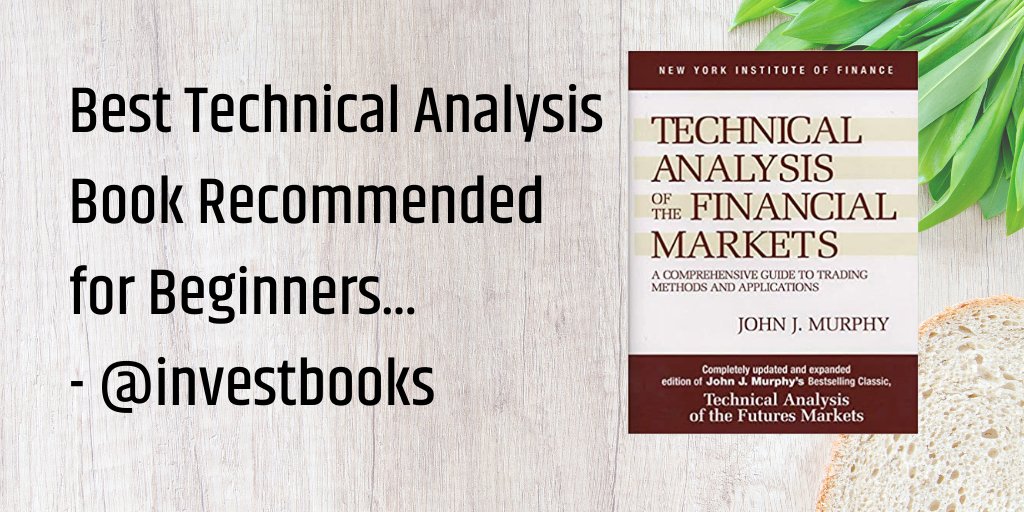
Technical Analysis of the Financial Markets by John J. Murphy
Considered a bible for many traders, John J. Murphy’s “Technical Analysis of the Financial Markets” is a comprehensive guide covering everything from basic chart patterns to complex indicators. It’s an excellent resource for both beginners and experienced traders looking to solidify their understanding of technical analysis. The book provides clear explanations and numerous examples, making it easy to grasp even the most challenging concepts. It’s a must-have for anyone serious about mastering technical analysis.
Murphy delves into market philosophy, charting, trend analysis, and various technical indicators. This technical analysis book explains how different indicators work, their strengths and weaknesses, and how to combine them effectively. He also covers intermarket analysis, which is crucial for understanding how different markets influence each other. [See also: Intermarket Analysis Strategies]
Trading in the Zone by Mark Douglas
While not strictly a technical analysis book, Mark Douglas’ “Trading in the Zone” is essential reading for any trader. It focuses on the psychological aspects of trading, which are often overlooked but critical to success. Douglas explores how fear, greed, and other emotions can impact trading decisions and provides strategies for developing a winning mindset. Understanding your psychology is just as important as understanding chart patterns, and this book will help you achieve that.
The book emphasizes the importance of probabilities and risk management. Douglas argues that successful trading isn’t about being right all the time but about managing risk and consistently executing your trading plan. This technical analysis book helps readers develop the mental discipline necessary for long-term success.
Japanese Candlestick Charting Techniques by Steve Nison
Steve Nison’s “Japanese Candlestick Charting Techniques” is the definitive guide to understanding and interpreting candlestick patterns. Candlestick charts offer a visual representation of price movements, providing valuable insights into market sentiment. Nison’s book covers a wide range of candlestick patterns, explaining how to identify them and use them to predict future price movements. This is an invaluable resource for any trader who uses candlestick charts in their analysis.
This technical analysis book goes beyond simply identifying patterns. Nison explains the psychology behind each pattern, helping traders understand why certain patterns are more reliable than others. He also provides practical advice on how to incorporate candlestick patterns into your overall trading strategy. [See also: Candlestick Pattern Recognition]
How to Make Money in Stocks by William J. O’Neil
William J. O’Neil’s “How to Make Money in Stocks” introduces the CAN SLIM investing system, a proven methodology for identifying growth stocks. While not solely focused on technical analysis, the book heavily incorporates technical indicators and chart patterns to identify promising investment opportunities. O’Neil’s approach is based on years of research and analysis, making it a valuable resource for both stock traders and long-term investors.
The CAN SLIM system combines fundamental and technical analysis to identify stocks with strong growth potential. O’Neil emphasizes the importance of buying stocks at the right time, using chart patterns and indicators to identify optimal entry points. This technical analysis book also stresses the importance of cutting losses quickly and letting profits run.
Encyclopedia of Chart Patterns by Thomas N. Bulkowski
Thomas N. Bulkowski’s “Encyclopedia of Chart Patterns” is an exhaustive reference guide to chart patterns. It provides detailed statistics on the performance of various chart patterns, allowing traders to assess their reliability. Bulkowski’s research is based on extensive analysis of historical data, making this book a valuable resource for anyone who uses chart patterns in their trading.
This technical analysis book covers a wide range of chart patterns, from classic patterns like head and shoulders to more obscure patterns. Bulkowski provides detailed statistics on the success rate of each pattern, as well as tips on how to trade them effectively. [See also: Common Chart Patterns for Day Trading]
Choosing the Right Technical Analysis Book for You
With so many technical analysis books available, choosing the right one can be a daunting task. Here are some factors to consider:
- Your Experience Level: Are you a beginner, intermediate, or advanced trader? Choose a book that matches your current knowledge level.
- Your Trading Style: Are you a day trader, swing trader, or long-term investor? Some books are better suited for specific trading styles.
- Your Interests: Are you interested in candlestick patterns, chart patterns, or technical indicators? Choose a book that focuses on your areas of interest.
- Reviews and Recommendations: Read reviews and seek recommendations from other traders to get a sense of which books are most highly regarded.
Beyond the Books: Practicing Technical Analysis
Reading technical analysis books is an excellent way to learn the theory, but it’s essential to put that knowledge into practice. Here are some tips for practicing technical analysis:
- Paper Trading: Practice trading in a simulated environment before risking real money.
- Chart Analysis: Regularly analyze charts and identify potential trading opportunities.
- Backtesting: Test your trading strategies on historical data to see how they would have performed.
- Mentorship: Seek guidance from experienced traders who can provide feedback and support.
The Importance of Continuous Learning
The market is constantly evolving, so it’s essential to stay up-to-date on the latest technical analysis techniques and strategies. Continue reading technical analysis books, attending seminars, and following reputable analysts to expand your knowledge and improve your trading skills. The best traders are lifelong learners who are always seeking new ways to gain an edge in the market. Remember that mastering technical analysis is a journey, not a destination. Consistent effort and a commitment to continuous learning are key to achieving long-term success.
Investing in quality technical analysis books is an investment in your future as a trader. By building a strong foundation in technical analysis and continuously honing your skills, you can significantly increase your chances of success in the financial markets. So, pick up a technical analysis book today and start your journey towards becoming a more informed and profitable trader. These technical analysis books will give you a great edge.
