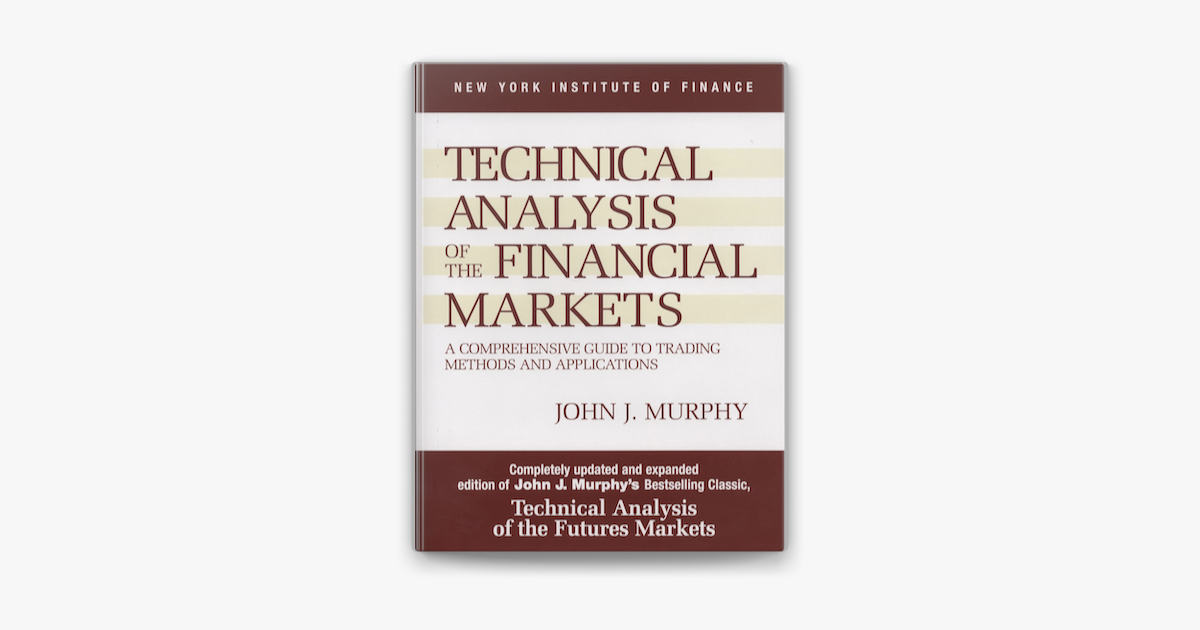
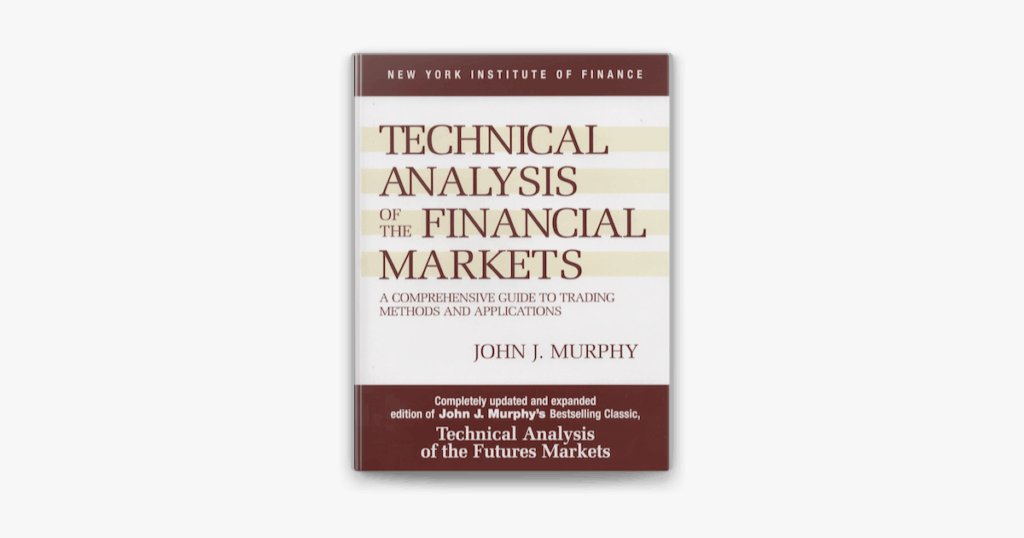
The Definitive Technical Analysis Textbook: Mastering Market Prediction
Technical analysis is a crucial skill for anyone looking to navigate the complex world of financial markets. A comprehensive technical analysis textbook provides the foundational knowledge and practical application necessary to understand market trends, predict future price movements, and make informed trading decisions. This article explores the essential elements of a good technical analysis textbook, what to look for, and why it’s a vital resource for both beginners and experienced traders.
Why You Need a Technical Analysis Textbook
In the realm of finance, understanding market behavior is paramount. While fundamental analysis focuses on a company’s intrinsic value, technical analysis delves into price charts and various indicators to forecast future price movements. A well-structured technical analysis textbook offers several advantages:
- Structured Learning: A textbook provides a systematic approach to learning technical analysis, starting from the basics and progressing to more advanced concepts.
- Comprehensive Coverage: It covers a wide range of topics, including chart patterns, indicators, oscillators, and trading strategies.
- Practical Examples: Good textbooks include real-world examples and case studies to illustrate how technical analysis can be applied in different market conditions.
- Reference Material: It serves as a valuable reference tool for traders and investors to revisit key concepts and techniques.
Key Components of a Comprehensive Technical Analysis Textbook
When selecting a technical analysis textbook, consider the following key components:
Introduction to Charting
Charting is the foundation of technical analysis. A good textbook should cover different types of charts, such as:
- Line Charts: The simplest type, showing the closing price over time.
- Bar Charts: Providing open, high, low, and close prices for each period.
- Candlestick Charts: Offering a visual representation of price movements, with different colors indicating bullish or bearish trends.
- Point and Figure Charts: Filtering out noise and focusing on significant price movements.
Understanding how to read and interpret these charts is crucial for identifying trends and potential trading opportunities.
Understanding Trends and Support/Resistance Levels
Identifying trends is a fundamental aspect of technical analysis. A technical analysis textbook should explain how to:
- Identify Uptrends: Characterized by higher highs and higher lows.
- Identify Downtrends: Characterized by lower highs and lower lows.
- Identify Sideways Trends: Where prices fluctuate within a range.
Support and resistance levels are price points where the market is likely to find buying or selling pressure. The textbook should explain how to identify these levels and use them to make informed trading decisions. [See also: Identifying Key Support and Resistance Levels]
Chart Patterns
Chart patterns are visual formations on price charts that suggest potential future price movements. A comprehensive technical analysis textbook will cover a variety of patterns, including:
- Head and Shoulders: A bearish reversal pattern.
- Inverse Head and Shoulders: A bullish reversal pattern.
- Double Tops and Bottoms: Indicating potential reversals.
- Triangles: Suggesting a period of consolidation before a breakout.
- Flags and Pennants: Short-term continuation patterns.
The textbook should explain how to identify these patterns, confirm their validity, and use them to generate trading signals.
Technical Indicators and Oscillators
Technical indicators are mathematical calculations based on price and volume data, designed to provide insights into market trends and momentum. Oscillators are a type of indicator that fluctuate between a high and low value, indicating overbought or oversold conditions. A technical analysis textbook should cover a range of indicators and oscillators, including:
- Moving Averages: Smoothing price data to identify trends.
- Relative Strength Index (RSI): Measuring the magnitude of recent price changes to evaluate overbought or oversold conditions.
- Moving Average Convergence Divergence (MACD): Identifying changes in the strength, direction, momentum, and duration of a trend in a stock’s price.
- Stochastic Oscillator: Comparing a security’s closing price to its price range over a given period.
- Volume Indicators: Analyzing trading volume to confirm price trends.
The textbook should explain how to calculate and interpret these indicators, as well as their limitations. [See also: Mastering Technical Indicators for Trading Success]
Trading Strategies and Risk Management
A technical analysis textbook should also cover various trading strategies based on technical analysis, such as:
- Trend Following: Identifying and trading in the direction of the prevailing trend.
- Breakout Trading: Entering trades when prices break through support or resistance levels.
- Reversal Trading: Identifying and trading against the prevailing trend.
- Range Trading: Trading within a defined price range.
Crucially, the textbook should emphasize the importance of risk management, including:
- Setting Stop-Loss Orders: Limiting potential losses on trades.
- Position Sizing: Determining the appropriate amount of capital to allocate to each trade.
- Diversification: Spreading investments across different assets to reduce risk.
Choosing the Right Technical Analysis Textbook
With numerous technical analysis textbooks available, selecting the right one can be challenging. Consider the following factors:
- Author’s Expertise: Look for authors with a proven track record in technical analysis and trading.
- Clarity and Simplicity: The textbook should explain complex concepts in a clear and easy-to-understand manner.
- Practical Examples: It should include real-world examples and case studies to illustrate how technical analysis can be applied in practice.
- Up-to-Date Content: Ensure the textbook covers the latest technical analysis techniques and tools.
- Reviews and Recommendations: Read reviews and seek recommendations from other traders and investors.
Benefits of Using a Technical Analysis Textbook
Investing in a good technical analysis textbook can provide numerous benefits:
- Improved Trading Skills: It can help you develop a deeper understanding of market behavior and improve your trading skills.
- Increased Profitability: By making more informed trading decisions, you can increase your profitability.
- Reduced Risk: Understanding risk management techniques can help you reduce your risk exposure.
- Confidence: A solid foundation in technical analysis can give you the confidence to navigate the financial markets.
Advanced Technical Analysis Concepts
Once you’ve mastered the basics, a technical analysis textbook can also introduce you to more advanced concepts, such as:
- Elliott Wave Theory: A method of analyzing market cycles and predicting future price movements based on wave patterns.
- Fibonacci Analysis: Using Fibonacci ratios to identify potential support and resistance levels.
- Market Profile: Analyzing price and volume data to identify areas of value and potential trading opportunities.
- Intermarket Analysis: Examining the relationships between different markets to gain insights into overall market trends.
The Importance of Continuous Learning
Technical analysis is a dynamic field, and it’s essential to stay up-to-date with the latest techniques and tools. A technical analysis textbook is a great starting point, but it should be complemented by other resources, such as:
- Online Courses: Offering interactive learning experiences and access to expert instructors.
- Trading Forums: Providing a platform to discuss trading strategies and share insights with other traders.
- Financial News Websites: Keeping you informed about market developments and economic events.
- Trading Software: Providing advanced charting and analysis tools.
Conclusion
A comprehensive technical analysis textbook is an indispensable resource for anyone looking to succeed in the financial markets. By providing a structured learning approach, covering a wide range of topics, and offering practical examples, it can help you develop the skills and knowledge necessary to make informed trading decisions. Whether you’re a beginner or an experienced trader, investing in a good technical analysis textbook is a valuable investment in your financial future. Remember to supplement your textbook learning with continuous education and practical experience to truly master the art of technical analysis.
