The Summer Olympic Games: A Global Celebration of Athletic Excellence
The Summer Olympic Games, officially known as the Games of the Olympiad, represent the pinnacle of international athletic competition. Held every four years, these games bring together athletes from around the globe to compete in a diverse range of sports, fostering a spirit of unity, sportsmanship, and cultural exchange. From the ancient origins to the modern spectacle, the Summer Olympic Games have evolved into a truly global event, captivating billions of viewers worldwide.
A Brief History of the Summer Olympics
The concept of the Olympic Games dates back to ancient Greece, where athletic competitions were held in Olympia as part of religious festivals. These ancient games were abolished in 393 AD by the Roman Emperor Theodosius I. It wasn’t until the late 19th century that the idea of reviving the Olympics gained momentum, thanks to the efforts of French educator Baron Pierre de Coubertin. Coubertin envisioned a modern Olympic Games that would promote international understanding and peace through athletic competition.
The first modern Summer Olympic Games were held in Athens, Greece, in 1896. This inaugural event featured 241 athletes from 14 nations competing in 43 events across nine sports. The success of the Athens Games paved the way for future editions, establishing the Summer Olympic Games as a cornerstone of the international sporting calendar.
Key Milestones and Evolutions
Over the years, the Summer Olympic Games have undergone significant changes and expansions. New sports have been added, existing sports have been modified, and the number of participating athletes and nations has steadily increased. Some key milestones include:
- The Introduction of the Winter Olympics: In 1924, the first Winter Olympic Games were held in Chamonix, France, catering to sports that could only be practiced on snow or ice. [See also: History of the Winter Olympics]
- The Paralympic Games: Since 1960, the Paralympic Games have been held in conjunction with the Summer Olympic Games, providing a platform for athletes with disabilities to compete at the highest level.
- The Youth Olympic Games: In 2010, the first Youth Olympic Games were held, offering young athletes aged 14 to 18 the opportunity to experience the Olympic spirit and compete on an international stage.
- Expansion of Sports: The program of the Summer Olympic Games has evolved to include a wider variety of sports, reflecting changing trends and global interests.
The Significance of the Olympic Rings
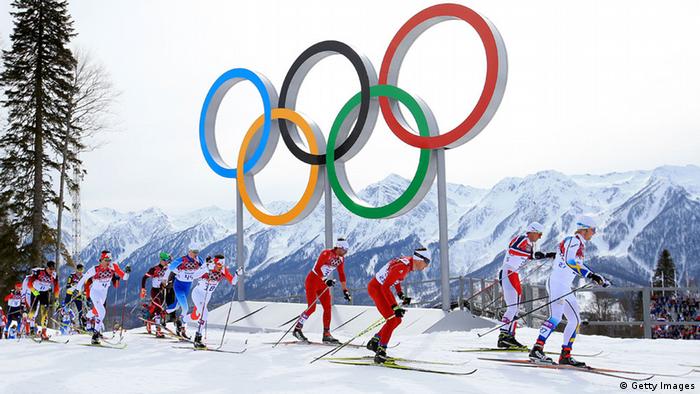
The five interlocking rings, a symbol synonymous with the Olympic Games, represent the union of the five inhabited continents of the world and the meeting of athletes from throughout the world at the Summer Olympic Games. The colors of the rings – blue, yellow, black, green, and red – were chosen because at least one of these colors appears on the flag of every nation participating in the Games.
The Selection of Host Cities
The selection of a host city for the Summer Olympic Games is a highly competitive process. Cities from around the world bid for the opportunity to host the Games, submitting detailed proposals outlining their infrastructure, venues, and plans for accommodating athletes, spectators, and media. The International Olympic Committee (IOC) evaluates these bids and selects the host city based on a variety of factors, including the city’s ability to provide a safe, sustainable, and memorable Olympic experience.
Notable Summer Olympic Games Editions
Throughout history, several editions of the Summer Olympic Games stand out as particularly memorable or significant:
- Berlin 1936: Held under the shadow of Nazi Germany, these Games were used as a propaganda tool by the regime. However, they also witnessed the remarkable achievements of African-American athlete Jesse Owens, who won four gold medals.
- London 1948: Known as the “Austerity Games,” these Games were held shortly after World War II and reflected the economic hardships of the time.
- Mexico City 1968: These Games were notable for the high altitude of Mexico City, which favored endurance athletes. They were also marked by political protests and social unrest.
- Barcelona 1992: Widely regarded as one of the most successful Summer Olympic Games, Barcelona showcased the city’s vibrant culture and architectural beauty.
- Beijing 2008: China’s first time hosting the Summer Olympic Games saw the country invest heavily in infrastructure and deliver a spectacular event.
- London 2012: The Summer Olympic Games returned to London for a third time, delivering a memorable celebration of sport and culture.
- Rio de Janeiro 2016: The first Summer Olympic Games to be held in South America, Rio 2016 presented unique challenges and opportunities.
- Tokyo 2020 (held in 2021): Postponed due to the COVID-19 pandemic, these Games were held under strict protocols and without spectators, but still showcased the resilience and spirit of the Olympic movement.
The Economic Impact of Hosting the Summer Olympics
Hosting the Summer Olympic Games can have a significant economic impact on the host city and country. The Games can generate revenue through tourism, ticket sales, sponsorship deals, and media rights. They can also stimulate economic growth by creating jobs, attracting investment, and improving infrastructure. However, hosting the Summer Olympic Games also involves significant costs, including the construction of venues, the provision of security, and the management of logistics. It is important for host cities to carefully weigh the potential benefits and costs before bidding for the Games.
The Future of the Summer Olympic Games
The Summer Olympic Games continue to evolve in response to changing social, economic, and technological trends. The IOC is constantly exploring new ways to make the Games more sustainable, accessible, and engaging for athletes, spectators, and viewers. Key challenges facing the Summer Olympic Games in the future include addressing concerns about doping, ensuring the safety and security of athletes, and adapting to the changing media landscape.
The Enduring Appeal of the Summer Olympics
Despite the challenges, the Summer Olympic Games remain a powerful symbol of international unity, athletic excellence, and human achievement. The Games provide a platform for athletes from all backgrounds to compete on a level playing field, inspiring millions around the world. The Summer Olympic Games are more than just a sporting event; they are a global celebration of the human spirit, fostering understanding and cooperation among nations.
The next edition of the Summer Olympic Games will be held in Paris in 2024, promising another unforgettable chapter in the history of this iconic event.
The spirit of the Summer Olympic Games is alive and well, continuing to inspire generations to strive for excellence and celebrate the power of sport.
From its ancient roots to its modern-day spectacle, the Summer Olympic Games remain a testament to the enduring power of human connection and the pursuit of greatness.
