The Three-Legged Stool of Retirement: A Balanced Approach to Financial Security
Planning for retirement can feel like navigating a complex maze. Among the various strategies and considerations, the “three-legged stool of retirement” stands out as a foundational concept. This model, while traditionally representing Social Security, employer-sponsored pensions, and personal savings, has evolved to reflect the changing landscape of retirement planning. Understanding and adapting this framework is crucial for securing a financially stable future. This article will delve into each leg of the three-legged stool of retirement, examining their strengths, weaknesses, and how to optimize them for your individual needs.
Understanding the Three-Legged Stool Model
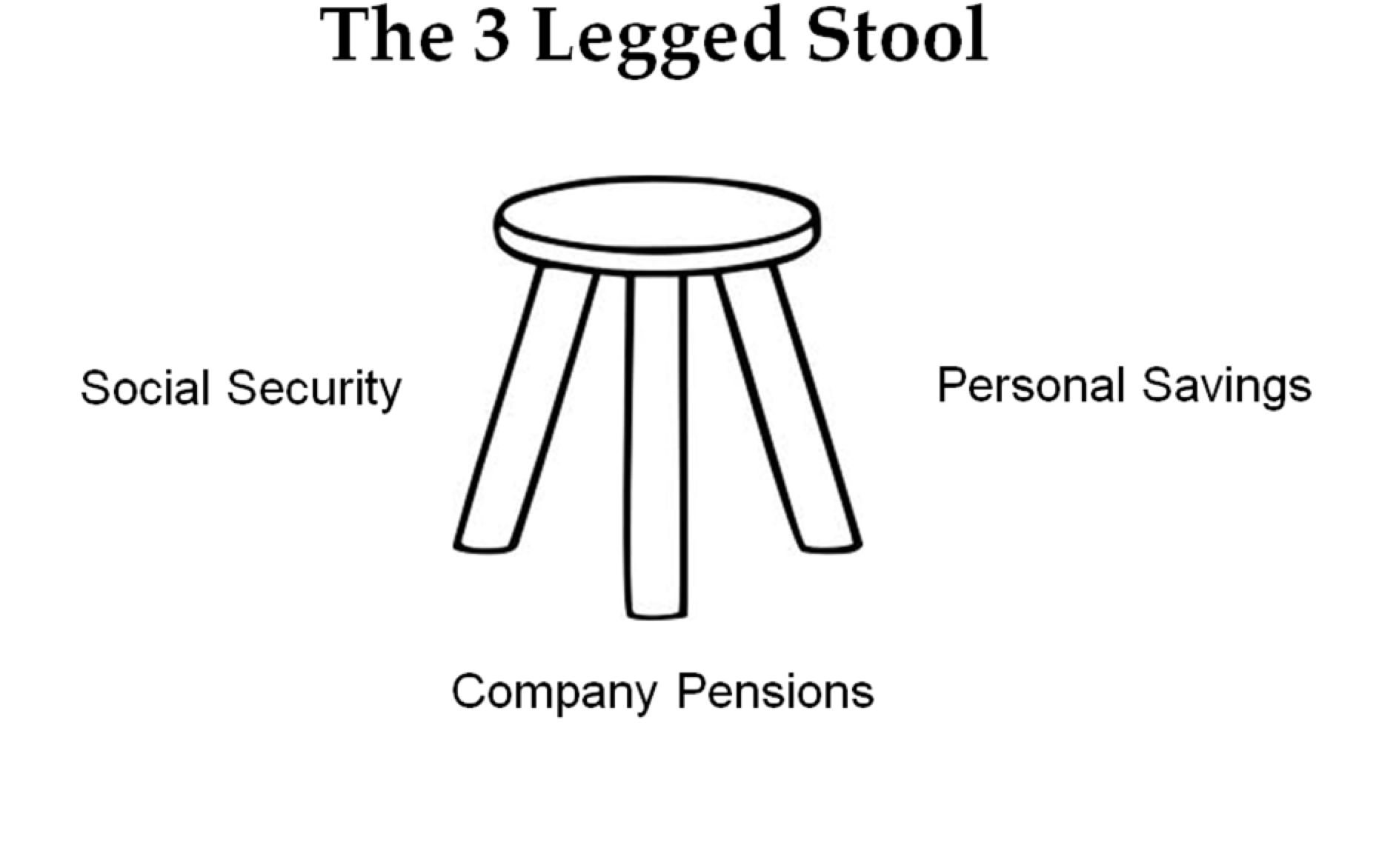
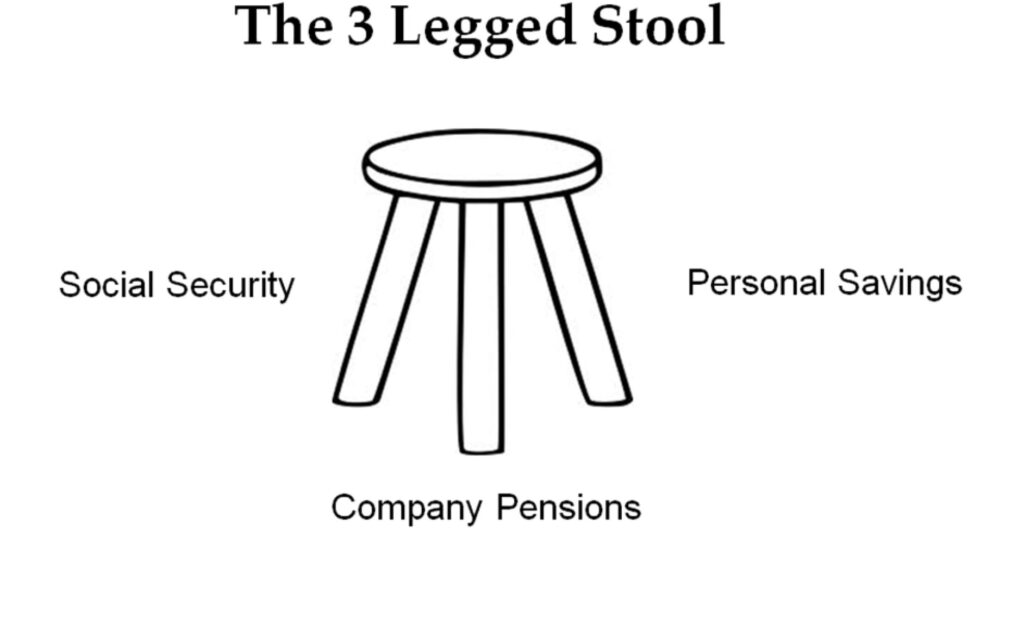
The three-legged stool of retirement is a metaphor illustrating the primary sources of income that retirees typically rely upon. The idea is that a balanced combination of these sources provides the most stable and secure retirement. If one leg is weak or missing, the stool (your retirement security) becomes unstable and vulnerable. Let’s examine each leg in detail:
Social Security: The First Leg
Social Security is a government-sponsored program designed to provide a safety net for retirees. It’s funded by payroll taxes, meaning that a percentage of your earnings throughout your working life contributes to the system. Upon retirement, eligible individuals receive monthly payments based on their earnings history. Social Security aims to replace a portion of pre-retirement income, but it’s generally not enough to cover all expenses.
Strengths:
- Provides a guaranteed income stream for life.
- Offers inflation protection through cost-of-living adjustments (COLAs).
- Provides benefits to survivors and dependents.
Weaknesses:
- Benefits are subject to taxation.
- The future of Social Security is uncertain due to demographic shifts and funding challenges.
- Benefit amounts may not be sufficient to cover all retirement expenses.
Maximizing Social Security Benefits:
- Delay claiming benefits: Waiting until age 70 to claim Social Security benefits can significantly increase your monthly payments.
- Understand your earnings history: Review your Social Security statement annually to ensure your earnings are accurately recorded.
- Coordinate with your spouse: Married couples have several options for maximizing their combined Social Security benefits.
Employer-Sponsored Retirement Plans: The Second Leg
Employer-sponsored retirement plans, such as 401(k)s and pensions, represent another crucial component of the three-legged stool of retirement. These plans allow employees to save for retirement through payroll deductions, often with employer matching contributions. Pensions, while less common than they once were, provide a guaranteed income stream upon retirement.
Strengths:
- Tax-deferred growth: Contributions and earnings grow tax-deferred until retirement.
- Employer matching: Many employers offer matching contributions, effectively providing free money for retirement savings.
- Automatic savings: Payroll deductions make saving for retirement convenient and consistent.
Weaknesses:
- Investment risk: The value of your investments can fluctuate with market conditions.
- Fees and expenses: Retirement plans often charge fees that can erode your returns.
- Withdrawal restrictions: Early withdrawals may be subject to penalties and taxes.
Optimizing Employer-Sponsored Retirement Plans:
- Contribute enough to receive the full employer match: This is essentially free money, so be sure to take advantage of it.
- Diversify your investments: Spread your investments across different asset classes to reduce risk.
- Rebalance your portfolio regularly: Adjust your asset allocation to maintain your desired risk level.
Personal Savings and Investments: The Third Leg
Personal savings and investments form the third leg of the three-legged stool of retirement. This leg encompasses a wide range of assets, including savings accounts, brokerage accounts, real estate, and other investments. Building this leg requires discipline and a proactive approach to financial planning.
Strengths:
- Flexibility: You have complete control over your savings and investment decisions.
- Potential for higher returns: Investments can potentially generate higher returns than savings accounts or other low-risk options.
- Tax advantages: Certain investment accounts, such as Roth IRAs, offer tax advantages.
Weaknesses:
- Investment risk: The value of your investments can fluctuate with market conditions.
- Requires discipline: Building personal savings requires consistent effort and financial discipline.
- Tax implications: Investment gains may be subject to taxes.
Strategies for Building Personal Savings:
- Create a budget: Track your income and expenses to identify areas where you can save more.
- Automate your savings: Set up automatic transfers from your checking account to your savings or investment accounts.
- Consider tax-advantaged accounts: Explore options such as Roth IRAs and traditional IRAs to maximize tax benefits.
The Evolving Landscape of Retirement
While the three-legged stool of retirement remains a valuable framework, it’s important to acknowledge that the landscape of retirement is constantly evolving. Factors such as longer life expectancies, rising healthcare costs, and changes in the job market require a more nuanced approach to retirement planning.
One key change is the decline of traditional pensions. Fewer employers offer pensions these days, shifting the responsibility for retirement savings to individuals. This means that the second leg of the stool, employer-sponsored retirement plans, is often less robust than it once was.
Another consideration is the increasing prevalence of part-time work and self-employment. These individuals may not have access to employer-sponsored retirement plans, making it even more critical to focus on personal savings and investments.
Beyond the Three Legs: Additional Sources of Retirement Income
In addition to the traditional three-legged stool of retirement, there are other potential sources of income that retirees can consider. These include:
- Part-time work: Working part-time in retirement can provide supplemental income and help maintain social connections.
- Rental income: Owning rental properties can generate a steady stream of income.
- Annuities: Annuities are contracts with insurance companies that provide a guaranteed income stream for a specified period or for life.
- Reverse mortgages: Reverse mortgages allow homeowners aged 62 and older to borrow against the equity in their homes.
- Inheritances: Inheritances can provide a significant boost to retirement savings.
Building a Strong Retirement Stool
The key to a secure retirement is to build a strong and balanced three-legged stool of retirement. This requires careful planning, disciplined saving, and a proactive approach to managing your finances. Here are some key steps to take:
- Assess your current financial situation: Evaluate your income, expenses, assets, and liabilities.
- Set retirement goals: Determine how much income you will need to maintain your desired lifestyle in retirement.
- Develop a savings plan: Create a budget and identify areas where you can save more.
- Invest wisely: Diversify your investments and rebalance your portfolio regularly.
- Monitor your progress: Track your savings and investments and make adjustments as needed.
- Seek professional advice: Consider consulting with a financial advisor to get personalized guidance.
The Importance of Financial Literacy
Financial literacy is essential for building a strong three-legged stool of retirement. Understanding basic financial concepts, such as budgeting, saving, investing, and debt management, will empower you to make informed decisions and take control of your financial future. Many resources are available to help you improve your financial literacy, including online courses, workshops, and financial advisors.
Conclusion: Securing Your Financial Future
The three-legged stool of retirement provides a valuable framework for planning your financial future. By understanding the strengths and weaknesses of each leg – Social Security, employer-sponsored retirement plans, and personal savings – you can create a balanced and secure retirement income stream. Remember to adapt the model to your individual circumstances and consider additional sources of income to supplement your core retirement savings. With careful planning and disciplined execution, you can build a strong three-legged stool that will support you throughout your retirement years. Consider this a starting point and remember to research the best path for your personal retirement goals. Planning for the future is a continuous process, and understanding the three-legged stool is a solid foundation.
[See also: Retirement Planning Strategies]
[See also: Social Security Benefits Guide]
[See also: Investing for Retirement]
