The Visionary at the Helm: Understanding the CEO of the Hudson River
The Hudson River, a vital artery for commerce, recreation, and environmental significance, doesn’t have a single, definitive “CEO” in the traditional corporate sense. Instead, numerous individuals and organizations share responsibility for its stewardship and management. Understanding the leadership landscape surrounding the Hudson River requires a nuanced approach, identifying key figures who wield influence over its future. This article delves into the various entities and individuals who act as de facto CEOs of the Hudson River, examining their roles, responsibilities, and impact on this crucial waterway.
Navigating the Complex Leadership Landscape
Unlike a corporation with a clearly defined CEO, the Hudson River is governed by a network of governmental agencies, non-profit organizations, and private stakeholders. This complex web of authority necessitates collaborative leadership, where individuals champion specific aspects of the river’s well-being. Identifying these key figures involves understanding their spheres of influence and their contributions to the river’s overall health.
Governmental Agencies and Their Leaders
Several governmental agencies play a pivotal role in managing the Hudson River. The New York State Department of Environmental Conservation (NYSDEC) is arguably the most influential. The Commissioner of the NYSDEC effectively acts as a CEO for environmental regulations and enforcement along the Hudson River. Their decisions directly impact water quality, habitat restoration, and pollution control. [See also: NYSDEC Environmental Regulations]. The U.S. Environmental Protection Agency (EPA) also exerts significant authority, particularly concerning Superfund sites and interstate water quality standards. The EPA Regional Administrator for Region 2, which includes New York, holds considerable power in shaping the Hudson River‘s environmental policies.
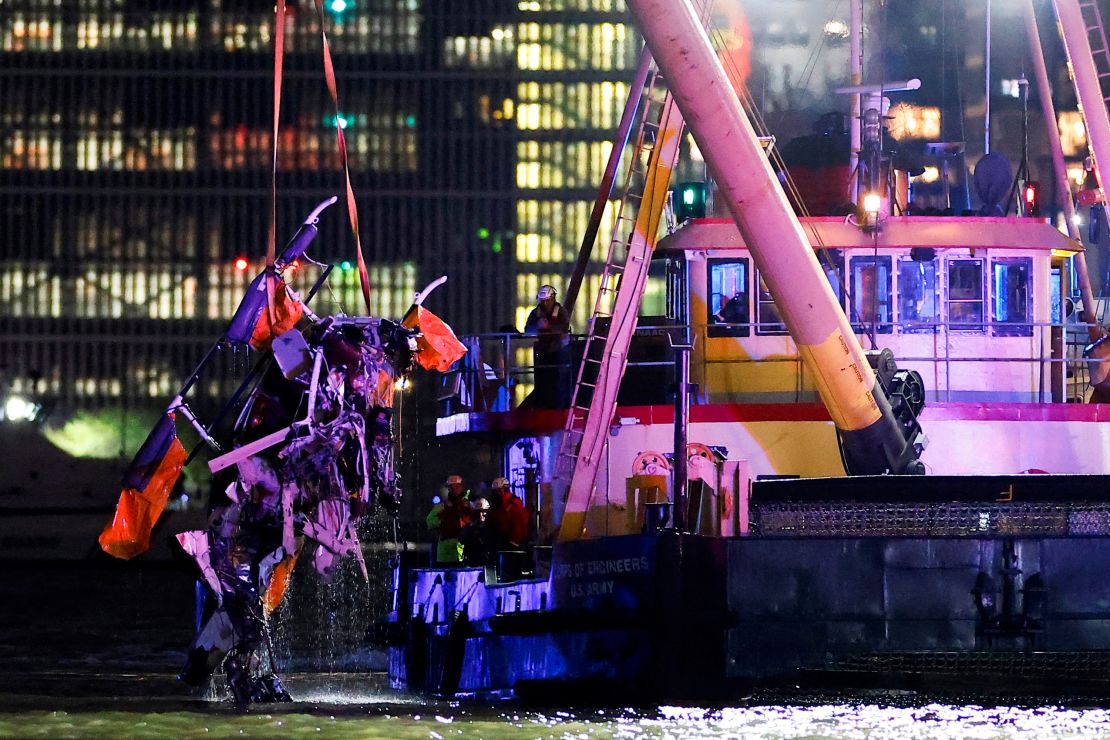
Beyond environmental protection, agencies like the Port Authority of New York and New Jersey impact the Hudson River through maritime commerce and infrastructure development. The Executive Director of the Port Authority effectively functions as a CEO regarding transportation and trade activities on the Hudson River. Their decisions influence shipping traffic, port operations, and the economic vitality of waterfront communities. The Army Corps of Engineers also plays a crucial role in maintaining navigable channels and managing flood control, with the Chief of Engineers influencing major projects along the river.
Non-Profit Organizations and Their Executive Directors
Numerous non-profit organizations dedicate their efforts to protecting and promoting the Hudson River. These organizations often have executive directors who act as CEOs, leading advocacy efforts, conducting research, and implementing conservation projects. Organizations like Riverkeeper, Scenic Hudson, and the Hudson River Foundation are instrumental in shaping public opinion, influencing policy decisions, and driving on-the-ground conservation efforts. The executive directors of these organizations serve as powerful voices for the Hudson River, advocating for its ecological integrity and sustainable use.
Riverkeeper, for instance, focuses on enforcing environmental laws and holding polluters accountable. Their Executive Director, often seen as a prominent CEO-like figure for the Hudson River‘s health, leads legal battles and public awareness campaigns to protect the river from pollution and harmful development. [See also: Riverkeeper’s Legal Battles]. Scenic Hudson works to preserve the scenic beauty and ecological integrity of the Hudson River Valley through land conservation and advocacy. Their President, functioning as a CEO, guides the organization’s efforts to protect critical habitats and scenic landscapes along the river. The Hudson River Foundation supports scientific research and education related to the Hudson River ecosystem. Their Executive Director oversees grant programs and research initiatives that contribute to a better understanding of the river’s complex ecology.
Private Sector Influence and Corporate Leadership
While not directly managing the Hudson River, private sector companies wield significant influence through their operations and environmental practices. Companies that rely on the Hudson River for transportation, energy production, or waste disposal have a responsibility to minimize their impact on the river’s health. Corporate CEOs of these companies make decisions that directly affect the Hudson River. Responsible corporate leadership includes investing in sustainable practices, reducing pollution, and supporting conservation efforts. Conversely, irresponsible corporate behavior can lead to environmental damage and harm the river’s ecosystem. The environmental compliance officers and sustainability directors within these companies also act as crucial decision-makers, influencing how their organizations interact with the Hudson River. [See also: Sustainable Business Practices on the Hudson].
The Importance of Collaborative Leadership
Given the diverse range of stakeholders involved in managing the Hudson River, collaborative leadership is essential for its long-term health and sustainability. Effective communication, coordination, and cooperation among governmental agencies, non-profit organizations, and private sector companies are crucial for addressing complex challenges such as pollution, habitat loss, and climate change. The individuals who can foster collaboration and build consensus among these diverse groups are the true leaders of the Hudson River. These individuals may not hold formal CEO titles, but their ability to bring people together and drive collective action makes them indispensable to the river’s future.
Challenges and Opportunities for the Future
The Hudson River faces numerous challenges, including legacy pollution, climate change impacts, and increasing development pressure. Addressing these challenges requires innovative solutions and strong leadership. Opportunities exist to enhance the Hudson River‘s resilience to climate change, restore degraded habitats, and promote sustainable economic development. Investing in green infrastructure, implementing stricter environmental regulations, and fostering public-private partnerships can help ensure the Hudson River‘s long-term health and vitality. The next generation of leaders will need to be equipped with the knowledge, skills, and commitment to tackle these challenges and capitalize on these opportunities. The future of the Hudson River depends on their ability to work together and champion the river’s well-being.
Identifying and Supporting Emerging Leaders
Identifying and supporting emerging leaders is crucial for ensuring the Hudson River‘s future stewardship. Mentorship programs, leadership training initiatives, and opportunities for young professionals to engage in environmental advocacy can help cultivate the next generation of Hudson River champions. Recognizing and celebrating the contributions of individuals who are making a difference in their communities can inspire others to get involved and contribute to the river’s well-being. By investing in leadership development, we can ensure that the Hudson River has a strong and dedicated cadre of advocates for years to come. The role of a CEO, even in this unconventional context, requires vision, dedication, and a commitment to the long-term health of the Hudson River.
Conclusion: A Shared Responsibility for the Hudson River’s Future
While no single individual holds the title of CEO of the Hudson River, numerous individuals and organizations share responsibility for its stewardship. Governmental agencies, non-profit organizations, and private sector companies all play a crucial role in shaping the river’s future. Collaborative leadership, effective communication, and a shared commitment to sustainability are essential for addressing the challenges facing the Hudson River. By supporting emerging leaders and fostering a culture of environmental stewardship, we can ensure that the Hudson River remains a vital resource for generations to come. The collective effort of these individuals, acting as de facto CEOs, will determine the future of this iconic waterway. The Hudson River‘s health is a shared responsibility, and its future depends on the vision and dedication of those who champion its well-being. Every decision made, from environmental regulations to corporate practices, impacts the Hudson River and its future. The combined influence of these decision-makers shapes the destiny of this vital waterway.
