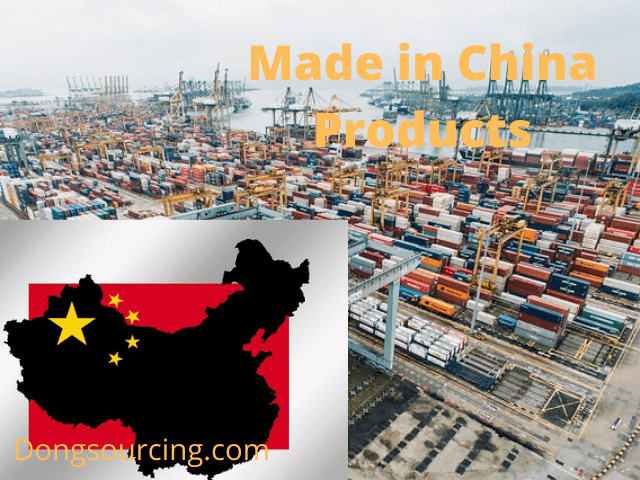
Things Produced in China: A Comprehensive Overview of the Manufacturing Powerhouse
China has solidified its position as the world’s manufacturing hub, producing a vast array of goods that permeate global markets. From everyday consumer products to sophisticated technology, the sheer volume and diversity of things produced in China are staggering. This article delves into the key sectors, explores the historical context, and examines the factors that have contributed to China’s dominance in global manufacturing. We will also consider the challenges and future trends facing this manufacturing powerhouse.
A Historical Perspective on Chinese Manufacturing
China’s journey to becoming the world’s factory is rooted in its rich history and economic reforms. Prior to the late 20th century, China’s economy was largely agrarian. However, the implementation of Deng Xiaoping’s “reform and opening up” policy in 1978 marked a turning point. This policy shift encouraged foreign investment, private enterprise, and export-oriented manufacturing. The establishment of Special Economic Zones (SEZs) further incentivized foreign companies to establish manufacturing facilities in China, leveraging its abundant labor force and lower production costs. This influx of foreign capital and technology facilitated the rapid growth of things produced in China, transforming the nation into a global manufacturing giant.
Key Sectors of Production
The range of things produced in China spans numerous sectors. Here are some of the most prominent:
- Electronics: China is the world’s leading producer of electronics, including smartphones, computers, televisions, and various electronic components. Major brands like Huawei, Xiaomi, and Lenovo have emerged as global competitors, driving innovation and shaping the electronics landscape.
- Textiles and Apparel: The textile and apparel industry remains a significant contributor to China’s manufacturing output. From basic clothing items to high-end fashion, China produces a vast quantity of textiles and apparel for both domestic and international markets. The industry benefits from a well-established supply chain and competitive labor costs.
- Machinery and Equipment: China is a major producer of machinery and equipment, including industrial machinery, construction equipment, and agricultural machinery. The country’s manufacturing capabilities in this sector have grown significantly in recent years, fueled by technological advancements and government support.
- Consumer Goods: China manufactures a wide range of consumer goods, including toys, furniture, household appliances, and sporting goods. These products are often exported to countries around the world, providing affordable options for consumers.
- Automobiles: China’s automotive industry has experienced rapid growth in recent decades. The country is now the world’s largest automobile market and a major producer of vehicles, including electric vehicles (EVs). Chinese automakers like BYD and Geely are increasingly competitive in the global market.
- Steel and Metals: China is the world’s largest producer of steel and other metals. This production supports various industries, including construction, manufacturing, and infrastructure development. The country’s steel industry plays a crucial role in global supply chains.
Factors Contributing to China’s Manufacturing Dominance
Several factors have contributed to China’s rise as a manufacturing powerhouse:
- Low Labor Costs: Historically, China’s abundant and relatively inexpensive labor force provided a significant cost advantage for manufacturers. While labor costs have been rising in recent years, they remain competitive compared to many developed countries.
- Government Support: The Chinese government has actively supported the manufacturing sector through various policies, including tax incentives, infrastructure development, and research and development funding. This support has fostered innovation and growth in key industries.
- Developed Infrastructure: China has invested heavily in infrastructure development, including ports, highways, and railways. This infrastructure facilitates the efficient movement of goods and supports the growth of manufacturing industries.
- Established Supply Chains: China has developed comprehensive supply chains that connect manufacturers with suppliers of raw materials, components, and other inputs. These established supply chains enable efficient production and reduce costs.
- Large Domestic Market: China’s large and growing domestic market provides a significant demand for manufactured goods. This domestic demand supports the growth of local industries and provides a buffer against fluctuations in international markets.
Challenges Facing Chinese Manufacturing
Despite its success, China’s manufacturing sector faces several challenges:
- Rising Labor Costs: As mentioned earlier, labor costs in China have been rising in recent years. This trend is eroding China’s cost advantage and forcing manufacturers to seek greater efficiency and automation.
- Environmental Concerns: China’s rapid industrialization has led to significant environmental challenges, including air and water pollution. The government is taking steps to address these issues, but environmental regulations are increasing costs for manufacturers.
- Trade Tensions: Trade tensions between China and other countries, particularly the United States, have created uncertainty for manufacturers. Tariffs and other trade barriers can disrupt supply chains and increase costs.
- Intellectual Property Protection: Concerns about intellectual property protection remain a challenge for foreign companies operating in China. Protecting intellectual property rights is crucial for fostering innovation and attracting foreign investment.
- Aging Population: China’s aging population is leading to a shrinking workforce, which could impact the manufacturing sector in the long term. Addressing this demographic challenge will require innovative solutions, such as increased automation and improved worker productivity.
Future Trends in Chinese Manufacturing
Several trends are shaping the future of manufacturing in China:
- Automation and Robotics: Chinese manufacturers are increasingly adopting automation and robotics to improve efficiency, reduce labor costs, and enhance product quality. This trend is driven by rising labor costs and the need to remain competitive in the global market.
- Advanced Manufacturing Technologies: China is investing heavily in advanced manufacturing technologies, such as 3D printing, artificial intelligence, and the Internet of Things (IoT). These technologies are transforming manufacturing processes and enabling the production of more complex and customized products.
- Green Manufacturing: The Chinese government is promoting green manufacturing practices to reduce environmental impact and improve sustainability. This includes adopting cleaner production technologies, reducing energy consumption, and promoting the use of renewable energy.
- Shifting to Higher Value-Added Production: China is moving away from low-cost, labor-intensive manufacturing towards higher value-added production. This involves focusing on innovation, research and development, and the production of more sophisticated products.
- Domestic Consumption Growth: As China’s economy continues to grow, domestic consumption is playing an increasingly important role. This trend is driving demand for higher-quality products and services, creating opportunities for Chinese manufacturers.
The Global Impact of Things Produced in China
The impact of things produced in China on the global economy is undeniable. Chinese manufacturing has lowered prices for consumers around the world, making a wide range of goods more affordable. It has also created jobs and stimulated economic growth in many countries. However, it has also led to concerns about job losses in developed countries and the environmental impact of manufacturing. Understanding the complexities of China’s role in global manufacturing is essential for policymakers, businesses, and consumers alike. The sheer volume of things produced in China makes it a key player in nearly every global supply chain.
Conclusion
China’s dominance in global manufacturing is a result of a combination of factors, including low labor costs, government support, developed infrastructure, and established supply chains. While the country faces challenges such as rising labor costs and environmental concerns, it is adapting by embracing automation, advanced manufacturing technologies, and green manufacturing practices. The future of manufacturing in China is likely to be characterized by higher value-added production, increased domestic consumption, and a greater focus on sustainability. The things produced in China will continue to shape the global economy for years to come. From electronics to textiles, machinery to consumer goods, China’s manufacturing prowess remains a significant force in the world.
[See also: China’s Economic Growth: Past, Present, and Future]
[See also: The Impact of Globalization on Manufacturing Industries]
[See also: Sustainable Manufacturing Practices in Developing Countries]
