Trading 212 Tips: Mastering the Platform for Investment Success
Trading 212 has emerged as a popular platform for both novice and experienced investors, offering commission-free trading across a wide range of assets. However, navigating its features and maximizing your investment potential requires a strategic approach. This article provides essential Trading 212 tips to help you master the platform and achieve your financial goals. We’ll cover everything from understanding the platform’s interface to implementing advanced trading strategies. By the end, you’ll be well-equipped to make informed decisions and optimize your Trading 212 experience.
Understanding the Trading 212 Interface
Familiarizing yourself with the Trading 212 platform is the first step towards successful trading. The platform offers two primary account types: Invest and CFD. The Invest account allows you to buy and hold stocks, ETFs, and other assets, while the CFD account enables you to trade contracts for difference, which involve leveraged positions and higher risk. Understanding the differences between these accounts is crucial.
Navigating the Dashboard
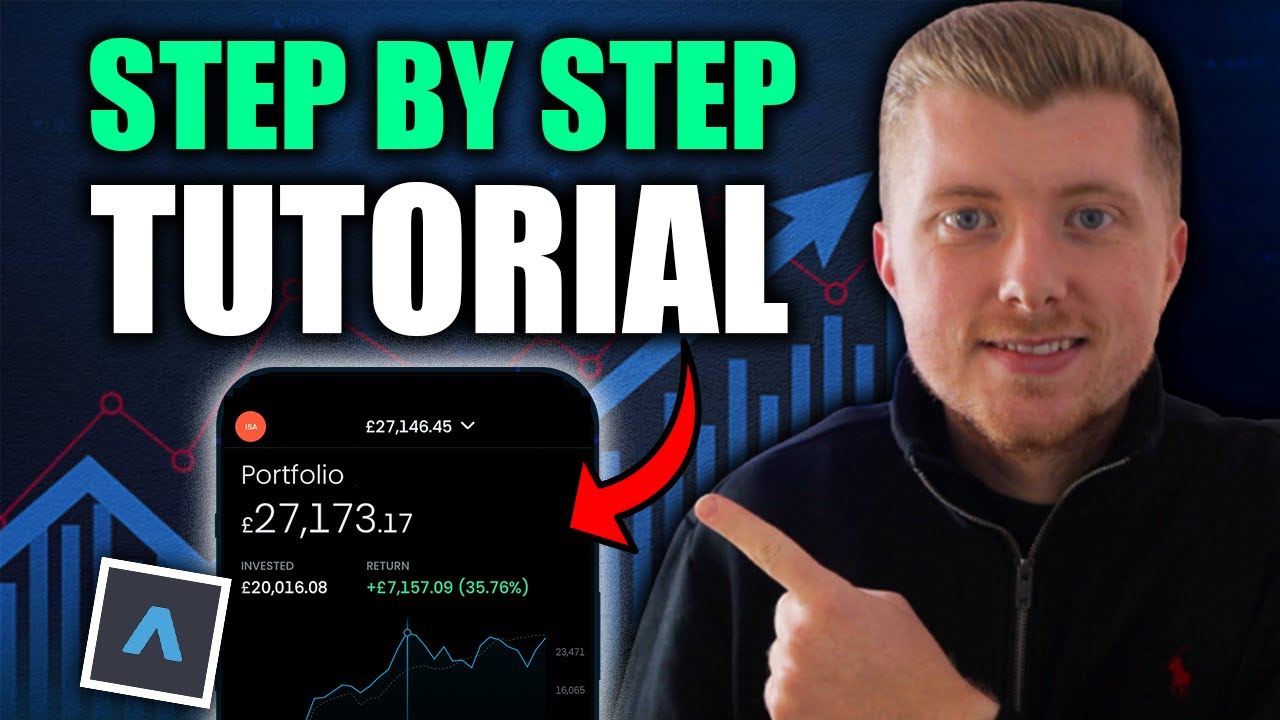
The Trading 212 dashboard provides a comprehensive overview of your portfolio, including your account balance, open positions, and order history. Take the time to explore each section and understand how it functions. Key areas include:
- Portfolio Overview: A snapshot of your investments’ performance.
- Watchlist: A customizable list to track assets of interest.
- Order History: A detailed record of your past trades.
- Funds: Section to manage deposits and withdrawals.
Utilizing the Search Function
The search function is your gateway to finding specific stocks, ETFs, or other instruments. Use it to quickly locate the assets you want to trade. Remember to verify the ticker symbol and relevant information before placing any orders. Effective use of the search bar is one of the foundational Trading 212 tips.
Essential Trading 212 Tips for Beginners
If you’re new to Trading 212, start with the basics. Investing without a solid foundation can lead to costly mistakes. Here are some essential Trading 212 tips for beginners:
Start with a Demo Account
Trading 212 offers a demo account with virtual funds. This is an invaluable tool for practicing trading strategies without risking real money. Experiment with different order types, explore various assets, and get comfortable with the platform’s interface. Treat the demo account seriously, as it simulates real market conditions.
Invest in What You Understand
Warren Buffett famously advises investing only in businesses you understand. This principle applies to all forms of trading. Before investing in a stock or ETF, research the company, its industry, and its financial performance. Avoid investing in assets simply because they are trending or hyped up. This is a crucial Trading 212 tip for long-term success.
Understand Order Types
Trading 212 offers various order types, including market orders, limit orders, and stop-loss orders. Understanding how each order type works is essential for managing risk and executing your trading strategies effectively. A market order executes immediately at the current market price, while a limit order executes only when the price reaches a specified level. Stop-loss orders are used to limit potential losses by automatically selling an asset when it reaches a certain price. Mastering order types is one of the key Trading 212 tips.
Practice Risk Management
Risk management is paramount in trading. Never invest more than you can afford to lose. Use stop-loss orders to limit potential losses and diversify your portfolio to reduce risk. Avoid using excessive leverage, especially when starting out. Leverage can amplify both gains and losses, making it a double-edged sword. Employing sound risk management practices is one of the most crucial Trading 212 tips.
Advanced Trading 212 Strategies
Once you’ve mastered the basics, you can explore more advanced trading strategies to enhance your returns. However, remember that advanced strategies often come with higher risks. Thorough research and careful consideration are essential.
Technical Analysis
Technical analysis involves studying price charts and using technical indicators to identify potential trading opportunities. Trading 212 provides a range of charting tools and technical indicators, such as moving averages, RSI, and MACD. Learning to interpret these indicators can help you make more informed trading decisions. However, technical analysis is not foolproof and should be used in conjunction with other forms of analysis.
Fundamental Analysis
Fundamental analysis involves evaluating a company’s financial statements and other qualitative factors to assess its intrinsic value. This includes analyzing revenue, earnings, debt, and management quality. By understanding a company’s fundamentals, you can identify undervalued or overvalued stocks. Trading 212 provides access to financial data and news articles to help you conduct fundamental analysis.
Swing Trading
Swing trading involves holding positions for a few days or weeks to profit from short-term price swings. This strategy requires monitoring price charts and identifying potential breakout or reversal patterns. Swing trading can be more active than long-term investing and requires more time and attention. Before employing this strategy, ensure you’re comfortable with the risks involved.
Day Trading
Day trading involves buying and selling assets within the same day, aiming to profit from small price fluctuations. This is a high-risk, high-reward strategy that requires significant time, skill, and discipline. Day traders often use leverage to amplify their gains, but this also increases their potential losses. Trading 212 offers the tools for day trading, but it’s crucial to understand the risks involved and have a well-defined trading plan. Only consider day trading if you have significant experience and a high-risk tolerance. [See also: Day Trading Strategies for Beginners]
Leveraging Trading 212’s Features
Trading 212 offers several features that can enhance your trading experience. Understanding and utilizing these features can give you a competitive edge.
AutoInvest
AutoInvest allows you to create a customized portfolio and automatically invest a fixed amount of money on a regular basis. This is a convenient way to dollar-cost average into your favorite stocks or ETFs. You can set your investment frequency, asset allocation, and risk tolerance. AutoInvest is a great option for long-term investors who want to automate their investment process.
Pie Charts
The pie charts feature provides a visual representation of your portfolio allocation. This helps you understand how your investments are distributed across different asset classes and sectors. You can use pie charts to identify areas where you may be over or under-diversified and adjust your portfolio accordingly.
News and Analysis
Trading 212 provides access to news articles and market analysis from reputable sources. Staying informed about market trends and economic events is crucial for making informed trading decisions. Use the news and analysis feature to stay up-to-date on the latest developments that could impact your investments.
Common Mistakes to Avoid on Trading 212
Even with the best strategies, mistakes can happen. Being aware of common pitfalls can help you avoid them.
Emotional Trading
Emotional trading is one of the biggest mistakes investors make. Fear and greed can cloud your judgment and lead to impulsive decisions. Stick to your trading plan and avoid making decisions based on emotions. If you find yourself feeling anxious or stressed, take a break from trading and reassess your strategy.
Chasing Hot Stocks
Chasing hot stocks or meme stocks is a risky strategy that often leads to losses. These stocks are typically driven by hype and social media sentiment, rather than fundamental value. By the time you hear about a hot stock, it’s often already overvalued. Avoid chasing these stocks and focus on investing in companies with solid fundamentals.
Ignoring Risk Management
Ignoring risk management is a recipe for disaster. Always use stop-loss orders to limit potential losses and diversify your portfolio to reduce risk. Avoid using excessive leverage and never invest more than you can afford to lose. Risk management is not optional; it’s an essential part of successful trading.
Conclusion: Mastering Trading 212 for Investment Success
Trading 212 offers a user-friendly platform for investing in a wide range of assets. By understanding the platform’s features, implementing sound trading strategies, and avoiding common mistakes, you can increase your chances of success. Remember to start with the basics, practice risk management, and stay informed about market trends. With discipline and patience, you can master Trading 212 and achieve your financial goals. These Trading 212 tips are designed to guide you on your investing journey.
