Understanding Economic Interdependence: A Global Perspective
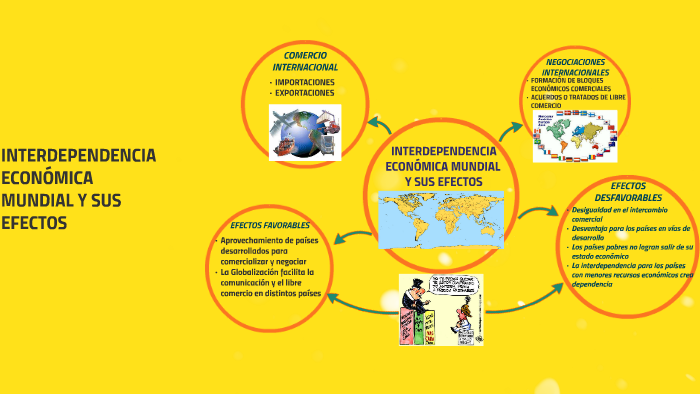
In today’s interconnected world, understanding economic interdependence is crucial for businesses, policymakers, and individuals alike. Economic interdependence refers to the complex web of reliance and interaction between different economies. This means that the economic performance of one country significantly impacts others, creating both opportunities and challenges. This article explores the intricacies of economic interdependence, its drivers, benefits, drawbacks, and implications for the global economy. We’ll delve into how trade, investment, and financial flows contribute to this interconnectedness and examine real-world examples to illustrate its impact. Furthermore, we’ll consider the role of international organizations and agreements in shaping economic interdependence.
The Drivers of Economic Interdependence
Several factors have fueled the rise of economic interdependence in recent decades:
- Globalization: The reduction of trade barriers, advancements in transportation and communication technologies, and the increasing mobility of capital and labor have all contributed to globalization, which is a key driver of economic interdependence.
- Technological Advancements: The internet and other digital technologies have facilitated cross-border communication, information sharing, and financial transactions, making it easier for businesses to operate globally and fostering greater economic interdependence.
- International Trade Agreements: Agreements like the World Trade Organization (WTO), the North American Free Trade Agreement (NAFTA) (now USMCA), and the European Union (EU) have reduced tariffs and other trade barriers, promoting greater trade and economic interdependence.
- Foreign Direct Investment (FDI): The increasing flow of FDI between countries allows companies to invest in foreign markets, expand their operations globally, and integrate their supply chains across borders, thereby deepening economic interdependence.
- Financial Flows: The movement of capital across borders, including investments in stocks, bonds, and other financial assets, has become increasingly common, creating stronger financial linkages and economic interdependence between countries.
Benefits of Economic Interdependence
Economic interdependence offers several potential benefits:
- Increased Efficiency and Productivity: Specialization and trade allow countries to focus on producing goods and services where they have a comparative advantage, leading to increased efficiency and productivity. This enhanced productivity benefits consumers with lower prices and a wider variety of goods.
- Economic Growth: Access to larger markets through international trade can stimulate economic growth by increasing demand for goods and services. Furthermore, FDI can bring new technologies, management practices, and capital to developing countries, boosting their economic development.
- Innovation and Technological Diffusion: Exposure to new ideas and technologies from other countries can foster innovation and technological diffusion, leading to improvements in productivity and living standards. Economic interdependence facilitates the exchange of knowledge and best practices across borders.
- Lower Prices for Consumers: Competition from foreign producers can drive down prices for consumers, increasing their purchasing power and improving their overall welfare. Trade promotes efficiency and reduces costs, ultimately benefiting consumers.
- Greater Variety of Goods and Services: International trade allows consumers to access a wider variety of goods and services than would be available in a closed economy. This increased choice enhances consumer satisfaction and contributes to a higher quality of life.
Drawbacks and Challenges of Economic Interdependence
While economic interdependence offers numerous benefits, it also presents several challenges:
- Increased Vulnerability to Economic Shocks: When economies are closely linked, a recession or financial crisis in one country can quickly spread to others. The global financial crisis of 2008 demonstrated the interconnectedness of financial markets and the speed at which economic shocks can propagate across borders.
- Job Displacement: Increased competition from foreign producers can lead to job losses in domestic industries that are unable to compete effectively. This can result in unemployment and social unrest, particularly in sectors that are heavily reliant on domestic demand.
- Income Inequality: While economic interdependence can boost overall economic growth, the benefits may not be evenly distributed. Some groups, such as skilled workers and owners of capital, may benefit disproportionately, while others, such as unskilled workers, may experience wage stagnation or decline.
- Environmental Degradation: Increased production and consumption associated with international trade can lead to environmental degradation, such as pollution, deforestation, and climate change. The transportation of goods across long distances also contributes to carbon emissions.
- Loss of National Sovereignty: Participation in international trade agreements and organizations can require countries to cede some degree of national sovereignty. This can be controversial, as some argue that it undermines democratic control and national interests.
Examples of Economic Interdependence
Several real-world examples illustrate the impact of economic interdependence:
- The Global Financial Crisis of 2008: The crisis originated in the United States but quickly spread to other countries through interconnected financial markets. The collapse of Lehman Brothers triggered a global credit crunch and led to a sharp decline in economic activity worldwide.
- The European Debt Crisis: The crisis began in Greece but spread to other Eurozone countries, such as Ireland, Portugal, and Spain. The crisis highlighted the challenges of managing a common currency area with diverse economies and fiscal policies.
- Supply Chain Disruptions: Events such as the COVID-19 pandemic and the Suez Canal blockage demonstrated the vulnerability of global supply chains to disruptions. These events highlighted the interconnectedness of production processes and the potential for disruptions in one region to have global consequences.
- The US-China Trade War: The trade war between the United States and China, involving tariffs and other trade restrictions, has had a significant impact on global trade and investment flows. It has also highlighted the potential for trade disputes to disrupt economic interdependence and create uncertainty for businesses.
The Role of International Organizations
International organizations play a crucial role in managing and shaping economic interdependence:
- World Trade Organization (WTO): The WTO sets the rules for international trade and provides a forum for resolving trade disputes. It aims to promote free and fair trade and reduce trade barriers.
- International Monetary Fund (IMF): The IMF provides financial assistance to countries facing balance of payments problems and promotes international monetary cooperation. It also monitors the global economy and provides policy advice to member countries.
- World Bank: The World Bank provides loans and grants to developing countries to support economic development and poverty reduction. It also provides technical assistance and policy advice.
- G20: The G20 is a forum for international cooperation on economic and financial issues. It brings together the world’s major economies to discuss policy challenges and coordinate responses.
Conclusion
Economic interdependence is a defining feature of the modern global economy. It offers significant benefits, such as increased efficiency, economic growth, and innovation. However, it also presents challenges, such as increased vulnerability to economic shocks, job displacement, and income inequality. Understanding the drivers, benefits, and drawbacks of economic interdependence is essential for policymakers, businesses, and individuals to navigate the complexities of the global economy effectively. International cooperation and sound economic policies are crucial for maximizing the benefits of economic interdependence while mitigating its risks. The future of the global economy will depend on how well we manage the challenges and opportunities presented by this interconnectedness. Further research and analysis are needed to fully understand the long-term implications of economic interdependence and to develop effective strategies for promoting sustainable and inclusive growth. [See also: Global Trade and Development] [See also: The Impact of Globalization on Local Economies]
