Understanding Liquidity Preference Theory: A Comprehensive Guide
In the realm of economics, understanding the factors that influence interest rates is crucial for policymakers, investors, and anyone interested in the financial markets. One of the cornerstone theories explaining interest rate determination is the liquidity preference theory. This theory, popularized by John Maynard Keynes, posits that the interest rate is determined by the supply and demand for money. Let’s delve into the intricacies of this theory and explore its implications in today’s economic landscape.
What is Liquidity Preference Theory?
The liquidity preference theory suggests that individuals and businesses prefer to hold their wealth in the most liquid form – money. This preference arises from three primary motives: the transaction motive, the precautionary motive, and the speculative motive. These motives drive the demand for money, which, in conjunction with the money supply, determines the equilibrium interest rate. Central to the liquidity preference theory is the idea that interest rates are the price of money, just like any other commodity. When the demand for money increases, the interest rate rises, and vice versa.
The Transaction Motive
The transaction motive stems from the need to hold money to facilitate everyday transactions. Individuals and businesses need money to pay for goods, services, wages, and other expenses. The demand for money for transaction purposes is directly related to the level of income and the frequency of transactions. As income increases, so does the demand for money to conduct transactions. This is a fundamental aspect of the liquidity preference theory.
The Precautionary Motive
The precautionary motive arises from the desire to hold money as a buffer against unforeseen circumstances. Individuals and businesses want to have cash on hand to deal with unexpected expenses, emergencies, or investment opportunities. The demand for money for precautionary purposes is influenced by the level of uncertainty and risk aversion. During periods of economic uncertainty, the demand for precautionary balances tends to increase. This behavior is a key component of the liquidity preference theory.
The Speculative Motive
The speculative motive is perhaps the most nuanced aspect of the liquidity preference theory. It relates to the desire to hold money in anticipation of future changes in interest rates or asset prices. Investors may choose to hold money if they believe that interest rates are likely to rise or that asset prices are likely to fall. In such cases, they would prefer to hold cash and wait for a more favorable investment opportunity. The speculative demand for money is inversely related to the current interest rate. Higher interest rates make holding money less attractive, as investors forgo the opportunity to earn a return on their investment. Conversely, lower interest rates make holding money more attractive, as the opportunity cost is lower. This speculative aspect significantly impacts the overall demand for money as described in the liquidity preference theory. [See also: Understanding Interest Rate Dynamics]
The Supply of Money
While the liquidity preference theory focuses on the demand for money, the supply of money is equally important in determining the equilibrium interest rate. The money supply is typically controlled by the central bank, which can influence the amount of money in circulation through various monetary policy tools, such as open market operations, reserve requirements, and the discount rate. The interaction between the supply and demand for money determines the equilibrium interest rate. When the money supply increases, the interest rate tends to fall, and when the money supply decreases, the interest rate tends to rise. This dynamic is central to understanding how monetary policy affects interest rates according to the liquidity preference theory.
Equilibrium Interest Rate
The equilibrium interest rate is the rate at which the quantity of money demanded equals the quantity of money supplied. This is the point where the money market is in balance, and there is no pressure for interest rates to change. According to the liquidity preference theory, shifts in either the supply or demand for money will lead to changes in the equilibrium interest rate. For example, an increase in income would increase the transaction demand for money, shifting the demand curve to the right and causing the equilibrium interest rate to rise. Similarly, a decrease in the money supply would shift the supply curve to the left, also causing the equilibrium interest rate to rise.
Implications of Liquidity Preference Theory
The liquidity preference theory has several important implications for economic policy and financial markets. First, it highlights the importance of monetary policy in influencing interest rates and economic activity. By controlling the money supply, central banks can influence the cost of borrowing and investment, thereby affecting aggregate demand and economic growth. Second, the theory emphasizes the role of expectations in shaping interest rate movements. If investors expect interest rates to rise in the future, they may increase their demand for money today, putting upward pressure on current interest rates. Third, the theory provides a framework for understanding the relationship between interest rates, inflation, and economic growth. High interest rates can help to curb inflation, but they can also slow down economic growth by making borrowing more expensive. [See also: Inflation and Interest Rate Correlation]
Criticisms of Liquidity Preference Theory
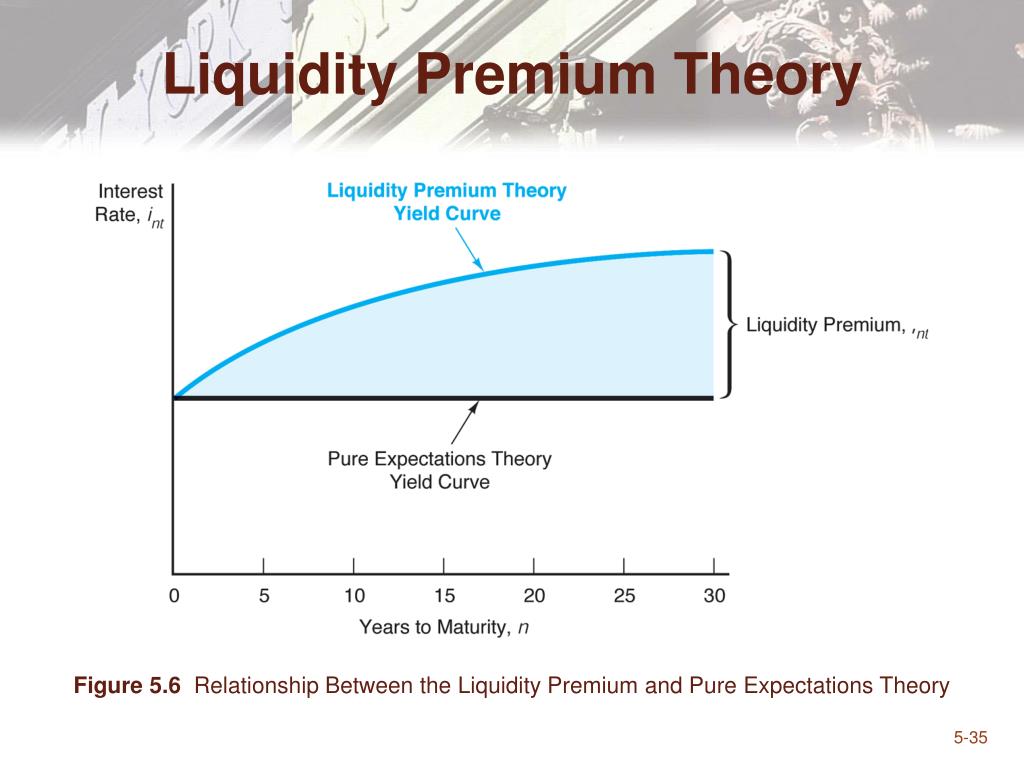
While the liquidity preference theory is a valuable tool for understanding interest rate determination, it is not without its critics. One common criticism is that the theory oversimplifies the complex interactions in the financial markets. It assumes that the money market is the sole determinant of interest rates, while in reality, other factors, such as credit risk, inflation expectations, and global capital flows, also play a significant role. Another criticism is that the theory does not adequately explain the term structure of interest rates, which refers to the relationship between interest rates on bonds with different maturities. Despite these criticisms, the liquidity preference theory remains a fundamental concept in monetary economics and continues to be used by economists and policymakers around the world.
Liquidity Preference Theory in Modern Economics
In modern economics, the liquidity preference theory has been refined and integrated into more sophisticated models of the economy. While the basic principles of the theory remain relevant, economists have developed more complex models that take into account a wider range of factors that influence interest rates. These models often incorporate elements of rational expectations, information asymmetry, and behavioral economics to provide a more realistic picture of how financial markets operate. Despite these advancements, the core insights of the liquidity preference theory continue to inform our understanding of interest rate determination and monetary policy. The liquidity preference theory helps explain why individuals and institutions hold cash reserves. Its emphasis on expectations and the speculative motive for holding money remains particularly relevant in today’s volatile financial markets.
Real-World Examples of Liquidity Preference
Consider a scenario where a major geopolitical event creates significant uncertainty in the global economy. Investors, fearing potential losses, may increase their demand for liquid assets like cash. This increased demand for money, driven by the precautionary and speculative motives, can lead to a rise in interest rates. Central banks might then intervene by increasing the money supply to stabilize interest rates and prevent a credit crunch. This is a practical demonstration of the liquidity preference theory in action. Another example can be seen during periods of economic recession. As businesses and consumers become more risk-averse, they tend to hoard cash, leading to a decrease in the velocity of money and potentially deflationary pressures. Central banks may respond by lowering interest rates to incentivize borrowing and spending, again illustrating the principles of the liquidity preference theory. These examples showcase the ongoing relevance of the liquidity preference theory in understanding and managing economic fluctuations.
Conclusion
The liquidity preference theory provides a valuable framework for understanding the factors that influence interest rates. By recognizing the importance of the transaction, precautionary, and speculative motives for holding money, we can gain insights into how changes in the money supply, income, and expectations affect the cost of borrowing and investment. While the theory has its limitations, it remains a fundamental concept in monetary economics and continues to inform our understanding of financial markets and economic policy. Understanding the liquidity preference theory is crucial for anyone seeking to navigate the complexities of the modern financial system. The theory’s emphasis on the psychological factors driving money demand makes it a vital tool for analyzing market behavior and predicting future interest rate movements. As such, the liquidity preference theory remains a cornerstone of economic analysis.
