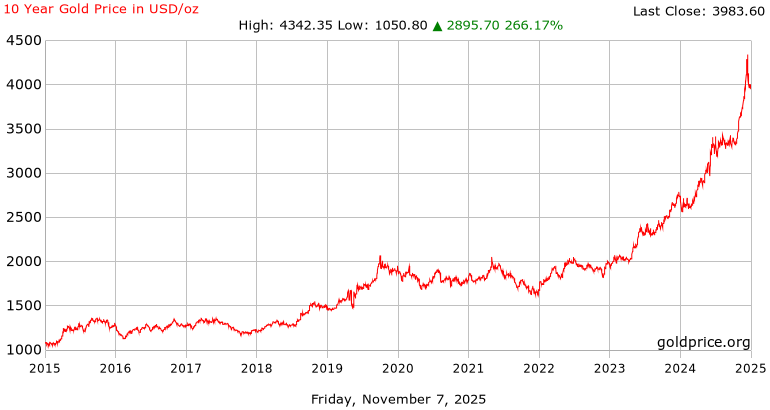
Understanding Spot Gold Price: A Comprehensive Guide
The spot gold price is a key benchmark for valuing gold globally. It represents the current market price for immediate delivery of one troy ounce of gold. Unlike futures contracts, which specify a future delivery date, the spot gold price reflects the price for gold that can be bought or sold ‘on the spot’. Understanding the dynamics that influence the spot gold price is crucial for investors, traders, and anyone interested in the precious metals market. This article provides a comprehensive overview of the spot gold price, its determinants, and its significance in the global economy.
What is Spot Gold?
Spot gold refers to gold that is available for immediate delivery. The price of spot gold is determined by supply and demand in the over-the-counter (OTC) market, where transactions occur directly between buyers and sellers. This market operates 24 hours a day, five days a week, making the spot gold price highly responsive to global events and economic news.
Unlike gold futures, which are contracts to buy or sell gold at a predetermined price and date in the future, spot gold transactions involve immediate settlement. This makes the spot gold price a real-time indicator of the current market value of gold. The spot gold price is typically quoted in U.S. dollars per troy ounce.
Factors Influencing the Spot Gold Price
Several factors can influence the spot gold price, making it a dynamic and often volatile market. Understanding these factors is essential for anyone looking to invest in or trade gold.
Supply and Demand
The fundamental principle of supply and demand plays a significant role in determining the spot gold price. When demand for gold increases and supply remains constant or decreases, the price tends to rise. Conversely, when supply increases and demand remains constant or decreases, the price tends to fall.
Demand for gold comes from various sources, including jewelry fabrication, industrial uses, investment demand (such as gold ETFs and bullion), and central bank purchases. Supply of gold comes from mining production, recycling of gold scrap, and central bank sales.
Economic Indicators
Economic indicators such as inflation, interest rates, and GDP growth can significantly impact the spot gold price. Gold is often seen as a hedge against inflation, meaning that investors tend to buy gold when inflation is high or expected to rise. This increased demand can push the spot gold price higher.
Interest rates also play a crucial role. Higher interest rates tend to make interest-bearing assets more attractive, reducing the appeal of gold, which does not offer a yield. Conversely, lower interest rates can boost the spot gold price by making gold more attractive relative to other investments.
GDP growth can also influence the spot gold price. Strong economic growth often leads to increased demand for jewelry and industrial uses of gold, which can support the price. However, strong growth can also lead to higher interest rates, which could offset the positive impact on gold demand.
Geopolitical Events
Geopolitical events, such as wars, political instability, and trade disputes, can create uncertainty and risk in the global economy. In times of uncertainty, investors often seek safe-haven assets, and gold is a traditional safe haven. Increased demand for gold during geopolitical crises can drive the spot gold price higher.
Currency Movements
The spot gold price is typically quoted in U.S. dollars, so movements in the value of the dollar can affect the price of gold. A weaker dollar tends to make gold more attractive to investors holding other currencies, as it becomes cheaper to buy gold. This increased demand can push the spot gold price higher. Conversely, a stronger dollar can make gold less attractive to investors holding other currencies, potentially leading to a decrease in the spot gold price.
Market Sentiment
Market sentiment, or the overall attitude of investors towards gold, can also influence the spot gold price. Positive sentiment can lead to increased buying pressure, driving the price higher, while negative sentiment can lead to increased selling pressure, driving the price lower. Market sentiment can be influenced by news headlines, analyst reports, and social media trends.
How to Track the Spot Gold Price
Tracking the spot gold price is relatively easy, as it is widely available from various sources. Here are some common ways to monitor the spot gold price:
- Financial Websites: Many financial websites, such as Bloomberg, Reuters, and Yahoo Finance, provide real-time spot gold price quotes.
- Brokerage Platforms: If you have a brokerage account, you can typically track the spot gold price through your broker’s trading platform.
- Gold Dealers: Many gold dealers provide live spot gold price updates on their websites.
- Mobile Apps: Numerous mobile apps are available that provide real-time spot gold price data.
Investing in Spot Gold
There are several ways to invest in spot gold, each with its own advantages and disadvantages.
Physical Gold
Investing in physical gold involves buying gold bullion (bars or coins) and storing it securely. This can be a good option for investors who want to own gold directly and have physical control over their investment. However, it also involves storage costs and the risk of theft.
Gold ETFs
Gold ETFs (exchange-traded funds) are investment funds that hold physical gold and track the spot gold price. They offer a convenient way to invest in gold without the need to store physical bullion. Gold ETFs are traded on stock exchanges, making them easy to buy and sell.
Gold Futures
Gold futures are contracts to buy or sell gold at a predetermined price and date in the future. They are traded on commodity exchanges and can be used to speculate on the spot gold price or to hedge against price fluctuations. However, futures trading involves leverage and can be risky for inexperienced investors.
Gold Mining Stocks
Investing in gold mining stocks involves buying shares of companies that mine gold. The performance of these stocks is often correlated with the spot gold price, but they are also subject to company-specific risks, such as operational issues and regulatory changes.
The Significance of Spot Gold Price
The spot gold price serves as a crucial benchmark for the global gold market. It influences the pricing of various gold-related products, including jewelry, industrial components, and investment vehicles. Understanding the spot gold price and the factors that drive it is essential for anyone participating in the gold market.
Furthermore, the spot gold price is often used as an indicator of economic health and investor sentiment. It can provide insights into inflation expectations, currency movements, and geopolitical risks. As such, monitoring the spot gold price is valuable not only for investors but also for economists, policymakers, and anyone interested in the global economy. The spot gold price is a key economic indicator. [See also: Gold Market Analysis]
Conclusion
The spot gold price is a dynamic and important indicator of the value of gold in the global market. It is influenced by a complex interplay of factors, including supply and demand, economic indicators, geopolitical events, currency movements, and market sentiment. By understanding these factors and tracking the spot gold price, investors and other stakeholders can make more informed decisions about investing in or trading gold. Whether you’re a seasoned investor or new to the world of precious metals, keeping an eye on the spot gold price is crucial for navigating the complexities of the market. The spot gold price offers valuable insights into global economic trends and investor behavior.
